United Kingdom

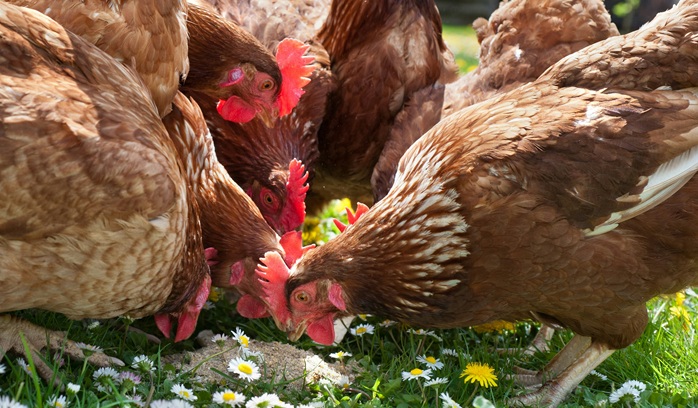
Hens outside

England outlaws hen cages and pig crates in historic animal welfare reform

This landmark legislation will phase out restrictive confinement systems, ensuring millions of animals can express natural behaviors and live free from extreme restraint. The move, supported by a phased transition plan and funding for farmers, aligns English agriculture with strong public demand for ethical food. It cements England’s position as a global leader in high-welfare, sustainable farming standards.

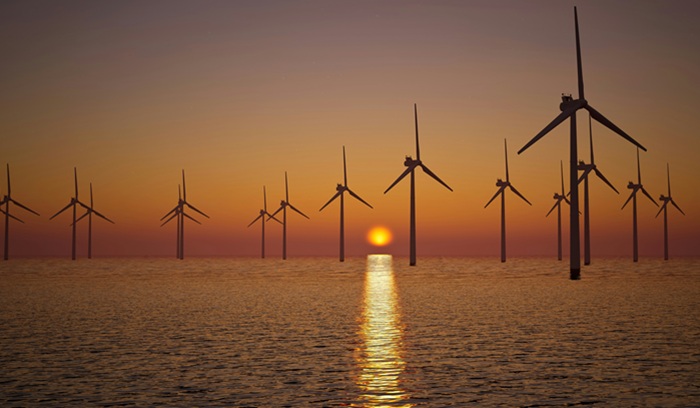
Offshore oil rigs at sunset

Britain becomes world’s largest economy to end new oil and gas exploration

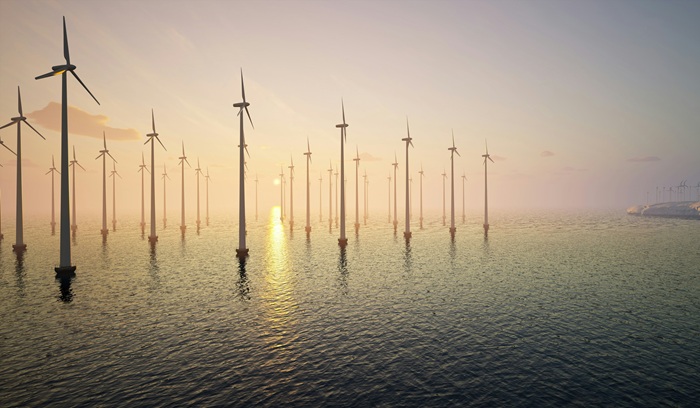
In a historic move for global climate action, the United Kingdom has officially banned all new oil and gas exploration licenses in the North Sea. This decision makes the UK the world’s largest economy to end the search for new fossil fuels. The government’s “North Sea Future Plan” prioritizes a transition to clean energy, investing heavily in offshore wind and workforce training. This bold policy aligns national strategy with climate science, setting a powerful precedent for other nations to follow.

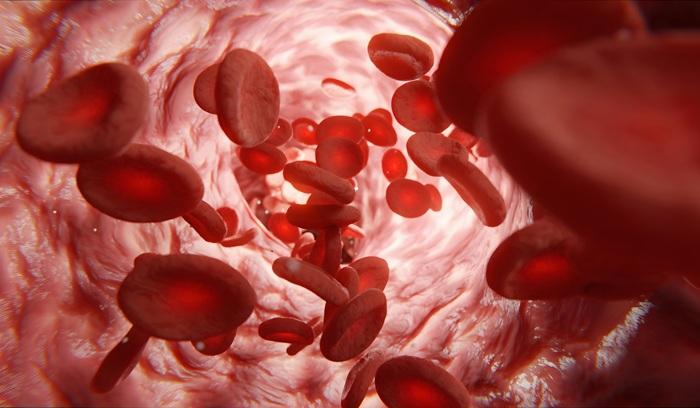
Illustration of blood cells

New treatment reverses incurable blood cancer in some patients

A revolutionary gene-editing therapy has successfully cleared “incurable” leukemia in children during a world-first clinical trial. Developed by scientists at Great Ormond Street Hospital and University College London, the treatment uses base-edited T-cells from healthy donors to hunt down and destroy cancer cells. This “off-the-shelf” therapy has already achieved remission in patients who had exhausted all other options.

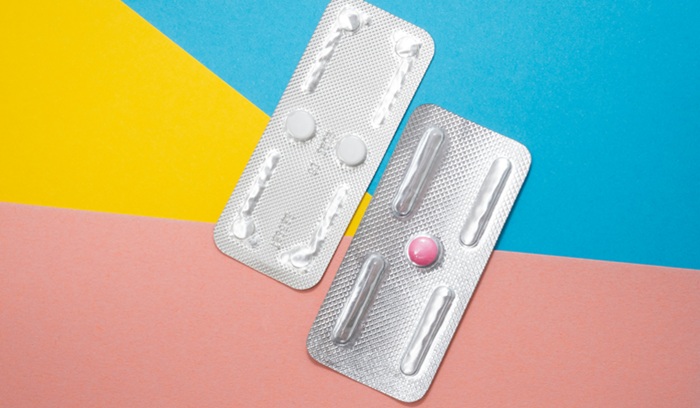
Pill

U.K.’s National Health Service makes morning-after pill available for free in pharmacies across England

England has achieved a major victory for public health by making the morning-after pill free across community pharmacies. This expansion eliminates the significant financial barrier that previously cost patients up to £30. Public health experts predict this policy will lead to a crucial decline in unintended pregnancies. By ensuring immediate and widespread access, the National Health Service (NHS) is actively promoting reproductive autonomy and health equity.

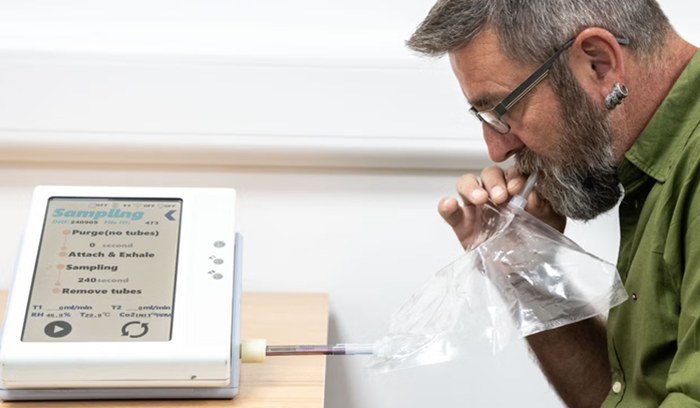
Pancreatic cancer breath test

New pancreatic cancer breath test hailed as major breakthrough

A breakthrough in early cancer detection is offering crucial hope against pancreatic cancer. The NHS has launched a national validation trial involving over 6,000 patients to test a simple breathalyzer device. Developed by researchers at Imperial College London, this non-invasive test identifies unique chemical signatures of the disease. This pioneering diagnostic tool promises to increase the percentage of patients eligible for potentially life-saving surgery.

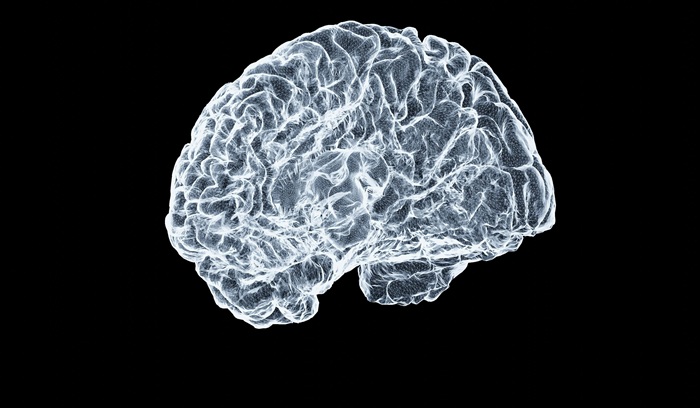
Black and white illustration of human brain

U.K. scientists successfully treat Huntington’s disease for first time ever

A breakthrough gene therapy is offering unprecedented hope for families battling Huntington’s disease (HD), a fatal neurodegenerative disorder. Trial results show the one-time therapy successfully slowed disease progression by 75% in patients. This major victory, developed by scientists at University College London, is the first treatment to truly modify the disease’s course. It transforms a devastating, inherited diagnosis into a manageable condition, accelerating research for other neurological disorders like Alzheimer’s.

Palestinian flags

Britain, Australia, and Canada formally recognize a Palestinian state

In a landmark move, the United Kingdom, Canada, and Australia have formally recognized Palestine as an independent state.
This diplomatic action, hailed as a major step toward a two-state solution, is a powerful affirmation of the Palestinian people’s right to self-determination. The coordinated effort signals a growing international consensus that a stable and lasting peace requires a sovereign Palestinian state existing alongside Israel.
While this move is largely symbolic and does nothing to mitigate the suffering happening in Gaza every day, it is perhaps still a moment of hope, demonstrating that diplomacy and international law can be key tools in resolving long-standing conflicts and moving toward justice.

Hens

Over 1,400 companies worldwide have implemented cage-free egg production pledges

45% of US hens, 62% of European hens, and 82% of British hens are now cage-free — up from about 13%, 44%, and 50% respectively a decade ago. Fully 150 million fewer American, European, and British hens are now caged than a decade ago, even as egg demand has risen in all three markets. Most companies with cage-free pledges — over 1,400, including McDonald’s, Starbucks, Amazon, and Costco — have already implemented them.

Illustration of the concept of nuclear fusion

U.K. to offer fusion energy industry $3.3 billion funding boost over next five years

More than £2.5bn of investment into fusion energy over the next five years has been announced as part of the British government’s Spending Review. It said the money would “cement” Oxfordshire’s role as a “world-leading hub” for the technology, while funds would also be invested into plans to build a fusion power plant in Nottinghamshire. Nuclear fusion is the same energy process that powers the stars, which scientists say has the potential of virtually unlimited supplies of low-carbon, low-radiation energy and is often called the “holy grail” of clean energy.

School meal

Free school meals to be extended to half a million more of England’s poorest children

Since 2018, children in England have only been eligible for free school meals if their household income is less than £7,400 per year, meaning hundreds of thousands of children living in poverty have been unable to access them. Now, from the start of the 2026 school year, every child whose household is on universal credit will be entitled to free school meals. The major policy expansion is expected to offer free meals to an additional 500,000 children across, lift 100,000 children out of poverty, and put an extra £500 in parents’ pockets.