
Oxford English Dictionary debuts
The Oxford English Dictionary is now the principal historical dictionary of the English language, published by Oxford University Press.
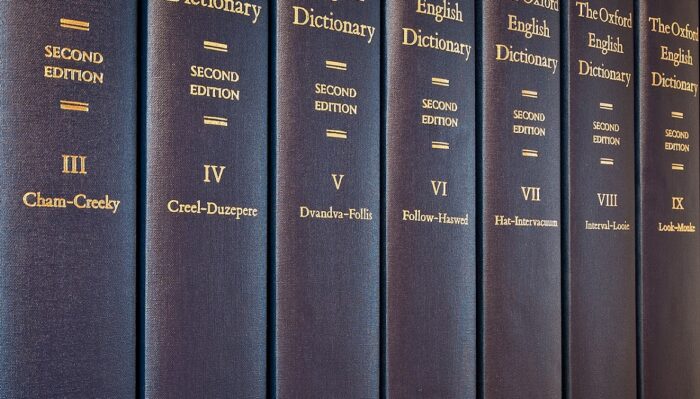
The Oxford English Dictionary is now the principal historical dictionary of the English language, published by Oxford University Press.
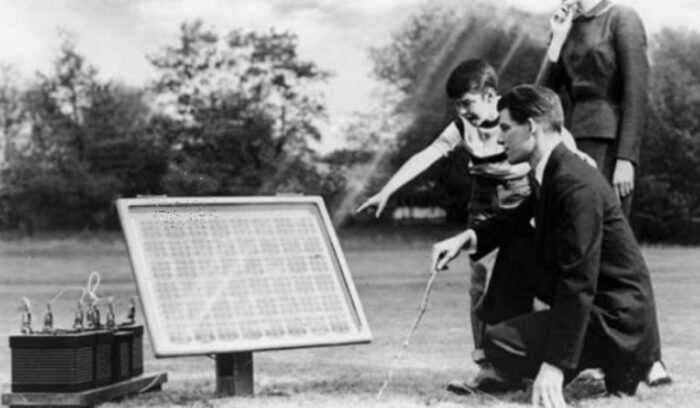
Though his solar panels were very inefficient and thus not economically-viable for most uses, they were a critical early step in the development of renewable energy technology.
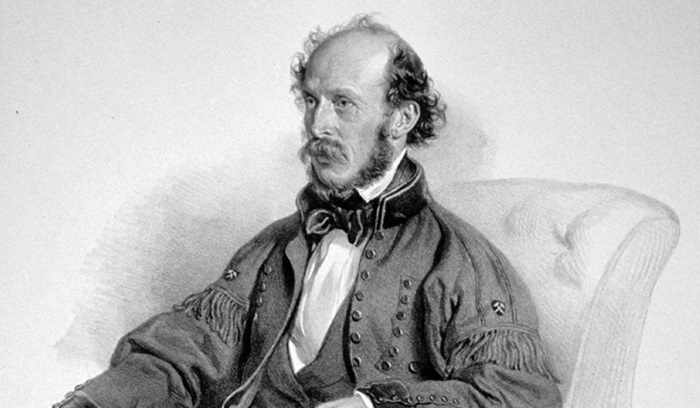
A heat pump is a device that uses electricity to transfer heat from a colder place to a warmer place. Air-source heat pumps are now among are most effective climate solutions. In 1856, Rittinger recognized the principle of the heat pump while conducting experiments on the use of water vapor’s latent heat for the evaporation of salt brine. As a result, the heat pump was used to dry salt in salt marshes in Austria.

In the West, Jenner is often called “the father of immunology”, and his work is said to have “saved more lives than the work of any other human”.
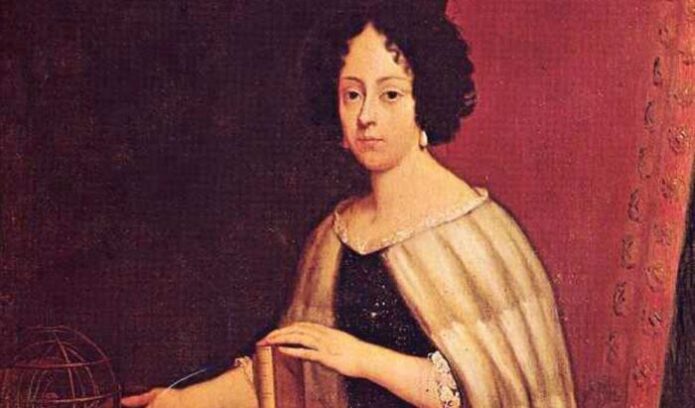
The Venetian was proclaimed Magistra et Doctrix Philosophiae at the University of Padua thus becoming the first women known to have received an academic degree from a university and the first to receive a Doctor of Philosophy degree.

By timing the eclipses of the Jupiter moon Io, Rømer estimated that light would take about 22 minutes to travel a distance equal to the diameter of Earth’s orbitaround the Sun.

The conservation movement can be traced back to Sylva, one of the most highly influential texts on forestry ever published.
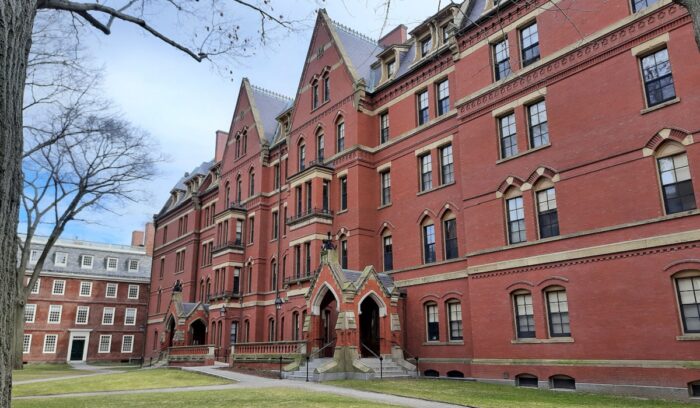
Harvard University is now the oldest institution of higher learning in the United States. Its influence, wealth, and rankings have made it one of the most prestigious universities in the world.

Founded during the reign of Charles I of Spain, it was originally a seminary operated by Catholic monks of the Dominican Order. Later, the institution received a university charter by Pope Paul III’s papal bull.

The first depiction of Terra Australis on a globe was probably on Johannes Schöner’s lost 1523 globe on which Oronce Fine is thought to have based his 1531 map of the world.