
First-of-a-kind blood test paves way for early Parkinson’s diagnosis
With no way of completely curing the condition, earlier diagnosis of Parkinson’s disease can have profound impacts on treatment options and a patient’s quality of life.
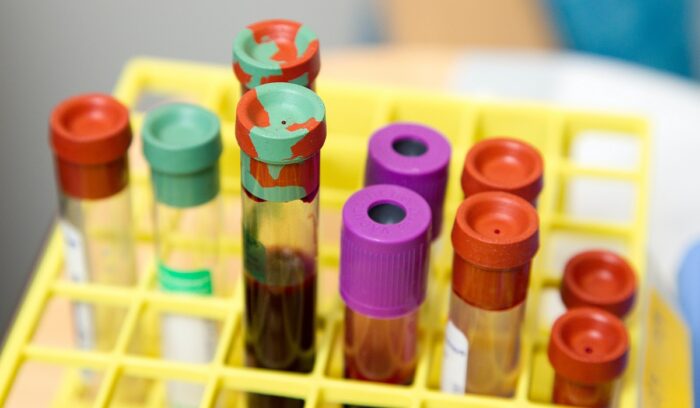
With no way of completely curing the condition, earlier diagnosis of Parkinson’s disease can have profound impacts on treatment options and a patient’s quality of life.

“Implementation of legalized non-medical cannabis coincided with decreases in alcohol and cigarette use and pain reliever misuse,” the University of Washington researchers reported.

Clerkenwell Health will begin trials in its London in August, initially focusing on psilocybin treatments and poised to make the U.K. a leader psychedelic research.

For the first time in 70 years, Stanford University is opening a new school—The Stanford Doerr School of Sustainability, a school dedicated solely to studying the climate crisis.

A team of researchers in Australia have now identified a blood biomarker linked to brain arousal that could potentially be used to identify infants most at risk of SIDS.

An enzyme created by engineers and scientists at the University of Texas breaks down plastics that typically take centuries to degrade in a matter of days.

A pair of Swedish scientists designed a microchip that stores solar energy in liquid, and shipped it to China where three months later it was converted into electricity.
The landmark findings from a massive study of more than 12,000 cancer patients offer researchers a trove of new resources to guide future studies on tailored cancer treatments.

The device takes three minutes to return results and has been found to be over 90 percent accurate in detecting positive COVID-19 cases.

A new Yale study shows that one in three patients with a severe skin disease were able to regrow hair after being treated with a common arthritis drug.