
Harvard University to end investment in fossil fuels
President Bacow said the school’s endowment had no direct investments in fossil fuel exploration or development companies as of June and will not make such investments in the future.
This archive covers milestones and breakthroughs from the scientific and academic world — researchers, universities, and institutions whose work advances human knowledge. Stories here highlight discoveries, studies, and scholarly efforts that point toward a better future.

President Bacow said the school’s endowment had no direct investments in fossil fuel exploration or development companies as of June and will not make such investments in the future.
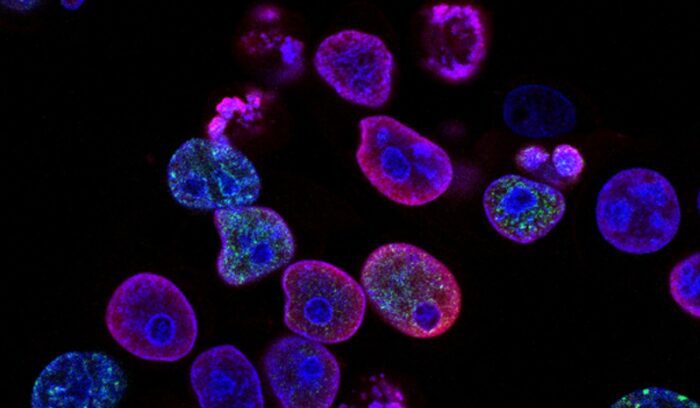
BioNTech, the German company that developed Pfizer’s covid-19 vaccine, is now testing whether mRNAs can treat cancer in humans. The treatment has already completely shrunk tumors in mice.

Federal stimulus funds have enabled the U.S. Department of Education to make significant investments in under-resourced colleges and universities through the Higher Education Emergency Relief Fund, including more than $2.6 billion to HBCUs.

The world of lab-grown meats is fast filling with all kinds of tasty bites, from burgers, to chicken breasts, to a series of increasingly complex cuts of steak.
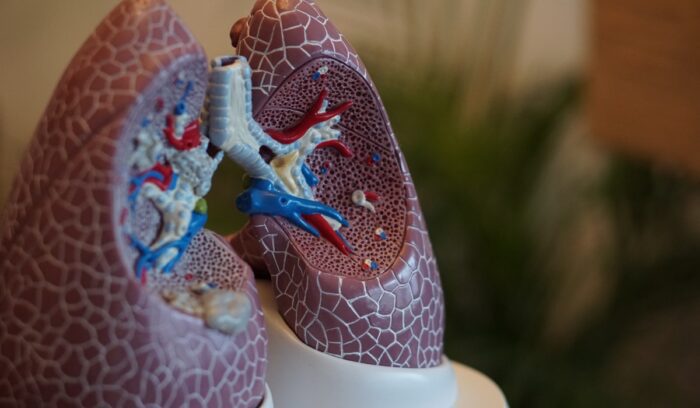
A new study by researchers at Johns Hopkins Kimmel Cancer Center is showing a novel blood test can detect the presence of lung cancer with over 90% accuracy using artificial intelligence.

A research team from Germany’s Martin Luther University Halle-Wittenberg and Brazil’s University of Pará has developed an alternative cement that drastically cuts emissions from production while meeting normal performance requirements.

The clinical trials will start on August 19 and end sometime around spring 2023, according to the National Institutes of Health’s trial registry. They will involve 56 HIV-negative participants aged 18 to 56.
Targeting a pair of rare genetic blood diseases, the experimental therapy has so far been 100 percent effective in all 22 patients treated.

For years now, Tesla has been working with third-party recyclers to recover materials from their end-of-life battery packs. But the automaker has also been working on its own “unique battery recycling system.“
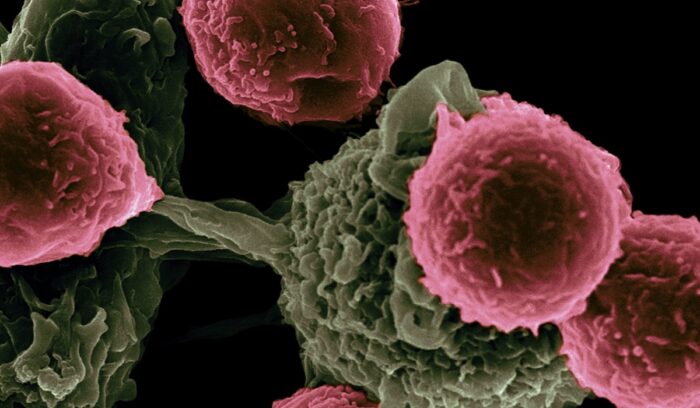
The new study, led by Dr. Sagar Sengupta from the National Institute of Immunology has however found a novel way to identify the disease as early as stage 1 through his lab’s work on microRNAs