Poland clinches ‘historic’ deal to phase out coal by 2049
The country depends on coal for around 70% of its energy needs, although it is planning to reduce this to 11% by 2040.
This archive collects milestones and progress stories involving nations — countries and their governments — acting to improve lives, protect rights, or address shared challenges. From policy breakthroughs to international cooperation, these stories show what countries are doing right.
The country depends on coal for around 70% of its energy needs, although it is planning to reduce this to 11% by 2040.
All three defendants have also been charged in a separate state proceeding with malice murder, felony murder, aggravated assault, false imprisonment, and criminal attempt to commit a felony.
The five receiving countries are in the process of conducting an in-depth barrier assessment to identify the obstacles to women’s selection and deployment to international peace operations and to start implementing their national plans.
In addition to improving public access to environmental information and encouraging public participation in environmental policymaking, the treaty also requires participating countries to protect environmental human rights defenders.
This new protected area is contiguous with and nearly doubles the size of the adjacent Rio Bravo Conservation Management Area. Combined, it represents 9% of the landmass of Belize and secures a vital wildlife corridor.
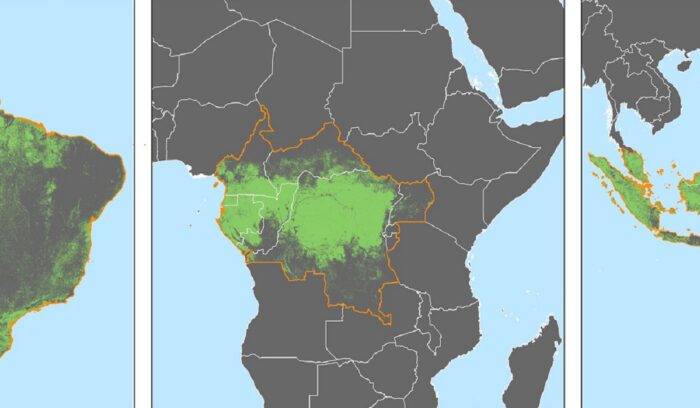
During the international Climate Summit, three governments and nine giant corporations announced a groundbreaking coalition, called LEAF, which is mobilizing to raise at least $1 billion this year, alone, for large-scale forest protection and sustainable development.
The Republic of Ireland is set to say goodbye to coal, after the state-owned Electricity Supply Board announced it would transform its last remaining coal generation, the 915MW Moneypoint facility, into a green energy hub, including a 1.4GW floating offshore wind farm.
The U.K. government has announced a legally binding commitment to hit a 78 percent emissions reduction target by 2035, as compared to 1990 levels, on the way to net zero emissions by 2050. For the first time, this target includes aviation and shipping. The U.K.’s carbon emissions peaked at around 900 megatons per year in 1991, and the 2022 figure is on pace to be below 500 Mt, representing around a 45% emissions reduction achievement since 2002.
Companies within the financial sector, like banks and insurers, must give a detailed report of climate change impacts on their businesses as well as information on how they handle climate-related risks and opportunities.
In the 1960s, Nepal’s rhino population hit a frightening low of fewer than 100. But it seems the government’s conservation efforts have paid off.