
China breaks ground on massive 100-gigawatt renewable energy project
The new project, likely built in western China, will generate more renewable energy than all solar and wind installations in India combined.
This archive collects milestones and progress stories involving nations — countries and their governments — acting to improve lives, protect rights, or address shared challenges. From policy breakthroughs to international cooperation, these stories show what countries are doing right.
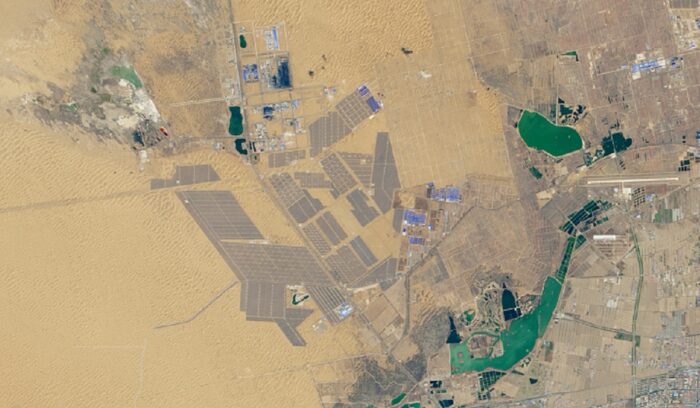
The new project, likely built in western China, will generate more renewable energy than all solar and wind installations in India combined.

The government believes that the tax will generate five billion euros by 2025, which will be returned to residents as an annual “climate bonus.”

France’s environment ministry expects that the measure will prevent more than one billion useless plastic packaging items per year.

Ayushman Bharat, India’s flagship health insurance for the least privileged communities, will provide coverage for #trans individuals that includes support for sex-change operations.

The decision to restore the Bears Ears and Grand Staircase-Escalante monuments will protect the sites’ stunning physical beauty and fossil record, as well as substantial Native American history.

The day, which honors the lost children and survivors of Indigenous schools, comes after more than 1,000 unmarked graves were discovered at former schools this year.

Tessa Ganserer and Nyke Slawik from the Greens part have made history in Germany as the first transgender women to win parliamentary seats in the recent national election.

Turkey’s parliamentarians on Wednesday unanimously approved the 2015 Paris Agreement on climate change, which aims to limit global warming to well below 2 degrees Celsius compared to pre-industrial levels.

The goal is to create a legal environment in which at least 1% of Mongolia’s GDP to be spent annually on combating climate change and desertification, and on increasing environmentally friendly and green facilities.

The Compact calls on nations to halt the construction of unabated coal-fired power generation projects by the end of this year. Initial signatories include Sri Lanka, Chile, Denmark, Germany, Montenegro, France, and the U.K.