
105 countries pledge to cut methane emissions by 30% by 2030
The Global Methane Pledge announced at COP26, commits signatories, including the US, Japan and Canada, to reducing their overall emissions by 30% by 2030, compared with 2020 levels.
This archive collects milestones and progress stories involving nations — countries and their governments — acting to improve lives, protect rights, or address shared challenges. From policy breakthroughs to international cooperation, these stories show what countries are doing right.

The Global Methane Pledge announced at COP26, commits signatories, including the US, Japan and Canada, to reducing their overall emissions by 30% by 2030, compared with 2020 levels.

Before, abortion was only permitted if the pregnancy endangered the life of the pregnant woman, was the result of rape, or was conceived in an incestuous relationship.
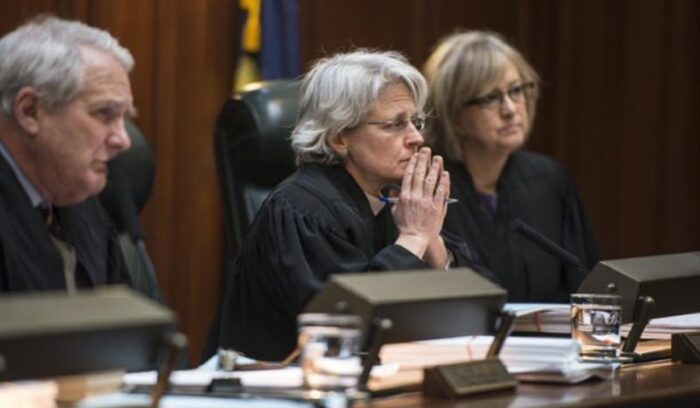
Robinson has been an associate justice on the Vermont Supreme Court for the past ten years, where she also made history as the state’s first out LGBTQ supreme court justice.

In the first major deal to come out of the COP26 climate talks, more than 100 countries have pledged to halt and reverse deforestation by 2030. The signatories hold more than 85% of the world’s forests.

The countries who signed the pledge – including Canada, Brazil, Russia, China, Indonesia, the Democratic Republic of the Congo, the U.S. and the U.K. – cover around 85% of the world’s forests.

According to a 2019 study, which is based on surveys of children aged six to nine, 40% of Spanish minors are above their recommended weight.

Albania, Bhutan, Costa Rica, Democratic Republic of Congo, Ethiopia, Iceland, Namibia, Nepal, Norway, and Paraguay all now generate more than 97% of their electricity from renewable sources.

Before being sworn in as New Zealand’s first Māori Governor-general last week, Dame Cindy Kiro forged a career in academics, holding various leadership roles at many New Zealand universities.

The X gender marker will become a part of the routine passport application process in early 2022.

It is the first ever internationally-agreed tool to safeguard environmental defenders and marks an important step in upholding the universal right to a clean, healthy and sustainable environment.