
Mexico adds nonbinary option to passports
Nonbinary Mexicans now have the option to select “X” as their gender marker, rather than male or female. Foreign Minister Marcelo Ebrard called the move “a great leap for the freedom and dignity of people.”
This archive collects milestones and progress stories involving nations — countries and their governments — acting to improve lives, protect rights, or address shared challenges. From policy breakthroughs to international cooperation, these stories show what countries are doing right.

Nonbinary Mexicans now have the option to select “X” as their gender marker, rather than male or female. Foreign Minister Marcelo Ebrard called the move “a great leap for the freedom and dignity of people.”

“The basic principles should be that the election of the Federal Somali Republic must be one that gives the public the opportunity to cast their votes democratically in a one-person, one-vote system,” the government said after reaching an agreement with state leaders.

Nepal’s Supreme Court has ordered the government to seize illegal wildlife collections held by wealthy citizens, ending decades of selective enforcement that punished poor and Indigenous communities while elite collectors displayed tiger pelts and rhino heads openly in their homes. The May 2023 ruling, sparked by a writ petition from conservationist Kumar Paudel, requires private collectors to register their holdings — anything acquired after 1973, when Nepal’s conservation law took effect, is subject to seizure. In a thoughtful twist, the court ordered confiscated items preserved for public education rather than incinerated, turning evidence of wildlife crime into tools for awareness. By insisting that conservation law reach the powerful as well as the poor, the ruling points toward a more just foundation for protecting wildlife everywhere.

The FDA finalized recommendations for determining donor eligibility by using the same questions for everyone who wants to donate, similar to how the U.K., Canada, and France currently determine risk.

In a historic ruling, the Supreme Court of Namibia has ruled that the government is required to recognize same-sex marriages performed legally in other nations between citizens and foreign nationals.

Four years after Taiwan legalized same-sex marriage, the legislature has passed an amendment that makes the process of adoption for same-sex partners the same as for any other couple under Taiwan’s existing laws.
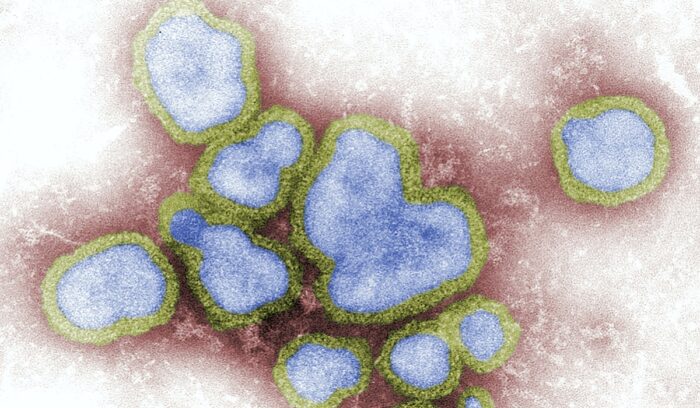
Pfizer’s RSV vaccine ABRYSVO just became the first licensed option for at-risk adults as young as 18, closing a long-standing protection gap for younger people living with chronic conditions. About one in ten U.S. adults aged 18 to 49 has a condition like diabetes, asthma, or heart failure that raises their risk of severe RSV illness — and until now, they had nothing. The vaccine targets RSV’s prefusion F protein, a breakthrough that finally unlocked effective design after decades of frustrating research. With approvals now spanning pregnant individuals, older adults, and at-risk younger adults, ABRYSVO marks a quiet but powerful turning point in a field that struggled for half a century — a reminder that patient science eventually delivers real protection to real people.

By 2025, 2% of fuel offered at EU airports must be sustainable aviation fuels (SAF). This must rise to 6% by 2030, 20% by 2035, and 70% of by 2050.

The first of many solar and wind projects in China’s deserts is now online, and it’s capable of powering a staggering 1.5 million households.

Australia’s parliament has passed the country’s most significant emissions reduction legislation in more than a decade. It requires that total emissions from major industrial facilities must come down, not just be offset.