
Ireland votes to end abortion ban
Ireland voted decisively to repeal one of the world’s more restrictive abortion bans, dealing the latest in a series of stinging rebukes to the Roman Catholic Church.
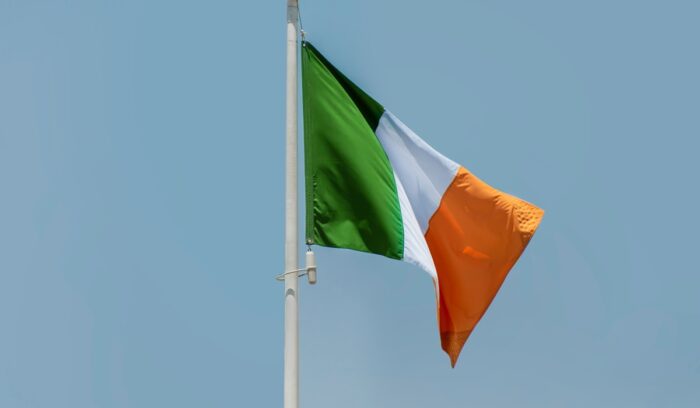
Ireland voted decisively to repeal one of the world’s more restrictive abortion bans, dealing the latest in a series of stinging rebukes to the Roman Catholic Church.
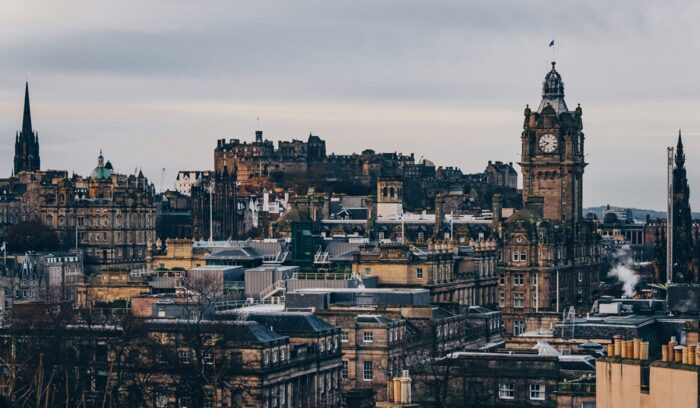
The Scottish government also said it would have a new interim target for 2020 of a 56 per cent cut compared with the existing goal of 42 per cent.
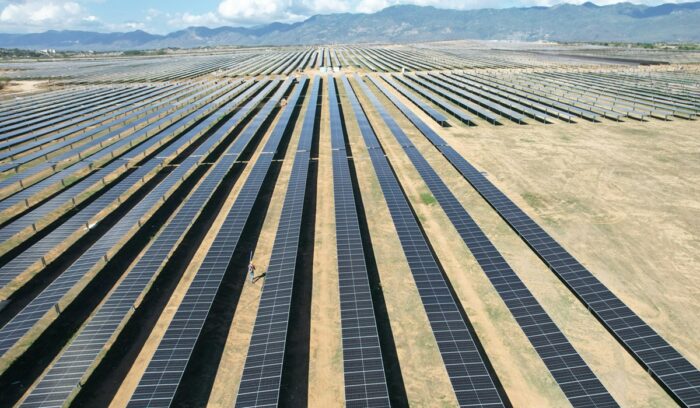
Renewable energy prices in India are crashing, leaving coal-based power plants in the country financially unviable in their wake.

The country becomes the first in WHO’s South-East Asia Region to defeat the world’s leading infectious cause of blindness.

The nation’s incarceration rate has declined every year since 2006 and is now at its lowest point since 1996.
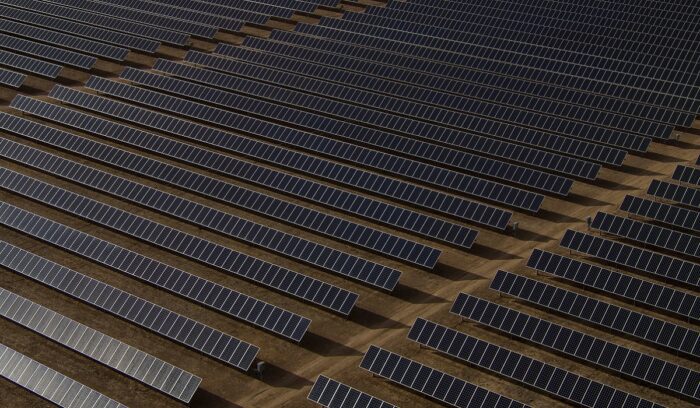
Brazil now has 320 MW of distributed solar generation, a sector which grew 270% in 2016, 304% in 2017, and is expected to increase by 358% in 2018.
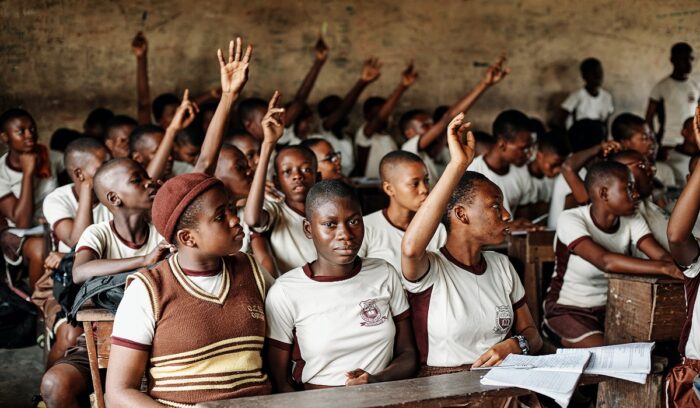
Boko Haram, and by extension ISIS/ISIL, has been routed from the 24 local areas in Nigeria they used to administer. Bolstered by international assistance, the Nigerian army has led this regional fight against terrorism.
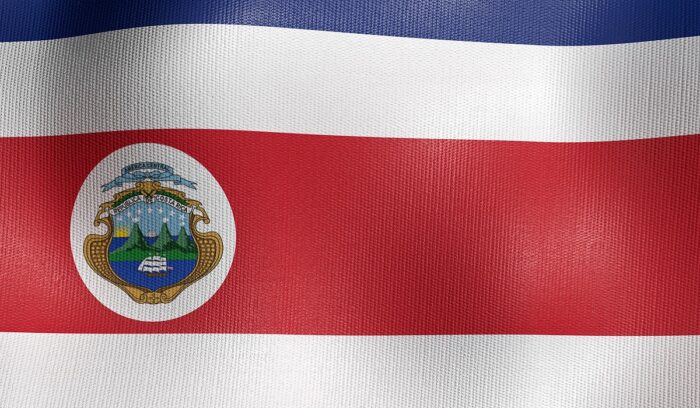
New president embraces ‘titanic and beautiful task’ of complete renewable energy transition.
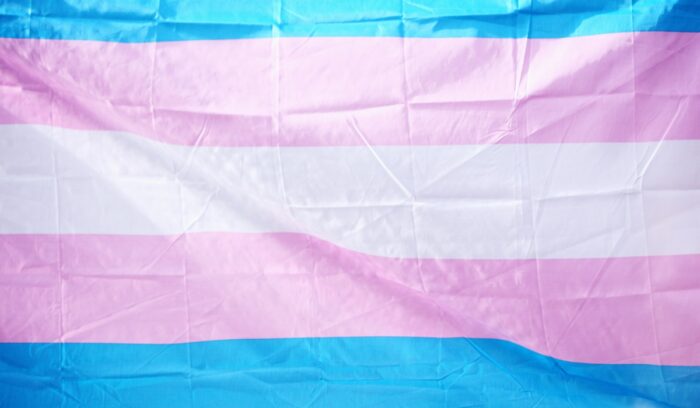
The Transgender Persons (Protection of Rights) Act allows people to choose their gender and to have that identity recognized on official documents, including national IDs, passports and driver’s licenses.
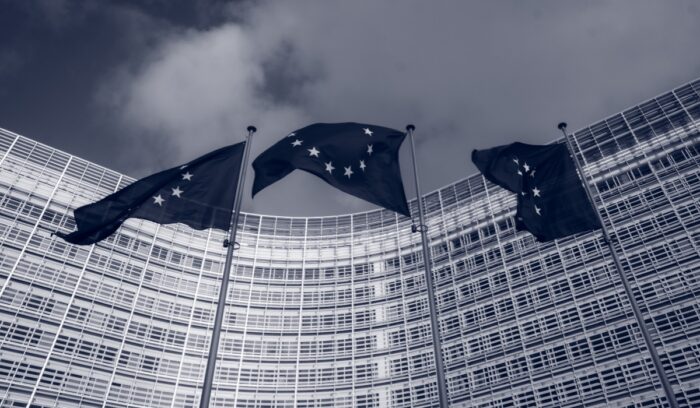
A quarter of the €1.279 trillion budget for 2021 to 2027 will be dedicated to spending designed to combat climate change. That includes funding for renewable energy, efficiency improvements, and adaptation to the effects of climate change.