Nations

This archive collects milestones and progress stories involving nations — countries and their governments — acting to improve lives, protect rights, or address shared challenges. From policy breakthroughs to international cooperation, these stories show what countries are doing right.

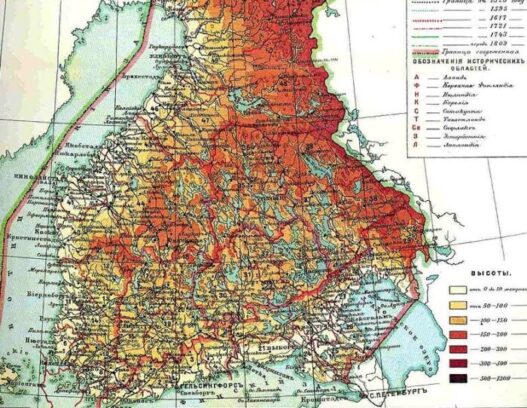
Map of Finland, for article on Finnish autonomy

Finland gains autonomy within the Russian Empire

Finnish autonomy began on September 17, 1809, when the Treaty of Fredrikshamn ended six centuries of Swedish rule and handed Finland to Russia — with a twist. Tsar Alexander I let Finland keep its laws, faith, and a senate run by Finns themselves. That protected space quietly nurtured the identity Finland would carry into independence in 1917.

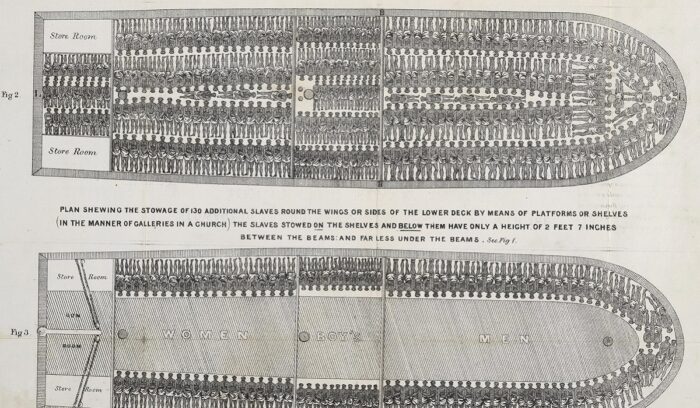
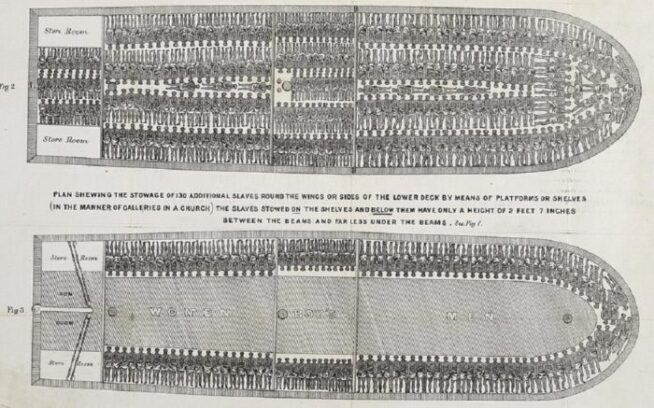
Stowage of a British slave ship, for article on Atlantic slave trade abolition

British Parliament bans the Atlantic slave trade after 20 years of campaigning

Britain’s Atlantic slave trade abolition became law on 25 March 1807, when King George III signed the Slave Trade Act after two decades of failed attempts. The final Commons vote was 283 to 16, the culmination of a campaign carried by Quakers, formerly enslaved writers like Olaudah Equiano, and petitioners across the country. It was the first time a major empire legislated against its most profitable trade on moral grounds.

anthony garand rehTDIfR o unsplash, for article on U.S. Constitution ratification

U.S. Constitution ratified, establishing the world’s oldest written national charter

The U.S. Constitution crossed its ratification threshold on June 21, 1788, when New Hampshire became the ninth state to approve it, meeting the bar set in Article VII. It replaced a crumbling framework under which the federal government couldn’t reliably collect taxes or pay its soldiers. More than two centuries later, it remains the oldest written national constitution still in force.

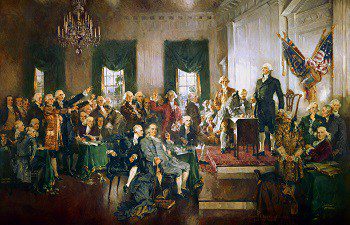
Constitutional Convention, for article on U.S. Constitutional Convention

U.S. Constitutional Convention reframes how a nation can govern itself

The U.S. Constitutional Convention opened in Philadelphia in May 1787, where 55 delegates arrived expecting to patch up the Articles of Confederation and ended up drafting something entirely new. Over a sweltering summer, they hammered out compromises on representation, slavery, and executive power. The result, ratified the following year, remains the world’s oldest written national constitution still in use.

David Cox - Pirate's Isle painting, for article on Belize Town founding

English lumber harvesters establish Belize Town on a Maya site

Belize City traces its roots to 1638, when English loggers set up a trading post at the mouth of Haulover Creek to float logwood and mahogany out to the Caribbean. The site wasn’t empty — a Maya settlement called Holzuz was already there. Nearly four centuries on, it remains Belize’s largest city and a layered meeting point of Maya, African, Garifuna, and Mestizo histories.