Nations

This archive collects milestones and progress stories involving nations — countries and their governments — acting to improve lives, protect rights, or address shared challenges. From policy breakthroughs to international cooperation, these stories show what countries are doing right.

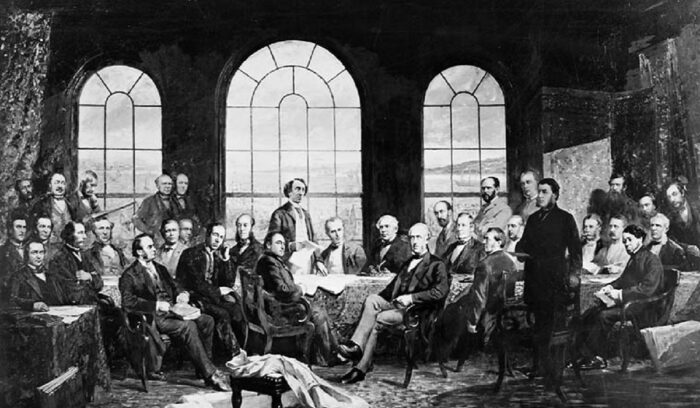
Robert Harris' 1884 painting, for article on Canadian confederation

The Dominion of Canada is established as a self-governing nation within the British Empire

Canadian confederation began on July 1, 1867, when the British North America Act united Nova Scotia, New Brunswick, Ontario, and Quebec into a self-governing dominion under the Crown. The framework emerged not from revolution but from conference tables in Charlottetown, Quebec, and London. It offered a quieter template for how a country could become itself.

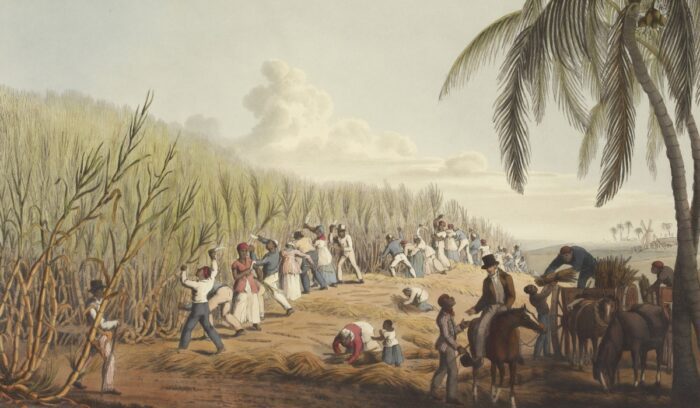
Illustration of slaves working the fields|Cornell University, for article on emancipation proclamation

Lincoln issues the Emancipation Proclamation, freeing enslaved people in rebel states

The Emancipation Proclamation took effect on January 1, 1863, when President Lincoln declared enslaved people in rebelling Confederate states legally free. Between 25,000 and 75,000 were liberated immediately in Union-held areas, with millions more as federal forces advanced. It reframed the Civil War as a fight against slavery and opened the path to the 13th Amendment.

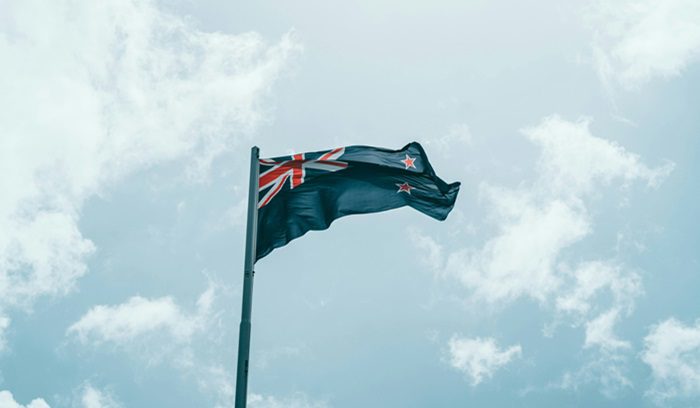
image for article on New Zealand self-governance

New Zealand Constitution Act gives settlers the right to self-governance

New Zealand self-governance arrived in 1852, when the British Parliament passed a Constitution Act letting the colony’s settlers run their own domestic affairs just over a decade after the colony was formally established. A bicameral parliament and provincial councils followed. It was one of the earliest grants of colonial self-rule — though Māori, whose sovereignty predated it, were largely shut out.