Business

This archive collects stories about businesses — from startups and local enterprises to multinational corporations — taking meaningful action on social, environmental, and economic challenges. These reports highlight moments when commerce and accountability intersect in constructive ways.

Electric buses, for article on Kenya electric buses

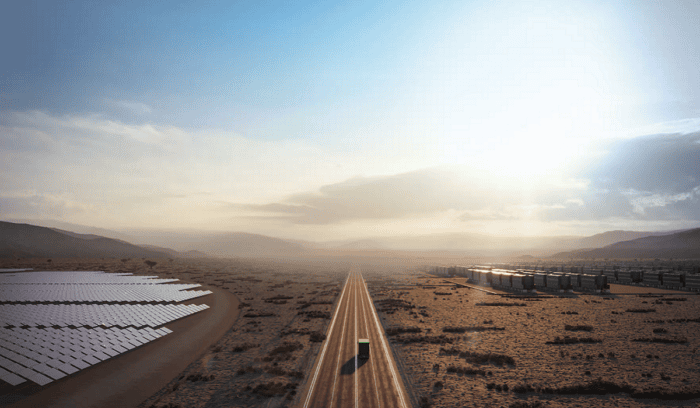
Kenya is producing its first electric buses

Electric buses are now being assembled in Kenya for the first time, marking a genuine shift in how East Africa thinks about clean public transit. A Nairobi startup called BasiGo partnered with a veteran Mombasa assembler to build 1,000 electric buses over three years — creating over 600 jobs in manufacturing, maintenance, and charging. What makes this especially promising is BasiGo’s pay-per-kilometer financing model, which makes electric buses as affordable upfront as diesel for everyday operators. Kenya’s already-clean electricity grid means these buses will run on genuinely green power. It’s a hopeful template other African cities could follow.

Vials and syringes in a lab, for article on not-for-profit drug access

Pfizer to sell all its drugs in 45 low-income countries at non-profit price

Pfizer’s not-for-profit pricing pledge now spans all 500 of its medicines — including chemotherapy and oral cancer treatments — across 45 of the world’s lowest-income countries. That’s a major expansion of an accord the company launched in 2022, which originally covered only patented drugs. By including off-patent medicines too, Pfizer is acknowledging that even decades-old cancer treatments often remain out of reach where generic supply chains never took hold. For patients across much of sub-Saharan Africa and South Asia, where cancer and heart disease are rising fast, this could quietly move the floor on what’s possible. And when the world’s largest drugmaker makes a move this broad, the rest of the industry tends to notice.

3M mask, for article on PFAS phase-out

3M to end ‘forever chemicals’ output at cost of up to $2.3 bn

3M, one of the world’s largest makers of PFAS, will halt all production of these “forever chemicals” by the end of 2025, walking away from a business that brought in roughly $1.3 billion a year. The company expects to absorb up to $2.3 billion in pre-tax charges to exit — a sign it sees long-term liability as the bigger risk than lost revenue. The move follows mounting pressure from regulators, lawsuits, and a coalition of fund managers overseeing $8 trillion in assets who urged dozens of companies to phase PFAS out. Compounds linked to cancer, thyroid disruption, and developmental harm have turned up in drinking water and food supplies worldwide, and 3M’s deadline signals that the era of treating them as ordinary industrial inputs is drawing to a close.

Lightyear One, for article on solar electric car

World’s first solar car goes into production

Solar-powered cars have moved from moonshot idea to manufacturing reality — and that shift matters more than any single vehicle rolling off the line. Lightyear’s debut model uses curved solar arrays across its roof and hood, harvesting enough sunlight to cover up to 40 miles daily — matching most people’s actual driving habits. At $255,000, it targets early adopters, though with solar panel costs having dropped over 99% since the 1970s, wider accessibility may follow. A car that generates its own fuel from sunlight quietly answers one of the strongest critiques of electric vehicles.

Brain model, for article on glioblastoma vaccine

Vaccine prolongs life of patients with aggressive brain cancer in new trial

Glioblastoma patients now have the most promising new treatment in nearly three decades, after a personalised vaccine more than doubled five-year survival rates in a large international trial. The vaccine works by extracting proteins from a patient’s own tumour and combining them with their white blood cells, training the immune system to recognise and destroy the cancer — with benefits seen even among those traditionally considered hardest to treat. If regulators approve it, this could signal a new era of personalised immunotherapy for cancers that have long resisted every available option.

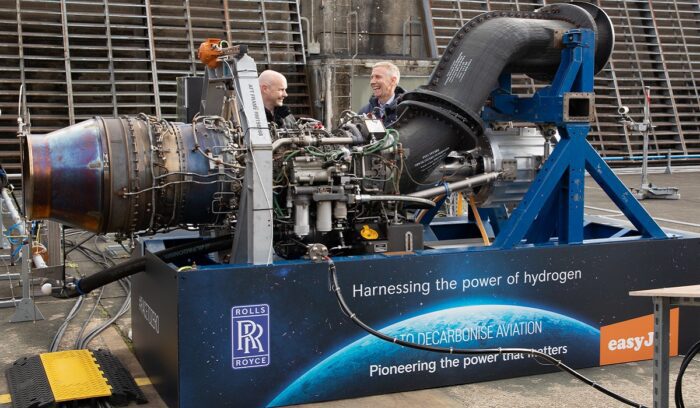
Rolls-Royce & easyJet hydrogen engine, for article on hydrogen jet engine

World’s first test run of a hydrogen jet engine proves a success

Hydrogen-powered flight moved from theory to reality when Rolls-Royce and easyJet successfully ran a modern jet engine on green hydrogen produced entirely from wind and tidal energy. Unlike battery-electric approaches, hydrogen burns clean — releasing water vapor instead of carbon dioxide — and this test proved a real engine can handle it. Aviation has been one of the hardest sectors to decarbonize, so a confirmed proof of concept opens a genuine path forward. Every major breakthrough in flight history started exactly here: on the ground, with an engine, and a question that finally got answered.