Transportation

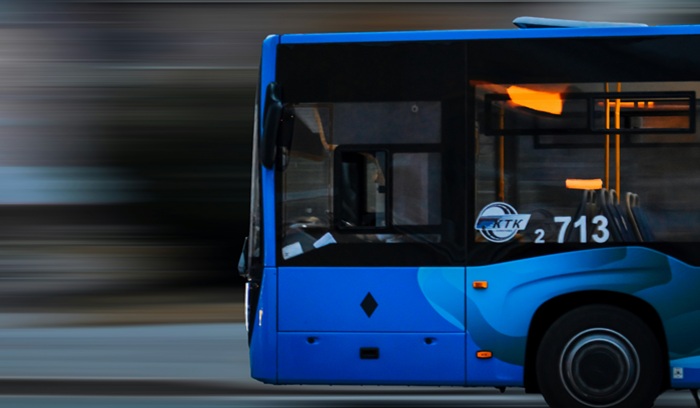
Blue bus

Senegal launches all-electric bus network powered by renewable energy

Senegal has successfully launched a transformative Bus Rapid Transit system in Dakar, featuring a fleet of 121 fully electric buses. As the first network in Sub-Saharan Africa to operate entirely on renewable energy, the initiative utilizes local solar power to transport up to 300,000 passengers daily. By utilizing dedicated lanes, the clean energy fleet cuts cross-city commute times in half while preventing nearly 60,000 tons of carbon dioxide emissions annually. This monumental project dramatically improves urban air quality and establishes Senegal as a pioneering leader in sustainable, green public infrastructure.
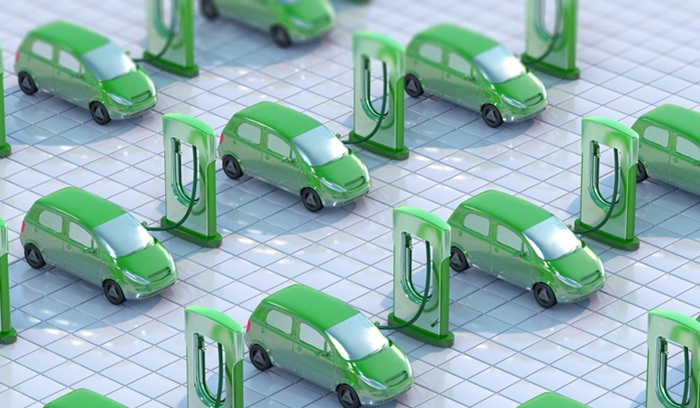

Illustration of electric cars

Electric car sales outpace gas-powered cars in the E.U. for the first time

In a historic shift for the automotive industry, fully electric vehicles (EVs) have outsold petrol cars in the European Union for the first time. Data from the European Automobile Manufacturers Association shows that EVs captured 23.6 percent of the market in December 2025, surpassing petrol registrations. This milestone confirms that the transition to zero-emission transport is accelerating rapidly, driven by strong climate policies, falling costs, and growing consumer confidence. The achievement marks the beginning of the end for fossil fuel dominance on European roads.

Kuala Lumpur

Malaysia to put over 1,000 electric buses on the road by 2030

Malaysia has kicked off a major initiative to modernize its public transport system by replacing diesel buses with electric vehicles. The government’s strategic plan targets the deployment of 1,100 electric buses by 2030, starting with an initial pilot phase to test operations. This move is designed to drastically reduce urban air pollution and noise while boosting the local green technology sector. By prioritizing zero-emission public transit, Malaysia is taking a decisive step toward its goal of carbon neutrality by 2050.

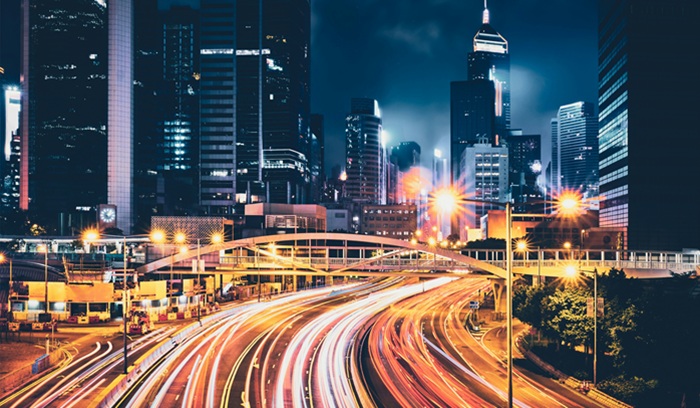
Hong Kong traffic

Global EV sales up 27% in 2025 despite political headwinds

Global EV sales have soared by 27% in 2025, demonstrating that the move to climate-friendly electric vehicles is an unstoppable market-driven transition.
This phenomenal growth continued despite significant anti-electrification policies and political headwinds coming from the U.S. market.
The surge is delivering significant benefits, eliminating harmful tailpipe emissions to improve public health and protect planetary systems, fueled by rapidly falling battery costs and strong global demand.

Paris skyline at sunset

Paris residents vote to make 500 more streets pedestrian

Parisians voted to pedestrianize a further 500 of the city’s streets, giving fresh momentum to efforts by the French capital’s left-leaning town hall to curb car usage and improve air quality. The referendum will eliminate 10,000 more parking spots in Paris, adding to the 10,000 removed since 2020. The 500 additional streets to be pedestrianized will bring the total number of these so-called “green lungs” to nearly 700, just over one-tenth of the capital’s streets.

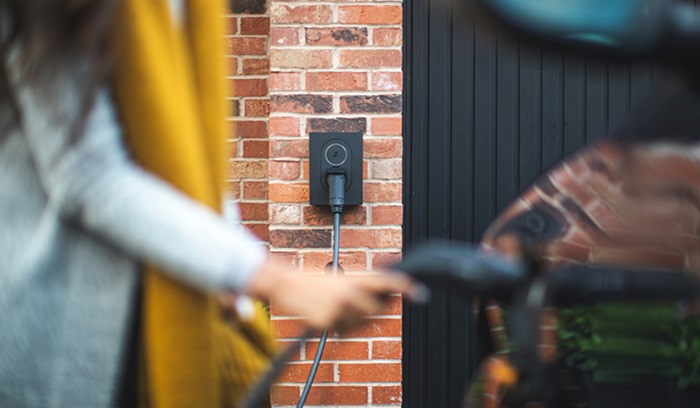
California now has more EV charging ports than gas nozzles

California has steadily amassed its EV charging network with both public and private charging ports over the last few years. In 2024, California boasted 178,500 total EV ports compared to around 120,000 estimated gas nozzles, according to the California Energy Commission. The number of accessible chargers across California has nearly doubled since 2022. Since August, the last time these figures were publicly updated, the state has recorded roughly 26,000 additional publicly accessible EV chargers.

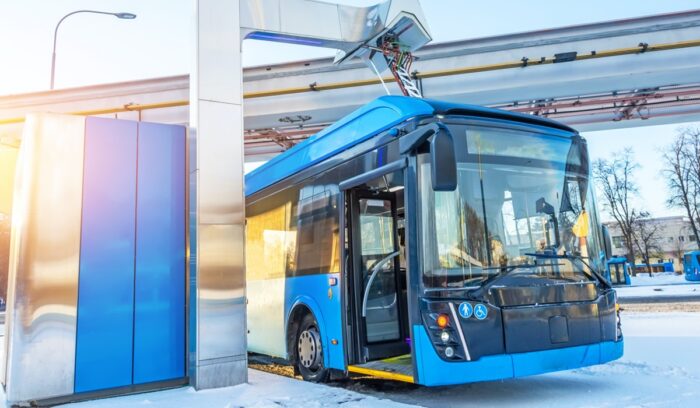
Electric bus

Nearly half of new E.U. city buses were zero-emission in 2024

49% of all new E.U. city buses were zero-emission in 2024, making city buses one of the early success stories of the European Green Deal. This growth is due to the faster-than-expected uptake in fuel cell buses, making up 3% of new E.U. city buses in 2024. Battery-electric, however, remains by far the dominant powertrain, with a 46% share. This success is due to both the new European regulation last year sending a clear market signal that the days of diesel buses are numbered and city-level policies such as zero-emission zones and fleet targets.

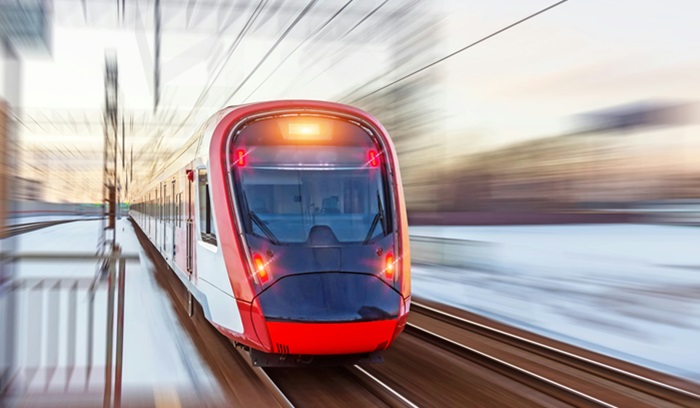
High-speed train

Canada to build massive, fully electric, 185-mph inter-city rail network

Canada is set to begin work on a high-speed inter-city rail network – the largest infrastructure project in the country’s history. Spanning 621 miles, the fully electric new rail network will serve 18 million people – nearly half of Canada’s population – across the Toronto-Quebec City corridor. It’s expected to serve 13 times more passengers annually than the current service. Canada is expected to invest nearly $3 billion USD over the next six years to bring the project to light.

Traffic on freeway

Global sales of combustion engine cars have peaked

To decarbonize road transport and achieve global climate goals, the world must move away from petrol and diesel cars and toward electric vehicles and other forms of low-carbon transport. Fortunately, this transition is already well underway, with global sales of combustion engine cars peaking in 2017 or 2018 and now falling. In 2018, global combustion engine cars peaked at more than 80 million. By 2023, sales had fallen below 65 million units as EV sales rose dramatically.

Norwegian flag|Norway fjord

Norway is set to become the first country to fully transition to electric vehicles

Despite its vast oil and gas reserves, the Nordic country has long been recognized as a global leader in sustainable transportation. Its EV sales have increased from less than 1% of total auto sales in 2010 to a whopping 88.9% last year — and this trend doesn’t show any sign of slowing. Data published by the Norwegian Public Roads Administration found EVs accounted for more than 96% of new cars sold in the first few weeks of this year. It puts Norway within touching distance of going fully electric — realizing a non-binding goal that was first established by lawmakers back in 2017.