Poverty alleviation

Mexican flag

Middle class Mexicans now outnumber those in poverty for the first time

The August report from Mexico’s National Institute of Statistics and Geography confirms that the number of Mexicans living in poverty fell from 51.9 million in 2018 to 38.5 million in 2024. This massive reduction of over 13 million people is driven by sustained minimum wage hikes and robust social safety nets. This demographic shift validates recent social policies and offers a hopeful model for inclusive growth in emerging economies.

American money

More than $6 billion in medical debt erased in North Carolina in 2025

In a historic move for economic justice, North Carolina has erased over 6.5 billion dollars in medical debt over the course of 2025, benefiting nearly 2.5 million residents. Governor Josh Stein announced the relief, which was achieved through a partnership with 60 hospitals that agreed to forgive old debt in exchange for higher Medicaid reimbursement rates. This massive initiative removes financial barriers to care, helps families repair their credit scores, and serves as a powerful national model for leveraging state policy to solve the medical debt crisis.

Los Angeles skyline

Los Angeles County erases $363 million in medical debt

This initiative, funded by a $5 million investment from County general funds, provides direct relief to more than 153,000 low-income residents. Partnering with the non-profit Undue Medical Debt, the county purchased unpayable debt portfolios to wipe the slate clean for families. This decisive action removes financial barriers to care, improves credit scores, and advances health equity across the region.

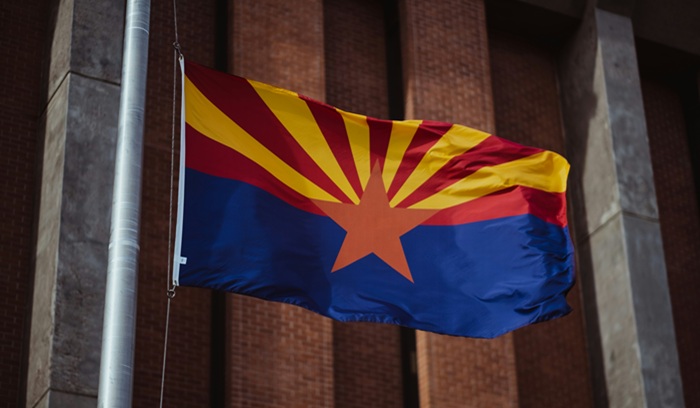
Arizona flag

Arizona cancels more than $200 million in medical debt for almost half-a-million residents

Arizona has achieved a major victory for financial security by cancelling medical debt for nearly half a million residents. Governor Katie Hobbs announced the state has erased more than $200 million in this latest round, bringing the total debt forgiven to $642 million. Utilizing federal funds and partnering with the non-profit Undue Medical Debt, the program targets low-income households without requiring any application. This decisive action restores credit scores, relieves mental stress, and boosts the local economy by freeing up household income for essentials.

Infant in NICU

Colorado becomes first state in the U.S. to offer paid neonatal care leave

Colorado has made history as the first state in the U.S. to implement paid neonatal care leave, providing critical support for families with infants requiring extended hospitalization. This pioneering policy allows eligible parents to take up to 12 weeks of paid leave specifically for neonatal care, in addition to standard bonding leave. This ensures parents can remain by their baby’s side during NICU stays without financial fear.

Marshall Islands flag

Marshall Islands launches national universal basic income

The Republic of the Marshall Islands has pioneered a new economic model with the launch of the Sovereign (SOV). This national digital currency funds a Universal Basic Income, providing citizens with quarterly payments of roughly $200 USD. Operating a dual-currency system, the scheme allows residents to receive these automatic dividends in digital SOV or instantly convert them to US dollars for daily needs. This innovative approach provides a stable financial safety net while promoting long-term economic independence.

Mexican pesos

Mexico to boost minimum wage 13% in 2026

The Mexican government has announced a 13% increase in the daily minimum wage for 2026, raising it to 315.04 pesos. This marks the eighth consecutive year of substantial hikes, a policy that has successfully doubled the real value of the wage since 2018. This sustained commitment is lifting millions out of poverty and strengthening the domestic economy by boosting consumer purchasing power.

People walking through young forest

Congo Basin nations launch historic community payments for forest care initiative

A groundbreaking initiative has launched across the Congo Basin to pay local communities directly for protecting their forests. Supported by the Central African Forest Initiative (CAFI), the program uses mobile technology to transfer funds to farmers who engage in sustainable practices like agroforestry and reforestation. With over $100 million in new funding, this effort aims to scale up conservation across the Democratic Republic of Congo, Gabon, and the Republic of Congo. This model empowers local people as the primary guardians of the world’s second-largest rainforest.

Children eating school meal

Colorado voters approve tax increase on high earners to fund school meals, food stamps

Colorado has achieved a major victory for public health with the passage of Proposition MM. This landmark measure secures approximately $100 million annually for mental health and addiction services by limiting tax deductions for high earners making over $300,000. The revenue will expand access to care in rural communities and support critical crisis intervention programs. This decisive vote confirms a strong public commitment to progressive funding solutions, treating mental health as an essential service for all.

Muralist painting

Ireland secures creative future with permanent basic income for artists

Ireland has cemented its role as a global cultural leader by making its basic income pilot for artists a permanent national policy. This historic commitment guarantees a stable foundational income for thousands of creative workers. This economic security removes pressure and allows artists to fully dedicate themselves to innovation. The program affirms that art and culture are essential public goods and vital to the national economy.