Poverty alleviation

This archive tracks real progress on poverty alleviation — from policy wins and cash-transfer programs to community-led initiatives that are lifting incomes and expanding opportunity. Across 156 articles, you’ll find evidence that poverty is not intractable. These stories document what works, where it’s working, and who is making it happen.

UNDP logo, for article on UN Development Programme

UN Development Programme launches to fight global poverty

The UN Development Programme was born on November 22, 1965, when the General Assembly merged two overlapping agencies into a single body focused on helping poorer countries build their own way forward. It grew from a modest technical-assistance office into a network spanning 177 countries, quietly reshaping how the world defines progress itself.

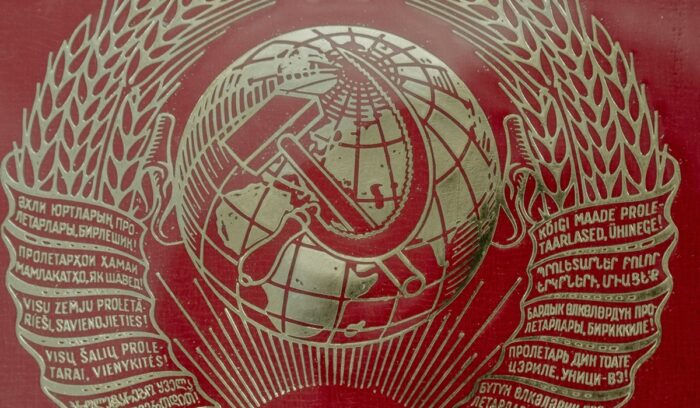
Red and gold Soviet Union logo, for article on Soviet abortion legalization

Soviet Russia becomes the first modern state to legalize abortion

Soviet Russia legalized abortion in October 1920, becoming the first modern government to permit the procedure without restriction, and often for free. The decree aimed to move women away from underground providers and into hospitals — by 1925, roughly three-quarters of abortions in Moscow were performed in medical facilities. It was an early, imperfect test of treating reproductive health as medicine rather than crime.

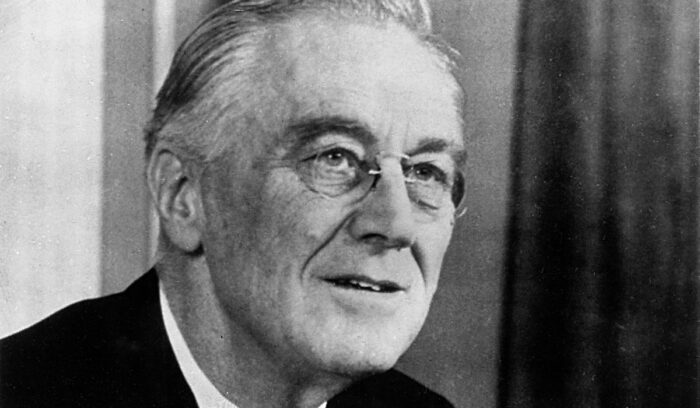
Sir Benjamin Thompson, for article on school lunch program

Benjamin Thompson launches the first school lunch program in Munich

School lunch programs trace back to 1790s Munich, where American-born exile Benjamin Thompson opened the Poor People’s Institute. He fed children while teaching them to read and write, treating a hot meal as a practical investment rather than charity. Today, roughly 380 million schoolchildren worldwide receive meals through programs built on that quiet insight.