Oil, natural gas & divestment

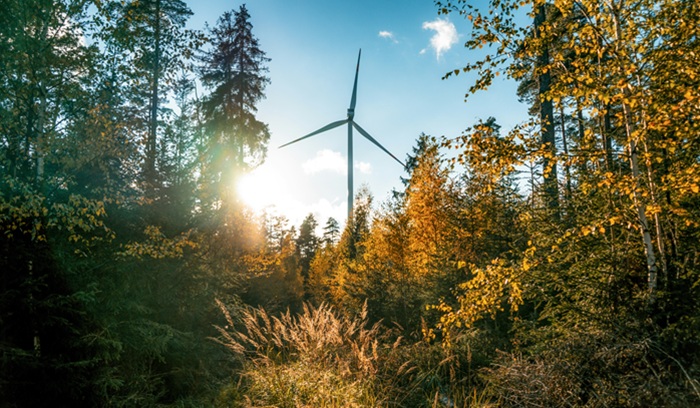
Wind turbine through the trees

Wind and solar supply more power than fossil fuels in Europe for first time ever

In a landmark achievement for the energy transition, wind and solar power have generated more electricity than fossil fuels in the European Union for the first time over a full year. According to the 2026 Ember report, renewables accounted for 30% of the EU’s electricity in 2025, surpassing the 29% from coal and gas. While gas use rose slightly due to weather conditions, a 20% surge in solar generation and a historic low for coal (9.2%) secured this major victory for clean energy.

Oil refinery

Canada sets new rules to lower oil and gas methane emissions 

The Canadian government has finalized a landmark set of regulations designed to slash methane emissions from the oil and gas sector by at least 75% by 2035. This decisive policy bans routine venting and flaring while mandating advanced leak detection technologies across the industry. By targeting this potent greenhouse gas, Canada is taking one of the fastest, most cost-effective steps available to slow near-term global warming and improve air quality for local communities.

Offshore oil rigs at sunset

Britain becomes world’s largest economy to end new oil and gas exploration

In a historic move for global climate action, the United Kingdom has officially banned all new oil and gas exploration licenses in the North Sea. This decision makes the UK the world’s largest economy to end the search for new fossil fuels. The government’s “North Sea Future Plan” prioritizes a transition to clean energy, investing heavily in offshore wind and workforce training. This bold policy aligns national strategy with climate science, setting a powerful precedent for other nations to follow.

River running through rainforest

Colombia bans all new oil and mining projects in its Amazon

In a decisive victory for the environment, the Colombian government has declared a halt to all future industrial extraction within its rainforest territories. This policy protects 42% of the nation’s territory, immediately stopping hundreds of pending permits. The ban prioritizes biodiversity, water systems, and Indigenous land rights over short-term profit. By shifting focus to a sustainable bioeconomy, Colombia is setting a powerful example of environmental sovereignty for the entire Amazon basin.

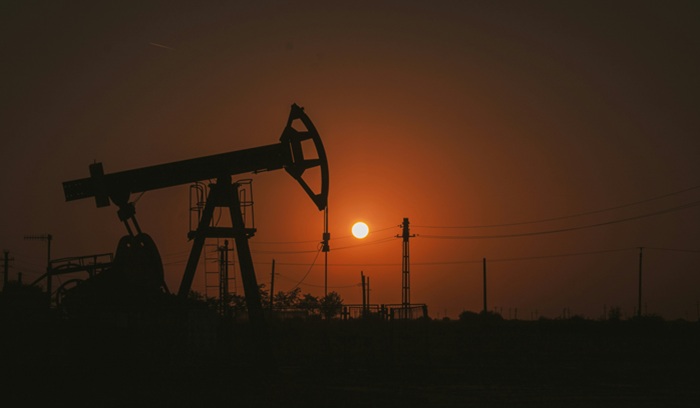
Oil rig at sunset

Guatemala closes massive oil field

Guatemala has permanently closed the Xan oil field in Laguna del Tigre National Park, marking a major shift from fossil fuel extraction to forest protection. The site, once responsible for nearly 90% of the country’s oil production, will now serve as a security base to curb illegal logging, ranching, and trafficking in the Maya Biosphere Reserve. Conservation groups and local communities have welcomed the move, while the government is also investing in renewable energy and new conservation funds. The closure signals hope for safeguarding biodiversity, cultural heritage, and community resilience across Central America’s largest tropical forest.

Dead birds covered in oil

Guyana lawmakers pass bill making companies liable for oil spill damages

The legislation stipulates that responsible parties provide financial assurance to cover spills, conduct regular inspections and audits, and address any issues found.
The legislation stipulates that responsible parties provide financial assurance to cover spills, conduct regular inspections and audits, and address any issues found. It also includes penalties for companies that fail to comply with regulations, including the suspension of licenses to explore and produce oil for those that do not provide the financial assurance required. The bill, which passed with a majority of votes cast in a simple voice vote, is expected to be signed into law by President Irfaan Ali soon.

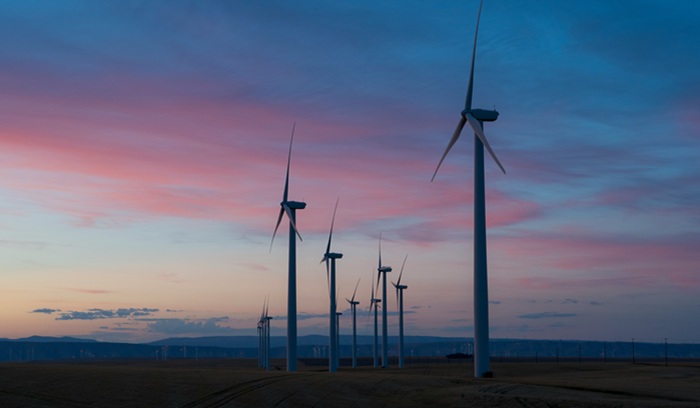
Wind turbines at sunset

Fossil fuels fall below 50% of U.S. electricity for the first time since the 1800s

In a major milestone for climate action, the U.S. hit a new record low for fossil fuels in the electricity mix last month as solar and wind reached a record high, according to new data from global energy think tank Ember. In March 2025, fossil fuels accounted for less than 50% of electricity generated, for the first month on record. The shift meant that clean sources generated more than half (50.8%) of U.S. electricity for the first month on record. 

Offshore oil rig at sunset

Biden permanently bans offshore drilling in 625 million acres of ocean

President Biden has announced an executive action that will permanently ban future offshore oil and gas development in parts of the Atlantic and Pacific oceans in a way that could be especially difficult for the incoming Trump administration to undo. The ban will prevent oil companies from leasing waters for new drilling along the entire East Coast; the eastern Gulf of Mexico; the coasts of Washington, Oregon, and California; and portions of Alaska’s Northern Bering Sea.

Power plant polluting

New York to fine fossil fuel companies $75 billion under new climate law

New York state will fine fossil fuel companies a total of $75 billion over the next 25 years to pay for damage caused to the climate under a bill Governor Kathy Hochul signed into law at the end of 2024.
New York state will fine fossil fuel companies $75 billion over the next 25 years to pay for damage caused to the climate. The new law is intended to shift some of the recovery and adaptation costs of climate change from individual taxpayers to oil, gas, and coal companies. The money raised will be spent on mitigating the impacts of climate change, including adapting roads, transit, water and sewage systems, buildings and other infrastructure. Fossil fuel companies will be fined based on the amount of greenhouse gases they emitted between 2000 and 2018.

sidharth bhatia QstzxTWnXY unsplash scaled e

77% of universities have now pledged to divest from fossil fuels

115 U.K. universities have now pledged to exclude fossil fuel companies from their investment portfolios, following Birmingham City University, Glasgow School of Art, Royal Northern College of Music, and the University of Bradford all incorporating fossil fuel industry exclusions into their Ethical Investment Policies. The divested universities represent 77% of the U.K. Higher Education sector and more than $22 billion USD worth of endowments.