LGBTQ+ rights & well-being

Rob Jetten

Rob Jetten becomes The Netherland’s first openly gay prime minister

In a historic victory for representation and progressive politics, Rob Jetten has been sworn in as the first openly gay Prime Minister of the Netherlands. At 38 years old, the centrist Democrats 66 leader is also the youngest head of government in Dutch history. Jetten successfully formed a minority coalition government following a tense election that defeated far-right populist opponents. His platform prioritizes climate investment, economic fairness, and strong international collaboration. Jetten’s premiership powerfully reaffirms the Netherlands’ global legacy as a pioneer of LGBTQ+ equality and inclusive, cooperative democratic leadership.

Pride flags and celebration

Supreme Court of the Philippines grants property rights to same-sex couples in historic ruling

In a landmark victory for LGBTQ+ rights, the Supreme Court of the Philippines has ruled that same-sex couples can be legally recognized as co-owners of property. This historic decision applies Article 148 of the Family Code to same-sex unions for the first time, ensuring that partners who build a life together have legal protection for their shared assets. While not legalizing marriage, the ruling validates the legitimacy of these relationships and calls on Congress to enact broader protections, setting a progressive precedent for Southeast Asia.

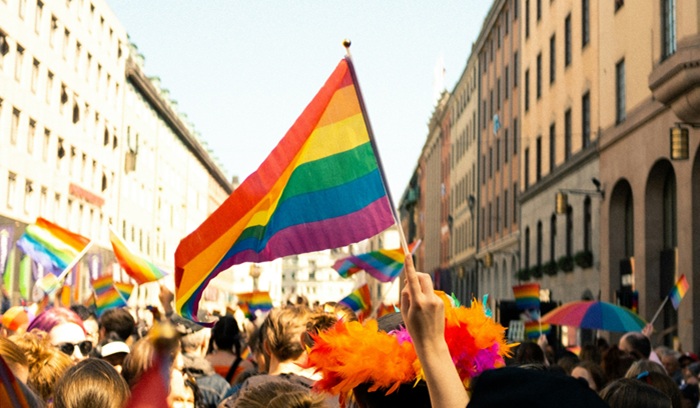
Pride celebration with pride flag in foreground

Top court rules E.U. nations must mutually recognize same-sex marriages

In a landmark victory for equality, the Court of Justice of the European Union has ruled that all member states must recognize same-sex marriages performed legally within the bloc. This decision ensures that couples married in one EU country retain their rights and civil status when moving to another, even if that country does not perform same-sex marriages domestically. This ruling eliminates a major barrier to freedom of movement, securing residency and family rights for LGBTQ+ citizens across Europe.

Aerial view of Santo Domingo

Dominican Republic celebrates historic court win against old anti-gay law

In a historic victory for human rights, the Constitutional Court of the Dominican Republic has struck down a ban on same-sex conduct within the national police and armed forces. This landmark ruling declares that Article 210 of the Police Code and Article 260 of the Armed Forces Code are unconstitutional. By eliminating the threat of prison sentences for LGBTQ+ officers, the court has affirmed the right to equality, privacy, and dignity. This decision aligns the nation with international standards and sets a powerful precedent for future anti-discrimination efforts.

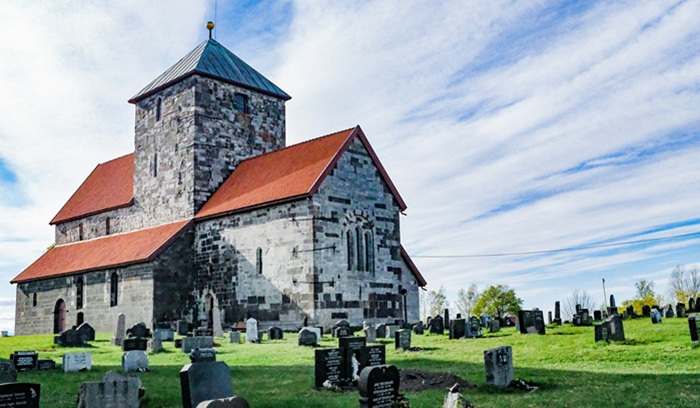
Church in Gran, Norway

Church of Norway issues historic apology to LGBTQ+ community

The Church of Norway has reached a major milestone by issuing a formal apology for its past treatment of LGBTQ+ people. The church acknowledged that its past teachings and institutional practices contributed to the oppression, exclusion, and condemnation of LGBTQ+ members. This historic act of institutional repentance is part of a global wave of reconciliation seen across multiple denominations. This move reinforces the church’s commitment to full inclusivity, serving as an inspirational model for religious bodies worldwide.

Neon Pride Rainbow

South Korea census allows same-sex couples to identify as spouses in “historic” change

South Korea has taken a major step toward equality by officially updating its national census to recognize same-sex couples as spouses. This victory, driven by civil rights advocates, is crucial for improving visibility and ensuring accurate demographic data. This powerful institutional recognition builds momentum for future legal reforms. It sets a progressive model for other nations in East Asia seeking to affirm the dignity of LGBTQ+ citizens in their national frameworks.

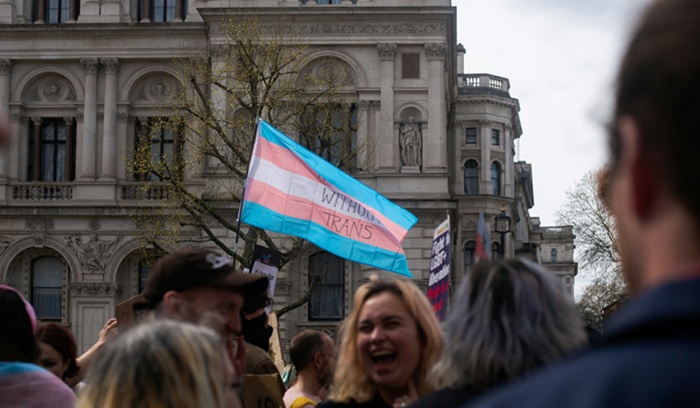
Trans pride flag

Kenyan court orders trans rights bill in landmark legal ruling

Kenya’s Eldoret High Court has issued a historic ruling affirming the rights and dignity of transgender people. The case, brought by activist Shieys Chepkosgei, challenged invasive treatment she endured while in custody, with the court declaring her rights had been violated. Judges awarded damages and, most significantly, ordered Parliament to draft legislation protecting transgender people from discrimination. Advocates call the decision a breakthrough for equality in a country where LGBTQ+ communities face stigma and legal barriers. While challenges remain, the ruling is a hopeful step toward recognition, dignity, and stronger protections for transgender Kenyans.

Vilnius, Lithuania

Lithuania court recognizes same-sex couple in historic ruling

A Vilnius City District Court has for the first time granted state recognition to a same-sex couple in Lithuania, affirming them as a legal family and enabling them to access social and economic benefits tied to family status. Although Lithuania’s Constitution explicitly bans same-sex marriage and the Civil Code restricts civil partnerships to opposite-sex couples, the court’s decision aligns with a landmark April 17, 2025, ruling by the Constitutional Court. That decision declared these restrictions unconstitutional, calling on Lithuania’s Parliament to enact partnership legislation—and, in the meantime, allowing courts to grant recognition.

Boston skyline with Fenway Park in foreground

Massachusetts governor signs new shield law for abortion & trans health care

A new shield law in Massachusetts, signed by Governor Maura Healey, has created a legal sanctuary for reproductive and gender-affirming care. The law protects patients and providers from out-of-state legal attacks, including subpoenas and lawsuits. It builds on previous protections for abortion and now extends the same legal safeguards to transgender healthcare. This measure reinforces the state’s commitment to protecting essential, evidence-based medical care in the face of national legislative challenges.

St. Lucia landscape and coastline

Court strikes down nation of Saint Lucia’s homosexuality ban

For years, the Caribbean island nation’s gross indecency and buggery laws have criminalized same-sex relations, even in private. Under those laws, consensual male homosexuality could be punished with up to ten years’ imprisonment. Even attempting to “commit buggery” could be met with a sentence of five years. Now, the Eastern Caribbean Supreme Court has ruled that the law violates the rights to privacy, life, liberty, security of the person, freedom of expression, protection from discrimination on the basis of sex, and protection of the law.