Education

Hands holding a blank smart phone

Sweden to implement nationwide mobile phone ban in schools

Sweden has implemented a decisive, nationwide ban on mobile phones in schools to enhance student focus and academic performance. This new policy is a strong commitment to creating a distraction-free learning environment. Preliminary data suggests the ban will boost student test scores and significantly improve social skills by encouraging face-to-face interaction. This comprehensive approach serves as a modern blueprint for other nations seeking to protect educational integrity and student mental health.

Children in preschool raising their hands

New Mexico to be first U.S. state to launch universal child care system

A groundbreaking new law in New Mexico is making history by guaranteeing no-cost childcare for all families. This initiative is a strategic investment in the state’s future, designed to boost the economy by enabling parents, particularly mothers, to enter or re-enter the workforce. It also ensures quality by increasing provider pay to a minimum of $18 an hour. This progressive move sets a new national standard, proving that investing in children and families is a powerful path to long-term prosperity.

Australian money

Australia cuts student debt by 20%, easing pressure on millions

Australia will cut student loan balances by 20%, delivering over A$16 billion in relief to three million people. A graduate with an average loan of A$27,600 will see about A$5,520 erased, with changes backdated to June 1, 2025, before a 3.2% inflation adjustment. The law also lifts the repayment threshold to A$67,000 in annual income, easing the burden on lower earners and delaying repayments for many.

Hand holding smart phone

Finland bans smartphones in schools

The Finnish Parliament has approved a law restricting the use of mobile devices by pupils at primary and secondary schools. Pupils will need to get special permission from teachers to use their phones to assist them in studies, to take care of personal health-related matters, etc. Research increasingly indicates that excessive smartphone use in children and adolescents can negatively impact their mental and physical health, academic performance, and social development.

Holding a cell phone|iPhone

Denmark to ban mobile phones in schools and after-school clubs

The Danish wellbeing commission was set up by the prime minister, Mette Frederiksen, in 2023 to investigate growing dissatisfaction among children and young people. Its long-awaited report, published recently, raised the alarm over the digitization of children and young people’s lives and called for a better balance between digital and analog life. Among its 35 recommendations was the need for government legislation banning phones from schools and after-school clubs.

Brazilian Indigenous protest victory

Indigenous protests in Brazil topple law seen as threat to rural schools

After 23 days of protests, Indigenous groups and teachers in the Brazilian state of Pará have successfully pressured Governor Helder Barbalho to revoke a controversial education law that favored online learning in remote communities and slashed benefits for teachers. According to Indigenous leaders and the local teachers’ union, the law eliminated the existing education framework, cut teachers’ incomes, including a transportation allowance for teachers to reach remote communities.

Someone holding a phone opening the TikTok app

Brazil bans smartphones in schools to aim for better learning

Brazil’s Ministry of Education says that the restriction aims to protect students’ mental and physical health while promoting more rational use of technology. Institutions, governments, parents, and others have for years have associated smartphone use by children with bullying, suicidal ideation, anxiety, and loss of concentration necessary for learning. China moved last year to limit children’s use of smartphones, while France has banned smartphones in schools for kids aged six to 15.

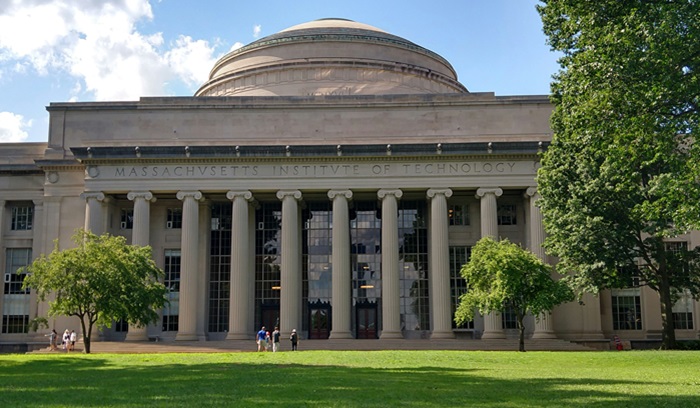
MIT building

MIT will make tuition free for families earning less than $200,000 a year

Families making under $100,000 will not have to pay housing, dining or other fees, and they’ll have an allowance for books and other personal expenses. Families who make Families of students at the Massachusetts Institute of Technology (MIT) making under $100,000 will not have to pay housing, dining, or other fees, and they’ll have an allowance for books and other personal expenses. Families who make more than $200,000 a year can still receive need-based financial aid. Tuition for the 2024-2025 academic year at MIT is nearly $62,000. Housing, dining, and other fees can add up to another $24,000 annually, making it an enormous burden for families or forcing students to go into decades of debt.

Australian money

Australia to slash $10 billion off student debt amid cost of living pressures

Australian Prime Minister Anthony Albanese has said that his government plans to cut student loans for around three million Australians by 20%, wiping off around $10 billion USD in debts. The move builds on May’s budget, which attacked cost of living pressures in Australia and gave debt relief for students, as well as more investment to make medicines cheaper, and a boost to a rent assistance program. The changes would mean the average graduate with a loan of A$27,600 would have A$5,520 wiped, the government said, adding that they would take effect from June 1, 2025.

American money

Biden forgives more student loans: 60,000 borrowers will get notices canceling $4.5 billion in debt

The Biden administration has forgiven another $4.5 billion in student debt for more than 60,000 borrowers. The latest round of relief is a result of the U.S. Department of Education’s fixes to the popular, but once-troubled, Public Service Loan Forgiveness program. President Biden, who has forgiven more education debt than any other president in U.S history, said that the number of borrowers to benefit from the program under his administration now exceeded 1 million.