Consumer rights & well-being

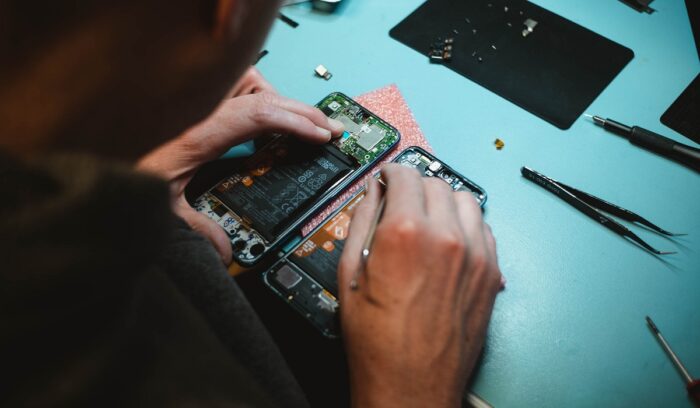
A person repairing a smartphone circuit board for an article about right to repair laws

Right to repair laws have now been introduced in all 50 U.S. states

Right to repair legislation has now been introduced in all 50 U.S. states, marking a historic milestone for the consumer rights movement. In 2025, five states — New York, California, Minnesota, Oregon, and Colorado — passed laws requiring manufacturers to provide independent shops and individual owners with the parts, tools, and documentation needed to fix their own devices and equipment. This matters because it breaks the manufacturer-controlled repair monopoly that has driven up costs, reduced competition, and accelerated electronic waste. The milestone reflects eleven years of broad, bipartisan grassroots organizing — and with active bills in 24 states, momentum is only growing.

Medications, for article on Medicare drug price negotiation

The U.S. negotiates Medicare drug price cuts that will save billions for U.S. citizens

Medicare drug price negotiation just delivered its first results, and the projected savings land at roughly $6 billion a year once new prices take effect in January 2026. After nearly six decades of being legally barred from bargaining with drugmakers, Medicare negotiated discounts on 10 widely used medications, including the blood thinner Eliquis and the diabetes drug Januvia. Some prices dropped by as much as 79%, with the deepest cuts going to drugs that faced the least competition. Around 9 million enrollees use these medications, and a new $2,000 annual cap on out-of-pocket drug costs adds further relief. Beyond the dollars, this shifts what’s politically possible — moving the U.S. closer to how most wealthy democracies have long approached medicine pricing.

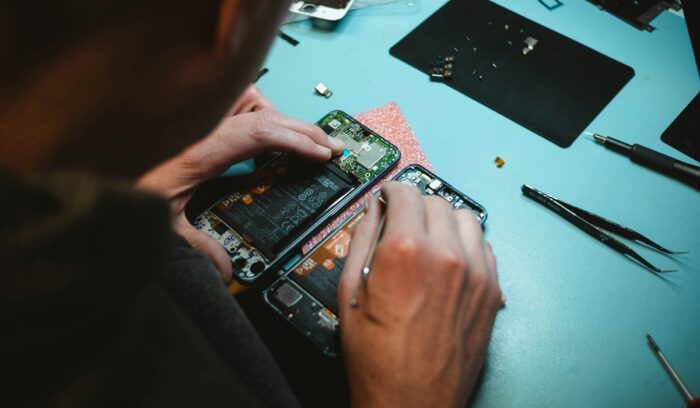
Person repairing smart phone

Oregon governor signs nation’s first right-to-repair bill that bans parts pairing

The law, like those passed in New York, California, and Minnesota, will require many manufacturers to provide the same parts, tools, and documentation to individuals and repair shops that they provide to their own repair teams. But Oregon’s bill goes further, preventing companies from implementing schemes that require parts to be verified through encrypted software checks before they will function.