Circular economy & zero waste

This archive tracks real progress on circular economy and zero-waste efforts worldwide — from packaging redesigns and repair-economy expansions to industrial waste-to-resource programs. More than 155 stories document what’s working, who’s driving it, and how communities and companies are closing the loop on consumption.

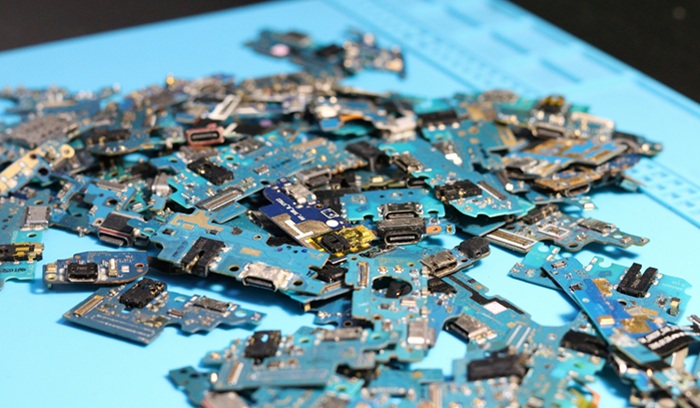
Discarded electronics and circuit boards piled at a waste site, for an article about Malaysia's e-waste ban

Malaysia bans e-waste imports to protect environment and public health

Malaysia’s e-waste ban represents a landmark stand against the country’s exploitation as a dumping ground for discarded electronics from wealthier nations. After becoming a major destination for foreign e-waste following China’s 2018 import ban, Malaysia watched illegal processing operations contaminate soil, waterways, and communities with lead, mercury, and cadmium. The comprehensive prohibition covers computers, televisions, mobile phones, and other discarded devices. Beyond protecting Malaysian communities, the ban pressures exporting nations to take responsibility for their own electronic waste and invest in domestic recycling infrastructure.
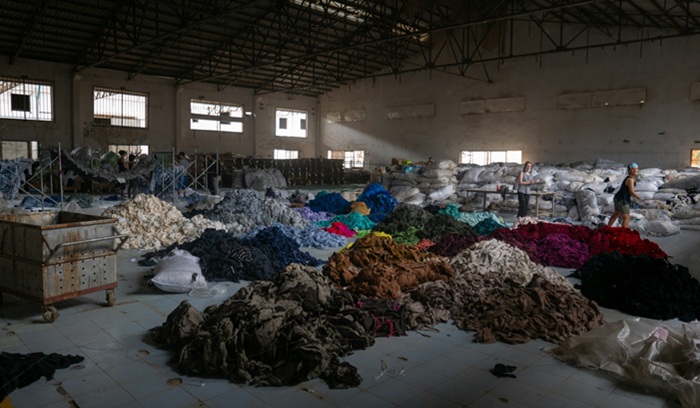
Piles of discarded clothing in a textile recycling facility for an article about the EU textile waste ban

The E.U. now bans fashion brands from destroying unsold clothes

The EU textile waste ban marks a turning point for the global fashion industry. Large fashion companies operating in European markets are now prohibited from incinerating or landfilling unsold clothing and accessories under the Ecodesign for Sustainable Products Regulation. The rule targets a long-standing industry practice of destroying excess inventory to protect brand value — most notoriously exposed when Burberry burned £28 million worth of goods in 2018. Brands must now pursue repair, resale, or donation instead. With 450 million consumers at stake, the regulation gives the EU real leverage to reshape how the fashion industry manages overproduction globally.

A person repairing a smartphone circuit board for an article about right to repair laws

Right to repair laws have now been introduced in all 50 U.S. states

Right to repair legislation has now been introduced in all 50 U.S. states, marking a historic milestone for the consumer rights movement. In 2025, five states — New York, California, Minnesota, Oregon, and Colorado — passed laws requiring manufacturers to provide independent shops and individual owners with the parts, tools, and documentation needed to fix their own devices and equipment. This matters because it breaks the manufacturer-controlled repair monopoly that has driven up costs, reduced competition, and accelerated electronic waste. The milestone reflects eleven years of broad, bipartisan grassroots organizing — and with active bills in 24 states, momentum is only growing.

Consumers embrace Ireland’s first bottle deposit return scheme

Ireland’s bottle deposit scheme has Irish shoppers returning containers at a remarkable clip — monthly returns jumped from 2 million in February 2024 to 111 million by August, totaling 630 million bottles and cans in just eight months. Shoppers get 15 cents back per can and 25 cents per plastic bottle, a small nudge that’s quietly rewired daily habits across a country of just over 5 million people. Train passengers carry their empties home now. Office workers pool refunds like petty cash. As the U.K. and other countries plan their own rollouts, Ireland’s bumpy-but-successful start offers a hopeful template: behavior change at national scale really is possible when the incentives meet people where they already are.

Landfill. A lot of plastic garbage. Environmental problems., for article on plastic waste ban

Bangladesh implements strong measures to eliminate single-use plastic

Data shows Bangladesh generates around 87,000 tons of single-use plastics annually, of which 96% are directly discarded as garbage. Lack of awareness has led to the collection of plastic waste all over the cities, especially near rivers or lakes, where they mix with water and soil, affecting ecosystems and food chains. The new country’s new government has now decided to implement an existing, but unenforced 2001 law by banning all single-use plastics.

Produce aisle at grocery store, for article on California plastic bag ban

California bans all plastic shopping bags at grocery stores

California’s plastic bag ban gets real on January 1, 2026, when even the thicker “reusable” plastic bags that quietly replaced the originals will disappear from grocery stores, pharmacies, and convenience stores statewide. Senator Catherine Blakespear, who authored the bill, put it plainly: those bags were single-use in everything but name. Shoppers will reach for paper or bring their own, and families using CalFresh and similar food assistance won’t pay the paper bag fee. California’s market is huge enough that what happens at its checkout counters tends to ripple outward, nudging manufacturers and other states to rethink their own rules. It’s a small, tangible reminder that closing loopholes — not just passing laws — is where real progress lives.

Legos

Lego plans to make half the plastic in bricks from renewable materials by 2026

The toymaker hopes gradually to bring down the amount of oil-based plastic it uses by paying up to 70% more for certified renewable resin, the raw plastic used to manufacture the bricks, in an attempt to encourage manufacturers to increase production. In the long term, Lego plans to switch entirely to renewable and recycled plastic by 2032, in a green push that has resulted in the company testing more than 600 alternative materials.

Mt. Everest

Chinese drones to transport trash from Nepal’s Mount Everest

Nepal is set to deploy Chinese-made drones to transport garbage from the slopes of Everest, marking the first time unmanned aerial vehicles (UAVs) will be used commercially in the country’s high-altitude zones. This initiative announced by China’s leading drone manufacturer, Da Jiang Innovations aims to reduce the risks faced by Sherpas and improve waste management on the world’s tallest peak.