
World’s first 3D-printed school planned for Madagascar
The school is a pilot project and, looking to the future, Thinking Huts hopes to expand the idea to provide more schools elsewhere in Madagascar, and even throughout in the world.
This archive covers breakthroughs in architecture and design that improve how people live, work, and move through the world. From affordable housing innovations to public spaces that prioritize well-being, these stories highlight built-environment solutions making a measurable difference.
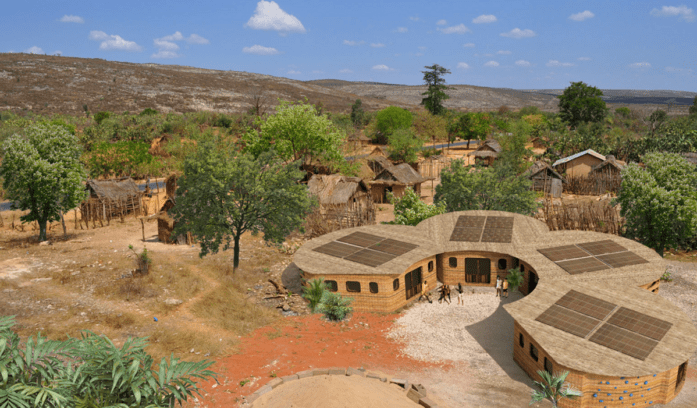
The school is a pilot project and, looking to the future, Thinking Huts hopes to expand the idea to provide more schools elsewhere in Madagascar, and even throughout in the world.
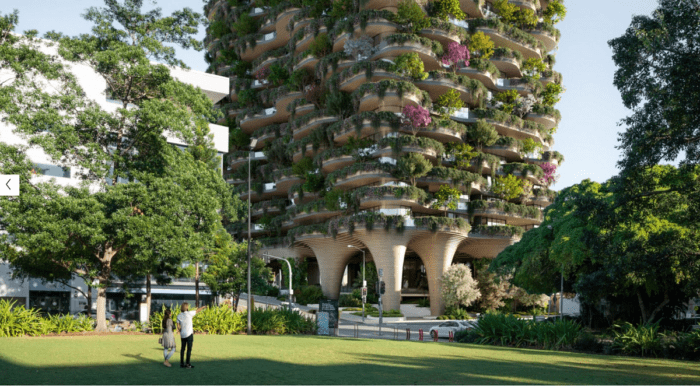
With over 1,000 trees and 20,000 plants on its exterior, the Urban Forest will boast more trees than a nearby park in Brisbane, Australia. The project is hailed as one of the world’s most densely-forested greenery-covered buildings by designer Koichi Takada Architects.
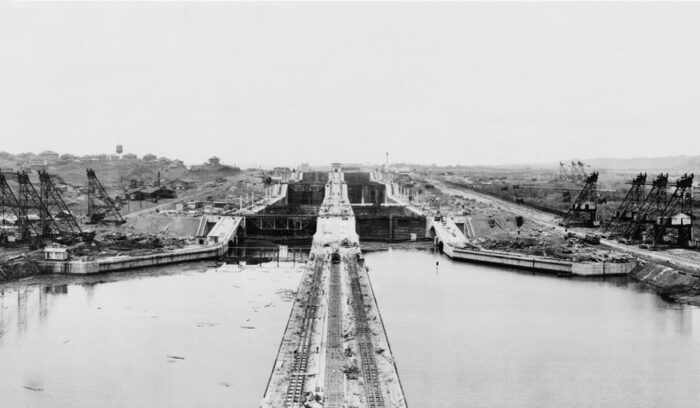
The Panama Canal opened on 15 August 1914, when a ship called the Ancón slipped through 51 miles of freshly cut waterway and shortened the sea route between New York and San Francisco by more than half. Roughly 56,000 workers built it, most from the Caribbean. Four centuries of dreaming, finally made real.
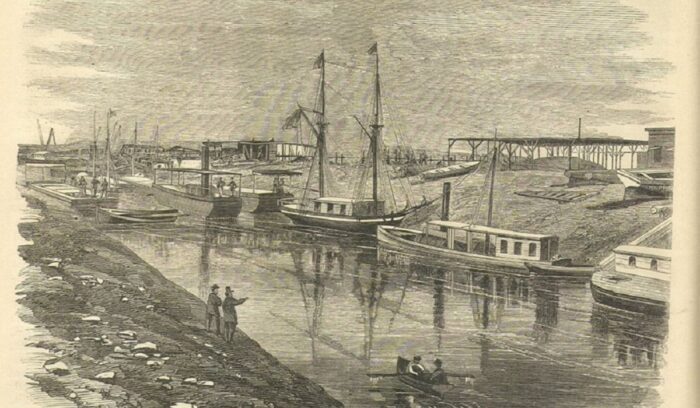
The Suez Canal opened on November 17, 1869, when a convoy of ships threaded 193 kilometers of fresh-cut water between the Mediterranean and the Red Sea. Roughly 1.5 million Egyptian workers had spent a decade moving the earth, many under forced labor. The shortcut reshaped how goods moved between Europe and Asia for generations to come.
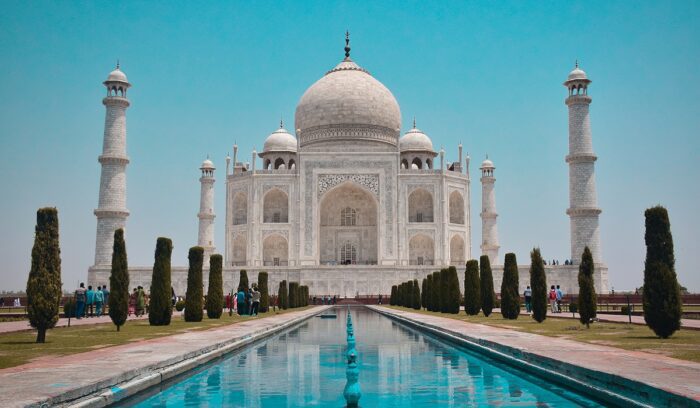
The Taj Mahal complex was completed in 1653, more than two decades after Emperor Shah Jahan began building it in memory of his wife Mumtaz Mahal. Over 20,000 workers and a multinational team of architects, calligraphers, and artisans shaped the white marble mausoleum, gardens, and mosque — a high point of Mughal architecture still drawing millions each year.
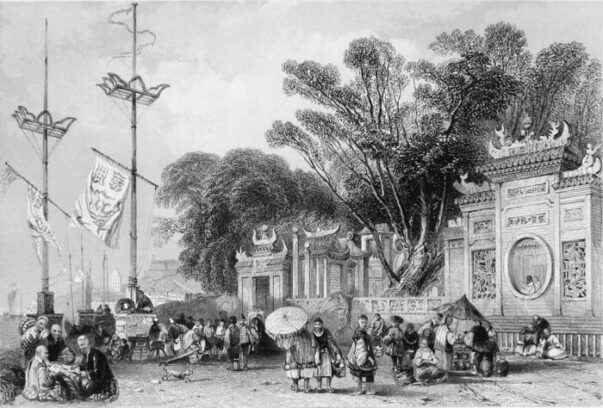
A-Ma Temple rose on the rocky southern tip of the Macau peninsula in 1488, built by Fujianese fishermen and traders who needed somewhere to pray before facing the South China Sea. When Portuguese sailors later asked locals the name of the place, the answer eventually became “Macau.” A working people’s sanctuary, quietly lending its name to a city.
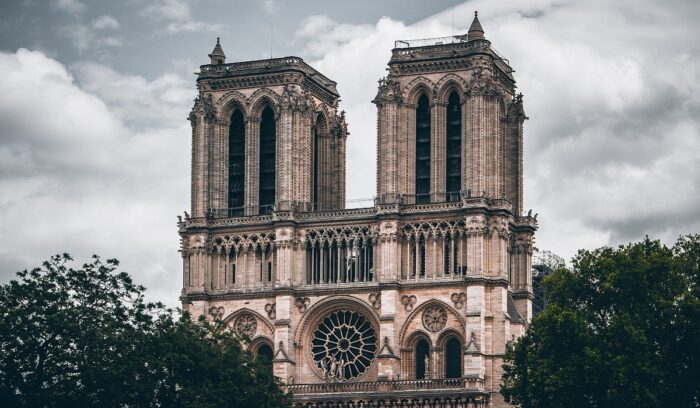
Notre Dame’s cornerstone was laid on a spring day in 1163, on a small island in the Seine, with King Louis VII and Pope Alexander III looking on. Bishop Maurice de Sully had chosen a young, still-evolving style called Gothic. Nearly a century later, the finished cathedral would help define how Europe built for the next 300 years.
Borobudur rose on Java’s Kedu Plain in the 8th century, a nine-tiered mountain of andesite stone commissioned by the Buddhist Sailendra Dynasty. Pilgrims walk upward through 1,460 narrative relief panels and past 504 Buddha statues, ascending symbolically from the world of desire toward the formless. Twelve centuries on, it still holds that pilgrimage in stone.
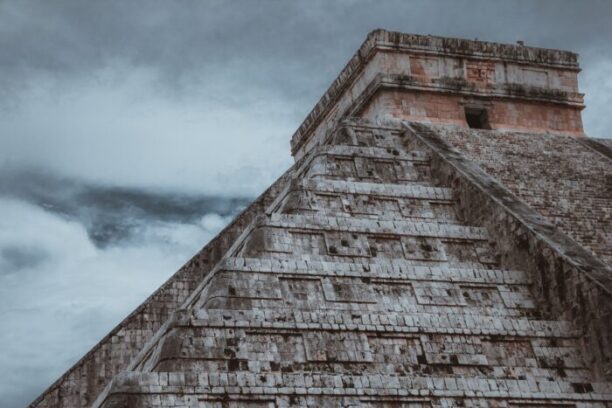
The Pyramid of Kukulcan rose at Chich’en Itza between 800 and 900 C.E., built by Maya hands as both temple and working calendar. Its four staircases hold 91 steps each, plus the top platform — 365 in all, one for every day of the solar year. A civilization writing mathematics into stone.
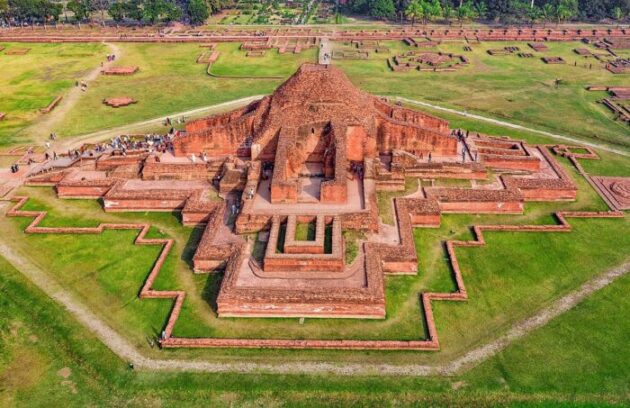
Somapura Mahavihara, completed in the late 8th century in what’s now Bangladesh, was one of the ancient world’s great centers of learning. Spread across 11 hectares with 177 monks’ cells, it drew students from as far as Tibet. Its terraced, cruciform temple would echo in Buddhist monuments from Java to Cambodia.