
Curated by Peter Schulte · Published 2026-08-19 · Last updated 2026-08-19
The world has never been safer for children than it is right now.
Global child deaths fell to 4.9 million in 2022 — roughly half the toll of 2000. Extreme child poverty dropped by nearly 100 million children in a single decade. Measles vaccines alone have prevented an estimated 19.5 million deaths across Africa since 2000.
These are not flukes. They reflect compounding investments: vaccines reaching the most remote counties, legal rights replacing administrative promises, and countries across every income level closing the gaps that once made childhood a lottery.
The 41 stories collected here document that momentum — from Sierra Leone’s first neonatal ICU to Zambia’s free-education law, from Botswana’s near-elimination of mother-to-child HIV to New Mexico’s universal child care guarantee. Taken together, they make the case that child well-being gains are accelerating, not stalling.
Key takeaways
- Global child deaths hit a record low of 4.9 million in 2022 — half the number recorded in 2000.
- Extreme child poverty fell by nearly 100 million children between 2014 and 2024, led by South Asia.
- Measles vaccines have prevented ~19.5 million deaths in Africa alone since 2000.
- Countries from Bolivia to Colombia to Sierra Leone are banning child marriage and enshrining protections in law.
- New programs — from New Mexico’s universal child care to Detroit’s cash-for-mothers pilot — are proving that targeted policy delivers fast results.
Recovery at a glance
| Subject | Recovery | Where |
|---|---|---|
| Global child mortality | Record low of 4.9 million deaths in 2022 — half the 2000 toll | Worldwide |
| Extreme child poverty | Down ~100 million children in one decade to 412 million | Worldwide (South Asia led) |
| Measles vaccines | ~19.5 million deaths prevented since 2000 | Africa |
| Botswana — mother-to-child HIV | Transmission rate from 40% to below 1% since 1999 | Botswana |
| Maldives | First country to achieve triple elimination of mother-to-child HIV, syphilis & hepatitis B | Maldives |
| Childhood pneumonia deaths | Cut roughly in half since 2009 | Worldwide |
| Cameroon malaria vaccine | 67,000 fewer child malaria cases; 20% drop in year one | Cameroon |
| RSV antibody nirsevimab | 86% drop in infant RSV hospitalizations | Spain |
| Finland teen abortion rate | Down 66% over two decades via free contraception | Finland |
| Sierra Leone NICU | First-ever neonatal ICU opened in Freetown | Sierra Leone |
| Zambia free education law | Free education enshrined as legal right for 2.6 million children | Zambia |
| North Korea immunization | 4 million+ doses, all 210 counties reached simultaneously | North Korea |
| New Mexico universal child care | First U.S. state to guarantee no-cost child care for all families | USA |
| Colombia child marriage ban | Banned after 17-year campaign and 8 earlier defeats | Colombia |
| Denmark | First EU country to eliminate mother-to-child HIV and syphilis | Denmark |
| Detroit RxKids | $1.4 million in free cash to new mothers in first month | USA |
On this page
- Why this matters
- What’s driving the comeback
- Child survival: mortality, vaccines, and infectious disease
- Maternal and newborn care: closing the gaps at birth
- Eliminating mother-to-child disease transmission
- Child well-being through nutrition, education, and essential services
- Medical breakthroughs for children: gene therapy, fetal surgery, and prevention
- Child protection: ending child marriage, safeguarding online, and legal rights
- Reproductive rights and family policy: expanding access and choice
- More wildlife comebacks
- The outlook
- Frequently asked questions
Why this matters
The decline in child mortality is the most important humanitarian trend of the past 25 years — and it is still accelerating. A child born today is roughly twice as likely to survive to age five as one born in 2000, and that shift reflects compounding gains across vaccines, nutrition, skilled birth attendance, and basic sanitation.
What makes the current moment distinctive is that health gains are being locked in through law. Zambia’s free-education guarantee, Bolivia’s absolute child-marriage ban, and France’s constitutional abortion right all convert fragile policy into enforceable entitlement — meaning future governments cannot quietly reverse them.
The breadth of progress is equally striking. These wins span every income level: the Maldives achieving a world-first triple disease elimination, a U.S. state offering universal child care, a Spanish region cutting infant RSV hospitalizations by 86%. The geography of child well-being improvement has never been wider.
By the numbers
- 4.9 million — global child deaths in 2022, the lowest ever recorded and roughly half the 2000 toll
- 412 million children still live in extreme poverty (under $2.15/day), down from 507 million in 2014
- 19.5 million measles deaths prevented in Africa since 2000 — ~800,000 lives saved per year
- Botswana cut mother-to-child HIV transmission from 40% in 1999 to below 1% today
- Finland’s free contraception program cut the teen abortion rate by 66% over roughly two decades
- Cameroon’s malaria vaccine produced ~67,000 fewer child cases in year one — a 20% reduction
- Colombia’s child-marriage ban passed after a 17-year campaign and 8 previous legislative defeats
What’s driving the comeback
The single biggest driver of child survival gains is systematic immunization — not just the science but the funding architecture behind it. The $1.5 billion fund that guaranteed pneumococcal vaccine supply for low-income countries cut childhood pneumonia deaths in half; North Korea’s UNICEF-backed campaign reached all 210 counties simultaneously with four million doses. Scale and predictability matter as much as the vaccine itself.
Eliminating mother-to-child disease transmission has proven achievable at scale when countries commit to three basics: universal screening, free treatment, and community health worker follow-through. Botswana, Denmark, the Maldives, and the Bahamas each followed a version of this playbook and each earned WHO validation. The model is replicable.
Legal reform is the underrated driver. Child-marriage bans in Colombia, Bolivia, Sierra Leone, and Zambia don’t just change behavior — they shift social norms and create accountability mechanisms. Similarly, Zambia’s free-education law and New Mexico’s universal child-care guarantee are structurally different from programs: they create rights that outlast political cycles.
Targeted cash and nutrition programs are emerging as a fast-acting complement to systemic reform. Detroit’s RxKids distributed $1.4 million directly to new mothers in its first month; Indonesia’s free meal program is scaling toward 90 million beneficiaries. These interventions address the material conditions — hunger, poverty — that undermine every other gain.
Child survival: mortality, vaccines, and infectious disease
The most dramatic gains in child well-being have come from sustained, systematic attacks on the diseases that once killed children by the millions. What unites these stories is that none of the victories was accidental — each required a funding model, a delivery infrastructure, and political will maintained over years or decades, not just a scientific breakthrough.

Global child mortality hits an all-time record low
Child deaths worldwide fell to 4.9 million in 2022 — the lowest number ever recorded and roughly half the toll from the year 2000. The gains came from decades of unglamorous, consistent work: vaccines, bed nets, oral rehydration, skilled midwives, and community health workers. The milestone represents one of the largest sustained reductions in preventable death in human history.
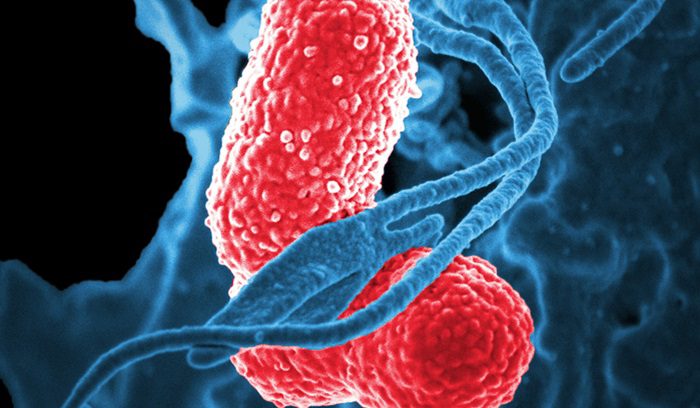
Childhood pneumonia deaths cut in half since 2009
Pneumonia deaths among children have been slashed by roughly 50% since 2009, when a new vaccine funding model helped deliver pneumococcal vaccines to 438 million children across 64 countries. The breakthrough was not just the science — a $1.5 billion fund guaranteed supply for lower-income countries, making scale possible. The model offers a replicable template for other childhood diseases.

Nearly 20 million measles deaths averted in Africa since 2000
An estimated 19.5 million deaths have been prevented by measles vaccination across Africa since 2000 — roughly 800,000 lives saved every year for nearly a quarter century. A WHO and Gavi analysis credits consistent investment in cold-chain systems, community health workers, and political will. The figure underscores what sustained immunization infrastructure can accomplish at continental scale.

North Korea’s nationwide immunization campaign reaches all 210 counties
North Korea launched what UNICEF called a major milestone: a vaccination campaign covering all 210 counties simultaneously, with pregnant women included alongside children for the first time. More than four million doses arrived in July 2024 to jumpstart the effort. The campaign marks a significant reopening of the country’s public health infrastructure to international support.

Cameroon’s malaria vaccine cuts child cases by 20% in year one
In its first year of rollout across 42 high-burden districts, Cameroon’s malaria vaccine produced nearly 67,000 fewer malaria cases among children under five — a 20% drop compared to 2023. Cameroon was among 13 African countries to introduce the long-awaited vaccine as part of a coordinated continental push. The result offers early evidence that the vaccine delivers meaningful real-world impact at scale.

RSV antibody cuts infant hospitalizations by 86% in Spain
A single long-acting antibody called nirsevimab, given to every infant in one Spanish region, reduced RSV hospitalizations by 86% compared to previous seasons. Babies under six months — the group hardest hit by RSV each winter — saw the largest benefit. The study from Valladolid University provides some of the strongest real-world evidence yet for the intervention’s protective power.

Global extreme child poverty drops 18% as South Asia leads the way
Extreme child poverty fell by nearly 100 million children over the past decade, with approximately 412 million children living on under $2.15 a day in 2024, down from 507 million in 2014. South Asia drove the largest share of the reduction. The World Bank research marks the gain as one of the most significant improvements in children’s material circumstances in a generation.
Maternal and newborn care: closing the gaps at birth
The period around birth remains the most dangerous in a child’s life — and in many places, in a mother’s life too. These stories share a common pattern: each targets the specific moment or gap where mortality risk is highest, whether through new clinical infrastructure, expanded legal protections for providers, or dedicated leave for vulnerable families.

Sierra Leone opens its first-ever neonatal intensive care unit
Sierra Leone — home to one of the world’s highest newborn mortality rates — opened its first neonatal intensive care unit at Ola During Children’s Hospital in Freetown. The NICU gives premature and critically ill newborns access to incubators, oxygen support, and specialized care that previously did not exist in the country. The opening marks a historic turning point for neonatal survival in one of the most under-resourced health systems in the world.

Virginia grants nurse-midwives the right to practice independently
Virginia eliminated its physician supervision requirement for certified nurse-midwives, allowing them to practice independently for the first time. The change directly addresses a critical gap in maternity care, particularly in rural counties where obstetric services are scarce or entirely absent. Expanding the midwifery workforce is widely seen as one of the most practical levers for reducing maternal and infant mortality in underserved areas.

Colorado becomes the first U.S. state to offer paid neonatal care leave
Colorado passed a first-in-the-nation law guaranteeing paid leave specifically for parents of premature or critically ill newborns. The benefit provides up to 12 additional weeks of paid time off on top of standard family leave. The policy closes a gap that previously forced parents of the most vulnerable newborns to choose between income and care.

Scientists find the first biomarker to detect babies at risk of SIDS
Australian researchers have identified the first biological signal present at birth that distinguishes infants at elevated risk of sudden infant death syndrome. Babies who died of SIDS had measurably lower levels of a specific enzyme, offering a potential screening pathway for the first time. The discovery breaks open a mystery that has resisted explanation for generations.

Detroit RxKids delivers $1.4 million in free cash to new mothers in its first month
Detroit’s RxKids program distributed $1.4 million to pregnant women and new mothers across one of America’s most economically strained cities in its first month of citywide operation. Designed by Flint water crisis whistleblower Dr. Mona Hanna-Attisha, the program provides direct cash to address the material conditions that drive poor maternal and infant outcomes. The rapid scale-up demonstrates that unconditional cash transfer models can move quickly when organizational infrastructure is in place.

Chile’s maternity leave reform boosted mothers’ employment with no wage penalty
After Chile doubled its postnatal leave from 12 to 24 weeks in 2011, eligible mothers were 6.8 percentage points more likely to remain employed — with no wage penalty observed. The reform delivered something policymakers rarely achieve: a sustained employment boost alongside improved family well-being. The findings challenge the common assumption that generous maternity leave comes at a career cost.
Eliminating mother-to-child disease transmission
A quiet global campaign to eliminate HIV, syphilis, and hepatitis B transmission from mothers to newborns is producing a string of WHO-validated national milestones. The common formula — universal screening, free treatment, and community follow-through — has proven replicable across radically different health systems, from the Maldives to Botswana to Denmark.

Botswana cuts mother-to-child HIV transmission from 40% to below 1%
Botswana reduced mother-to-child HIV transmission from 40% in 1999 to below 1% today, with seven health districts recording zero cases in 2021. The country built its success on three pillars: free testing, free antiretroviral treatment, and community health workers. The transformation represents one of the most complete reversals of a disease transmission pathway ever documented.

Maldives becomes the first country to achieve triple disease elimination
The Maldives earned WHO validation in October 2025 as the first country in the world to eliminate mother-to-child transmission of HIV, syphilis, and hepatitis B simultaneously. The milestone is especially notable given the Maldives’ geography — a dispersed archipelago nation — making equitable health access structurally more complex. The achievement sets a benchmark for what integration of antenatal screening and treatment can accomplish.

Denmark becomes the first EU country to eliminate mother-to-child HIV and syphilis
Denmark received WHO validation as the first European Union country to eliminate mother-to-child transmission of both HIV and syphilis. Every pregnant person in Denmark receives routine screening for both infections, with treatment integrated into standard antenatal care. The achievement demonstrates that elimination is achievable even in countries without the extreme burden that initially drove the global push.

The Bahamas eliminates mother-to-child HIV transmission
The Bahamas became the 12th country or territory in the Americas certified by WHO for eliminating mother-to-child HIV transmission, meaning babies born there now enter the world free of the virus by design. The country built this outcome through systematic antenatal testing and treatment protocols. The certification marks the Bahamas as part of a growing regional bloc of countries that have solved this problem entirely.
Child well-being through nutrition, education, and essential services
Access to food, school, and basic services determines whether survival translates into a thriving childhood. These stories reflect a shared policy logic: governments are increasingly treating nutrition, education, and child care not as discretionary benefits but as legally enforceable rights — a shift that makes gains far harder to reverse.

Zambia signs free education into law, protecting access for 2.6 million children
Zambia’s President Hichilema signed legislation transforming free education from an administrative policy into an enforceable legal right for 2.6 million children. The change means future governments cannot quietly undo the commitment without repealing a parliamentary law. It is among the most durable mechanisms a country can use to protect educational access for the long term.

England to extend free school meals to 500,000 more children
England announced an expansion of free school meals that will reach 500,000 additional children from low-income families starting September 2026. The change removes the existing income cap for Universal Credit households, meaning any family receiving the benefit qualifies regardless of earnings. The expansion represents one of the largest single extensions of the program in recent years.

Indonesia launches a free meal program targeting nearly 90 million people
Indonesia’s free meal program began in January 2025 by serving nutritious meals — rice, vegetables, tempeh, chicken, and fruit — to students at a school outside Jakarta, with plans to scale to nearly 90 million beneficiaries by 2029. The program targets children and pregnant women as its primary recipients. At full scale, it would represent one of the largest school nutrition programs ever attempted.

New Mexico becomes the first U.S. state to guarantee universal child care
New Mexico became the first state in the nation to guarantee no-cost child care to every family regardless of income, with the policy taking effect November 1, 2025. Governor Michelle Lujan Grisham announced the milestone as the culmination of a six-year effort. The guarantee is structurally significant because it extends to all families — not just those below a specific income threshold.

Tennessee becomes the first U.S. state to provide children’s diapers through Medicaid
Tennessee launched the first Medicaid diaper program in the United States, providing families with 100 free diapers per month for every child under two enrolled in the program. Advocates estimate the program will deliver close to 100 million diapers a year to families in need. The initiative addresses a basic material need that affects infant health and parental workforce participation.

Colorado voters fund mental health care with a new dedicated revenue stream
Colorado voters approved Proposition MM, which caps itemized tax deductions for high earners and directs roughly $100 million annually toward behavioral health services. The measure funds mental health treatment, substance use recovery, and crisis services — including programs that serve children and young people. By creating a dedicated funding stream, voters insulated these services from year-to-year budget pressures.
Medical breakthroughs for children: gene therapy, fetal surgery, and prevention
A new generation of medical interventions is moving the frontier of what is treatable in childhood — and in some cases, before birth. What distinguishes these stories from earlier breakthroughs is the specificity of the targeting: these are not broad therapies but precise interventions matched to individual biological vulnerabilities.

Gene therapy cures a toddler of a previously fatal brain disease
Nineteen-month-old Teddi Shaw became the first NHS patient cured of metachromatic leukodystrophy — a rare, fatal nervous system disease — through a single infusion of a gene therapy called Libmeldy at Royal Manchester Children’s Hospital. After treatment, she was running, chattering, and developing normally. The case marks a milestone for gene therapy as a curative — not merely palliative — intervention for rare pediatric diseases.

World-first stem cell trial treats spina bifida before birth
A clinical trial at UC Davis Health is applying a stem cell patch directly to a fetus’s spine during pregnancy to support nerve repair in spina bifida — a condition where nerve damage accumulates in the womb before birth. Until this trial, medicine could only respond to that damage after delivery. The approach represents a fundamental shift in the timeline of intervention for a major congenital condition.

Finland’s free contraception cuts teen abortion rate by 66%
Finland’s teen abortion rate dropped by 66% over roughly two decades after municipalities integrated no-cost birth control into existing youth health clinics. The shift was structural rather than behavioral: removing cost and stigma from the same encounter where teenagers already sought health care. It ranks as one of the steepest declines in adolescent abortion rates ever recorded in a high-income country.

England makes the morning-after pill free at nearly 10,000 pharmacies
England removed the cost barrier to emergency contraception starting October 2025, making the morning-after pill available free at nearly 10,000 community pharmacies without requiring a GP appointment. The change targets the time-sensitivity of emergency contraception, where delays caused by cost or access can determine outcomes. The policy is expected to reduce unintended pregnancies, particularly among younger women.
Child protection: ending child marriage, safeguarding online, and legal rights
Legal protection of children is advancing on multiple fronts simultaneously — through child-marriage bans, digital safety laws, and courts holding platforms accountable. These stories share a recognition that rights on paper require enforcement mechanisms, and that the most durable protections are those backed by criminal penalties, constitutional status, or judicial rulings.

Bolivia bans child marriage with no exceptions
Bolivia enacted Law No. 1639, setting 18 as the absolute minimum age for marriage and civil unions with no exceptions. The previous law allowed marriage at 16 or 17 with parental or judicial approval — a loophole advocates said was routinely exploited. Bolivia joins a growing regional movement in Latin America toward absolute bans rather than age-with-exceptions frameworks.

Zambia closes the loophole leaving girls in customary marriages unprotected
Zambia’s 2023 law amendment ended a gap that left girls in customary marriages with no minimum age protection, at a time when nearly one in three Zambian women aged 20–24 had married before turning 18. The amendment voids any marriage involving someone under 18. It represents a direct response to the evidence that existing protections were failing the most vulnerable girls.

Sierra Leone makes child marriage a serious crime with a 15-year minimum sentence
Sierra Leone enacted the Prohibition of Child Marriage Act, making it a serious crime to arrange the marriage of a girl under 18, with anyone convicted facing at least 15 years in prison. President Julius Maada Bio signed the law alongside First Lady Fatima Bio, who led the campaign. The criminal penalty is among the most stringent attached to a child-marriage ban anywhere in the world.

Colombia outlaws child marriage after a 17-year campaign and 8 defeats
Colombia banned marriage for anyone under 18, ending a 137-year-old loophole that had allowed minors to wed with a parent’s signature. The law passed after a 17-year campaign led by congresswoman Jennifer Pedraza, surviving eight earlier legislative defeats. The persistence of the campaign, and its eventual success, illustrates how long durable legal change can take — and what it requires.

Australia bans social media for children under 16, with fines up to AUD $50 million
Australia passed a social media ban for children under 16, placing responsibility on platforms rather than families — with fines reaching AUD $50 million for companies that repeatedly allow underage users through. The law passed with strong cross-party support and gives major platforms a defined period to build age-verification systems. It is among the most stringent platform-accountability laws for child protection enacted anywhere.

New Jersey bans student phones all day in a landmark school law
New Jersey enacted a sweeping law requiring all K–12 public schools to adopt phone-free policies before the 2025–26 school year, affecting nearly 1.4 million students. Students must store devices in pouches, lockers, or designated areas throughout the school day. The state joined a growing number of governments concluding that removing phones from classrooms requires legislative mandate, not just school-level discretion.

Brazil bans smartphones in schools nationwide, with early results emerging
Brazil’s nationwide school smartphone ban is backed by Stanford-led research showing early impact: in surveys of more than 3,000 students, teachers, and administrators across all 26 states, 83% of students reported paying more attention in class since the ban took effect. The scale of Brazil’s rollout — covering one of the world’s largest school systems — gives the policy unusual evidential weight. The data offer early support for the proposition that phone-free schools improve student engagement.

Los Angeles jury holds Meta and YouTube liable for harming children’s mental health
A Los Angeles jury found Meta and YouTube legally responsible for psychological harm to young users — the first time a U.S. jury has held major social media platforms liable for mental health damage to minors. Attorneys successfully argued that the platforms’ design choices, not just the content on them, caused harm. The verdict sets a precedent that could reshape how platform liability for child harm is litigated across the country.

EPA sets a 10-year deadline to replace all lead pipes in the U.S.
The EPA’s new rule requires every utility to find and replace lead pipes in roughly nine million American homes within 10 years, backed by $2.6 billion in fresh funding. The policy represents a dramatic shift from previous timelines that stretched 40 or more years. Lead pipe replacement is a direct child health intervention: lead exposure at low levels causes irreversible cognitive harm in young children.
Kentucky bans conversion therapy on LGBTQ+ minors statewide
Kentucky Governor Andy Beshear signed an executive order banning the use of conversion therapy on every minor seeing a licensed mental health professional in the state, taking effect immediately. The order also blocks state and federal funding from supporting the practice. Kentucky’s action is notable because it used an executive order to achieve protections that have faced legislative resistance in many states.

Italy’s top court rules both same-sex mothers must appear on birth certificates
Italy’s Constitutional Court ruled that both women in a same-sex couple must be legally recognized as parents of children conceived abroad through assisted reproduction, requiring both names on birth certificates. The decision closes a gap that had left children in legal limbo, without full formal recognition of one of their parents. The ruling is significant in Italy’s legal and political context, where same-sex parental rights have faced sustained political opposition.
Reproductive rights and family policy: expanding access and choice
Behind every healthy child is a set of decisions made by parents — decisions that are only genuinely available when reproductive health care is accessible, affordable, and legally protected. These stories document a parallel track of progress: expanding the services and rights that allow families to plan, to choose, and to be supported when circumstances are difficult.

France becomes the first country to enshrine abortion rights in its constitution
France’s parliament, gathered at Versailles, voted 780 to 72 to embed a constitutional guarantee of the freedom to abortion — making France the first country anywhere to give abortion rights this level of legal protection. The amendment uses the word ‘freedom’ rather than ‘right,’ language Prime Minister Macron called deliberately strong. The vote came in direct response to the U.S. Supreme Court’s Dobbs decision and the renewed global debate it triggered.

Miami-Dade launches one of the largest electric school bus fleets in the U.S.
Miami-Dade County schools are rolling out 100 electric school buses, funded through a $19.1 million EPA grant, a Volkswagen settlement award, and the district’s own early investment. The fleet eliminates diesel exhaust from daily commutes for thousands of students — a direct air-quality and child health intervention. It is among the largest electric school bus deployments by a single district in the country.
More child well-being stories

Sierra Leone bans child marriage
The outlook
The trajectory is unambiguously positive, but the pace of improvement is uneven. Countries with the highest baseline child mortality — including Sierra Leone, which just opened its first neonatal ICU — still face the steepest climb, and infrastructure gaps mean that individual facilities carry enormous weight.
The legal and policy wave is perhaps the most durable reason for optimism. Rights enshrined in constitutions and statutes persist through election cycles. The question is whether implementation follows legislation — and whether countries with new laws build the enforcement and funding mechanisms to make them real.
The stories here also reveal a growing understanding that child well-being is indivisible: you cannot address mortality without addressing poverty, or protect children online without holding platforms legally accountable. The wins are most durable when they connect across systems rather than treating each problem in isolation.
Frequently asked questions
How many child deaths occur worldwide each year?
Global child deaths fell to 4.9 million in 2022 — the lowest number ever recorded. That figure is roughly half the toll from the year 2000, representing one of the most significant public health achievements in history. The gains were driven by vaccines, skilled birth attendants, oral rehydration therapy, and community health worker programs.
How has child poverty changed globally?
Extreme child poverty fell by nearly 100 million children between 2014 and 2024, according to World Bank research. Approximately 412 million children were living on under $2.15 a day in 2024, down from 507 million in 2014. South Asia led the reduction. Significant gaps remain, particularly in sub-Saharan Africa.
Which countries have eliminated mother-to-child HIV transmission?
Several countries have received WHO certification for eliminating mother-to-child HIV transmission. As of 2025–2026, these include Botswana (which reduced transmission from 40% in 1999 to below 1%), the Maldives (the first to achieve triple elimination of HIV, syphilis, and hepatitis B), Denmark (first EU country to eliminate both HIV and syphilis), and the Bahamas (the 12th in the Americas). The common formula is universal antenatal screening combined with free antiretroviral treatment.
What is driving progress in child well-being worldwide?
The main drivers are systematic immunization at scale, legal reform (child-marriage bans, education guarantees), elimination of mother-to-child disease transmission through universal screening and treatment, expanded nutrition programs, and targeted cash transfers to families. Legal protection is increasingly recognized as crucial: rights enshrined in law are far harder to reverse than administrative programs.
How did Finland reduce teenage abortions?
Finland cut its teen abortion rate by 66% over roughly two decades by integrating free contraception into existing youth health clinics — removing both cost and stigma in a single step. The intervention worked because it met teenagers where they already sought care, rather than requiring a separate visit or out-of-pocket payment. It ranks as one of the steepest declines in adolescent abortion rates ever recorded in a high-income country.
Are school smartphone bans actually working?
Early evidence is promising. In Brazil, surveys of more than 3,000 students, teachers, and administrators across all 26 states found that 83% of students reported paying more attention in class after the nationwide ban took effect. New Jersey enacted a statewide mandate affecting nearly 1.4 million students. Both cases reflect a growing consensus among policymakers that voluntary school-level policies are insufficient and that legislative mandates are needed to achieve consistent results.
About this article
🤖 This article is AI-generated, based on a framework created by Peter Schulte.
🌍 It aims to be inspirational but clear-eyed, accurate, and evidence-based, and grounded in care for the Earth, peace and belonging for all, and human evolution.
💬 Leave your notes and suggestions in the comments below — I will do my best to review and implement where appropriate.
✉️ One verified piece of good news, one insight from Antihero Project, every weekday morning. Subscribe free.
