Water pollution

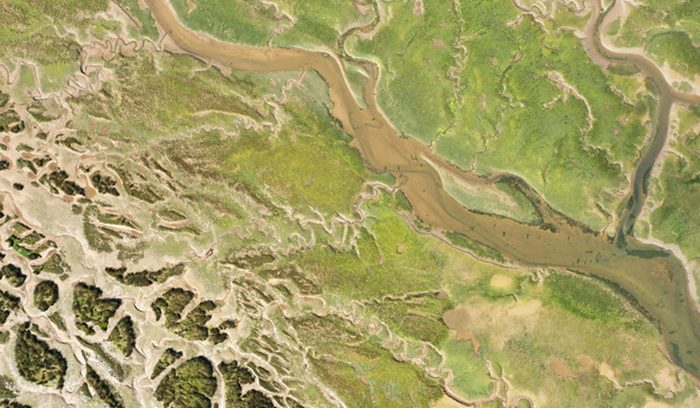
Aerial view of the Yangtze River winding through green hills for an article about the Yangtze fishing ban

China’s Yangtze River fishing ban brings endangered species back from the edge

Yangtze fishing ban results are confirming what conservationists hoped: bold intervention can reverse decades of freshwater destruction. Since China’s 10-year commercial moratorium took effect in 2021, fish populations across the river basin are rising, critically endangered species including the finless porpoise and Yangtze sturgeon are reproducing again, and dozens of native fish have reappeared after years of absence. Roughly 300,000 displaced fishers were retrained and many now serve as river patrol officers, turning local knowledge into conservation power. The recovery offers the clearest real-world evidence yet that sustained, large-scale protection can heal even severely damaged freshwater ecosystems.
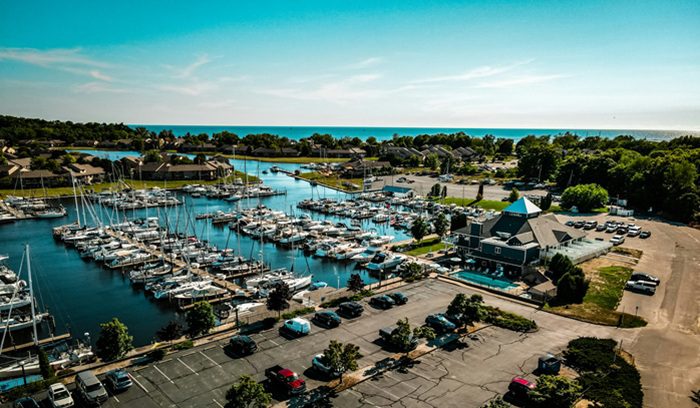
A calm freshwater lake at golden hour for an article about Lake Muskegon Great Lakes cleanup

Lake Muskegon is removed from federal pollution list after 40 years of Great Lakes cleanup

Lake Muskegon in Michigan has been officially removed from the U.S. EPA’s Areas of Concern list, making it one of the few Great Lakes sites to fully achieve this designation in four decades. State and federal officials confirmed the lake resolved all nine of its identified environmental impairments, from toxic sediment to unsafe fishing conditions. An 4 million federal investment through the Great Lakes Restoration Initiative drove large-scale dredging and habitat restoration. Native fish populations are returning, and residents can now safely fish and swim. With 25 sites still remaining, Muskegon proves sustained commitment can reverse serious ecological damage.

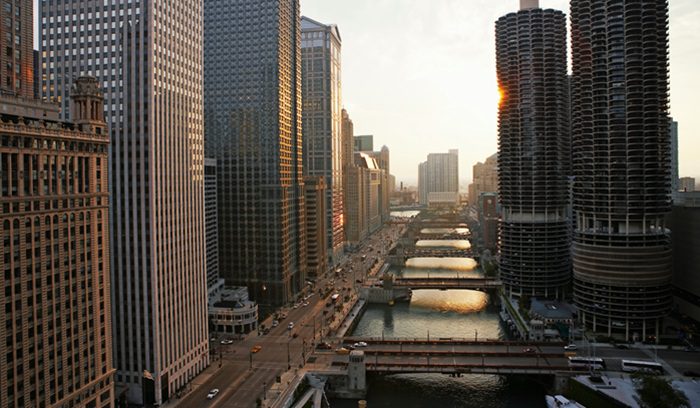
Kayakers paddling the calm urban waters of the Chicago River for an article about the Chicago River open-water swim

Chicago River will host its first open-water swim in nearly a century

For the first time in nearly 100 years, swimmers are set to enter the Chicago River in downtown Chicago, marking a milestone in one of America’s most remarkable urban environmental recoveries. A Long Swim is organizing the historic event as both a celebration of decades of cleanup efforts and a fundraiser for youth swim education in underrepresented communities. Sustained investment in policy, infrastructure, and civic organizing has transformed a once-toxic waterway into a recovering ecosystem now home to fish, turtles, beavers, and the famous snapping turtle Chonkosaurus. Chicago’s turnaround is being watched as a model for degraded urban rivers worldwide.

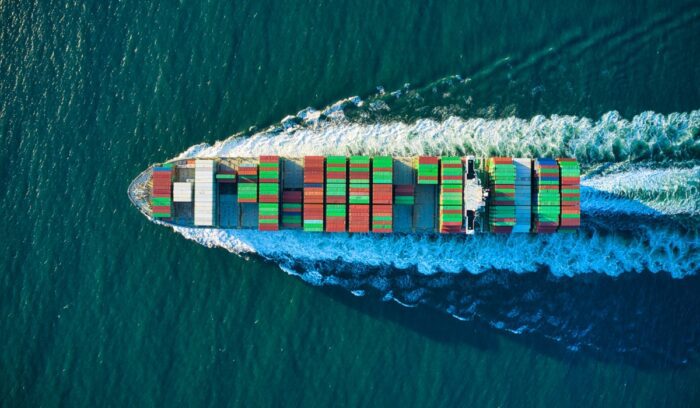
Cargo ship from above, for article on Baltic Sea wastewater ban

Finland becomes world’s first country to ban cargo ships from dumping wastewater

Finland just became the first country in the world to ban cargo ships from dumping wastewater in its coastal waters, extending a rule that previously only applied to passenger ferries. The Baltic Sea desperately needs the help: it’s shallow, slow to refresh, and roughly 2,000 ships cross it every day, each carrying enough crew to rival a small town’s worth of sewage. Years of patient work by the Baltic Sea Action Group helped move shipping companies from voluntary pledges to binding law, and port wastewater collection has already tripled over the past five years. Finland’s jurisdiction ends at its territorial waters, but the law offers a tested blueprint other Baltic nations can follow — and a reminder that national legislation can outpace slow-moving global rules when ecosystems can’t wait.