Trees & reforestation

Forests absorb carbon, shelter wildlife, and anchor watersheds — yet billions of trees have been lost to logging and land conversion. This archive tracks the science, policy, and community efforts driving reforestation forward, from Indigenous-led land restoration to large-scale planting programs showing measurable results.

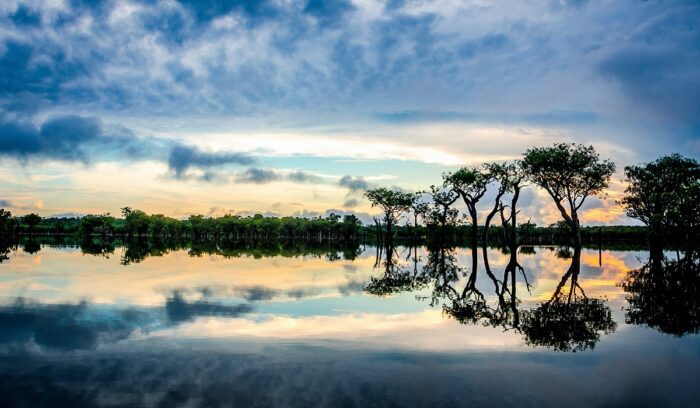
Forest and clouds, for article on Amazon reserve

Ecuador establishes new reserve protecting over 3 million acres of forest

Indigenous land protection at this scale is rare — and this story shows what’s possible when communities lead the way. Four Indigenous nationalities in Ecuador’s Morona Santiago province spent more than a year in community-led consultations before a single boundary was drawn. The resulting reserve connects to protected areas across eastern Ecuador and northern Peru, giving jaguars, tapirs, and thousands of bird species room to move and survive. When Indigenous communities hold legal authority over their own land, forests stand a far better chance — and that’s a model the world needs more of.

Aerial view of Tongass National Forest, for article on Tongass National Forest roadless rule

Biden restores protections to Alaska’s Tongass National Forest

Alaska’s Tongass National Forest is once again off-limits to logging and new road construction, after the USDA restored protections across the 17-million-acre rainforest — a landscape slightly larger than West Virginia that holds nearly half of all carbon stored in U.S. national forests. Tribal Nations in Southeast Alaska, including the Organized Village of Kake, led the years-long push to bring the safeguards back. For communities who have hunted, fished, and lived among the 800-year-old cedars and wild salmon streams for thousands of years, it’s a hard-won recognition. The victory also points to something bigger: protecting old-growth forests at scale is one of the most affordable, ready-now climate tools we have — no new technology required, just the will to leave ancient places standing.