
Scotland to ‘phase out’ new petrol and diesel cars by 2032
Nicola Sturgeon outlined plans to “massively expand” charging points and set up pilot projects to encourage uptake of electric vehicles.
This archive covers 314 stories about how people are rethinking the way we move — from cleaner transit systems and safer roads to breakthroughs in electric vehicles and urban bike infrastructure. Each article focuses on real progress, grounded in evidence, showing what’s working and where.

Nicola Sturgeon outlined plans to “massively expand” charging points and set up pilot projects to encourage uptake of electric vehicles.

The government is set to announce the ban of new diesel and petrol cars and vans from 2040 onwards as part of the Clean Air Strategy.

Landmark move as first big manufacturer says it will stop making vehicles solely powered by internal combustion engine
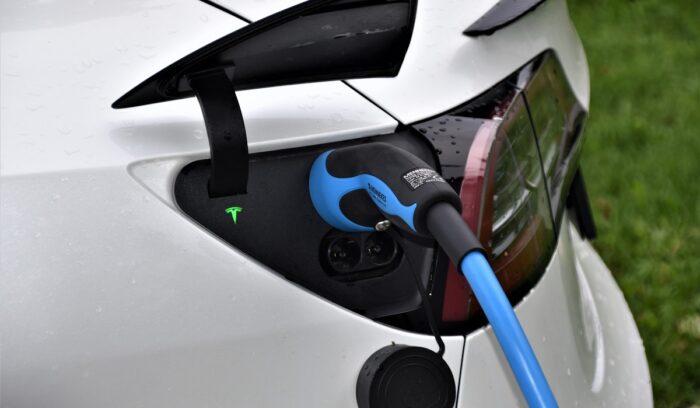
“We are going to introduce electric vehicles in a very big way,” coal and mines minister Piyush Goyal said at the Confederation of Indian Industry Annual Session 2017 in New Delhi.

Sales of battery-powered cars soared 38 percent in the first quarter after models including Renault SA’s improved Zoe won buyers in Germany and Spain.
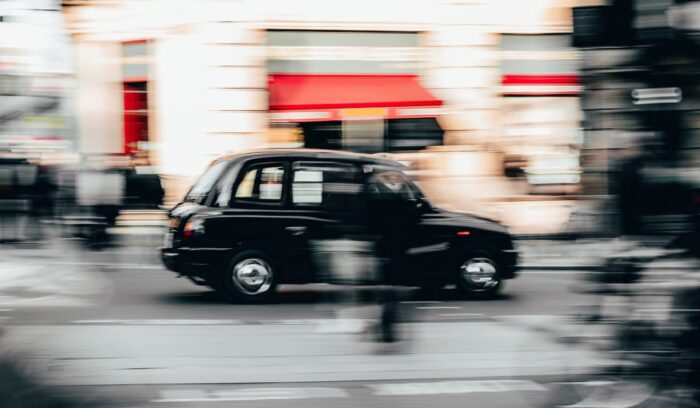
Any motorized vehicle will have to meet strict exhaust emissions standards or pay a heavy surcharge to commute around the city center. Electric vehicles (EVs) are one way for drivers to stay compliant and move about freely on the city’s streets.

A team of engineers led by 94-year-old John Goodenough, professor in the Cockrell School of Engineering at The University of Texas at Austin and co-inventor of the lithium-ion battery, has developed the first all-solid-state battery cells that could lead to safer, faster-charging, longer-lasting rechargeable batteries for handheld mobile devices, electric cars and stationary energy storage.
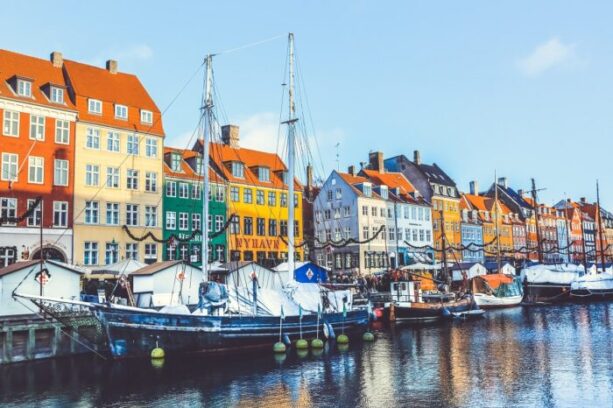
Bicycles outnumbered cars in Copenhagen’s historic centre for the first time in 2016, with about 265,700 bikes entering daily compared to 252,600 cars. The shift followed a billion-krone investment in dedicated lanes and 17 new bicycle bridges built between 2006 and 2019. A reminder that cycling cultures are engineered, not inherited.
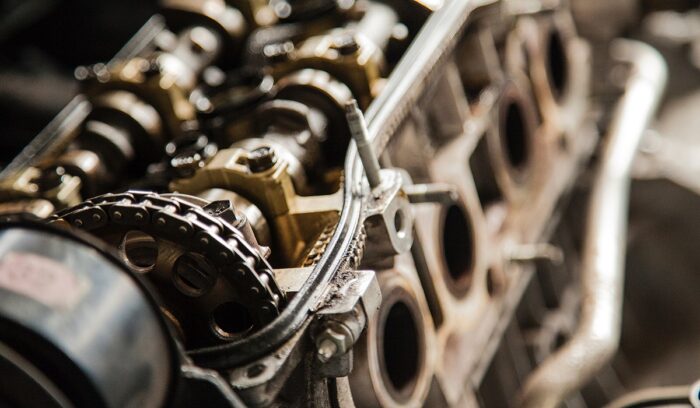
In autumn 2016, Germany’s Bundesrat did something no national legislative body had done before: it urged the EU to stop registering new gasoline and diesel cars after 2030. The vote was non-binding, but coming from the home of Volkswagen and BMW, it moved a once-fringe idea into serious policy — language the EU would echo in binding law years later.
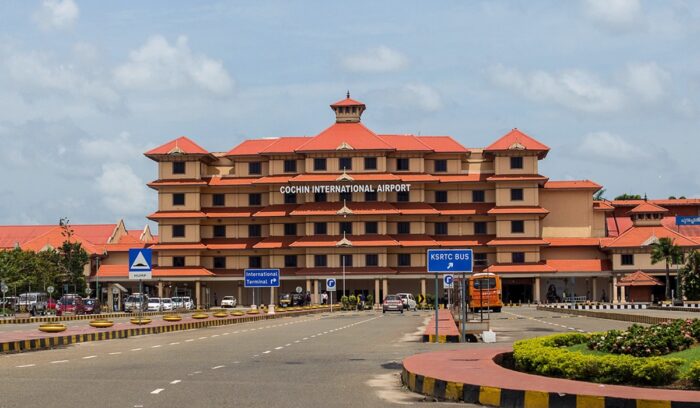
Solar power took over a major airport in 2015, when Cochin International in Kerala, India became the first in the world to run entirely on the sun. More than 46,000 panels spread across 45 acres of former cargo land now meet all the airport’s needs, with surplus flowing back to the state grid — an early proof that big infrastructure could go fully renewable.