Transportation

Transportation shapes how people access jobs, healthcare, education, and each other. This archive tracks real progress in transit, infrastructure, electric vehicles, cycling, and more — from local wins to national policy shifts worth knowing about.

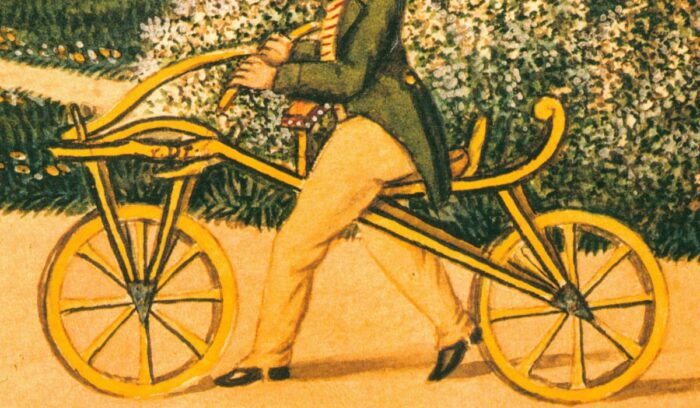
Karl von Drais on his original Laufmaschine, for article on draisine invention

Karl von Drais builds the first human-powered two-wheeled vehicle

The bicycle’s ancestor rolled into existence on June 12, 1817, when German inventor Karl von Drais glided 14 kilometers between Mannheim and Schwetzingen on a two-wheeled wooden contraption he pushed with his feet. He built it during the crop-failing “Year Without a Summer,” when starving horses made a self-powered machine feel suddenly necessary. Every bicycle since traces back to that ride.
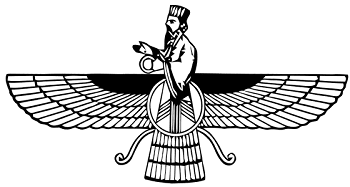
a f z, for article on sintashta culture chariot

Sintashta culture pioneers the spoked-wheel chariot on the Eurasian steppe

Chariots first appear in the archaeological record around 2000 BCE, when people of the Sintashta culture buried two-wheeled vehicles alongside horses and bronze weapons on the steppes of what is now Russia and Kazakhstan. Their breakthrough was the spoked wheel, light enough for a horse to pull at speed. Within centuries, the design had spread across the ancient world.

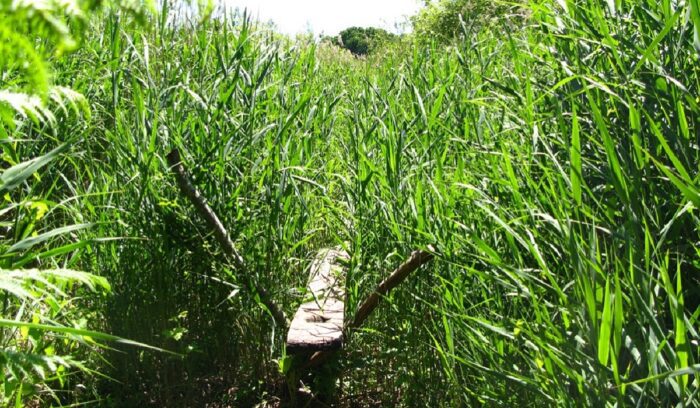
image for article on Sweet Track

England’s Sweet Track and Post Track causeways rise from the Somerset wetlands

The Sweet Track, a mile-long wooden walkway across the marshes of what’s now Somerset, England, went up in roughly a single day around 3807 B.C.E. Neolithic farmers, working only with stone and flint, felled oak, ash, and lime with techniques matched to each tree. It’s among the earliest known examples of humans engineering a landscape to move through it.

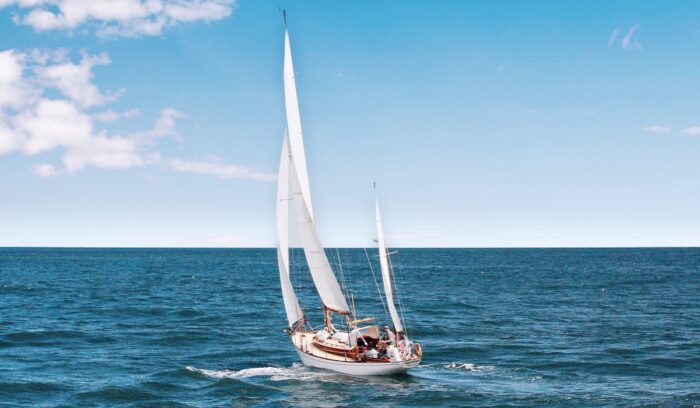
Sailboat, for article on ancient Egyptian sailboat

Ancient Egyptians develop sail-powered boats, reshaping how humans move across water

Ancient Egyptian sailboats, appearing in pottery and tomb art around 4,000 B.C.E., are among the earliest documented vessels to harness wind across water. Simple square cloth panels on narrow hulls moved grain and stone along the Nile, and within two thousand years, sail-powered trade routes stitched the Mediterranean together — one of humanity’s quietest, farthest-reaching leaps.