New Zealand mountain granted same legal rights as a person
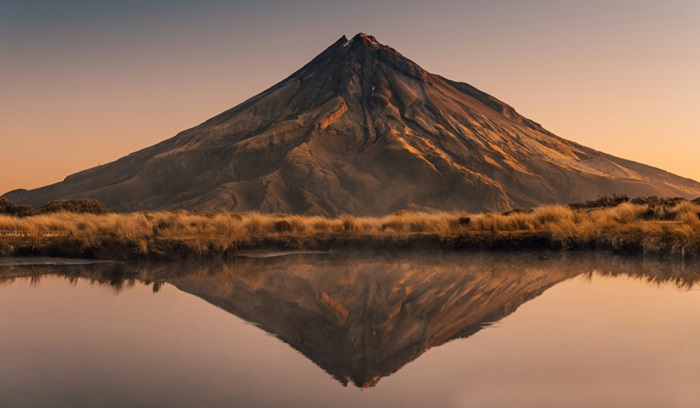
Legal personhood for Taranaki Mounga passed New Zealand’s parliament unanimously, making the symmetrical volcanic peak only the third natural feature in the country to hold the rights and protections of a legal person. The mountain will now be known solely by its Māori name, retiring the colonial label given by European settlers, and its interests will be represented jointly by iwi and crown appointees. Hundreds of Taranaki Māori filled Wellington’s public gallery for the final reading and broke into song when the vote passed. As rights-of-nature frameworks spread from Ecuador to Uganda, Taranaki’s recognition as an ancestor — not just a landmark — offers a powerful model for how legal systems can honor Indigenous relationships with the living world.