
African American men gain the right to vote in Washington, D.C.
On January 8, 1867, African American men gained the right to vote in the District of Columbia despite the veto of its most powerful resident, President Andrew Johnson.
This archive tracks real progress on racial justice — from landmark court rulings and policy reforms to community-led initiatives that expand rights and opportunity. Stories here document what’s working, where, and how, drawing on reporting from the U.S. and around the world.

On January 8, 1867, African American men gained the right to vote in the District of Columbia despite the veto of its most powerful resident, President Andrew Johnson.
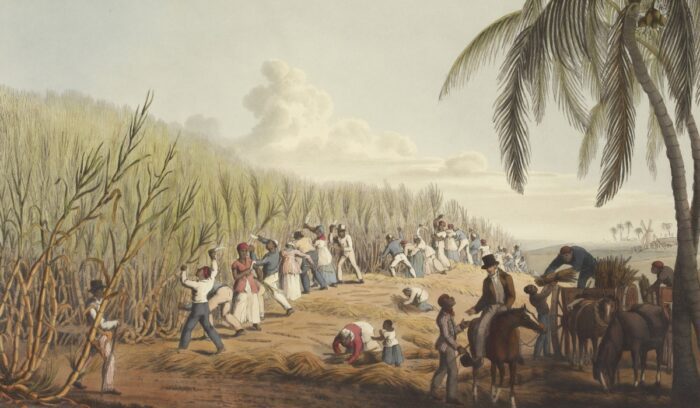
The Emancipation Proclamation took effect on January 1, 1863, when President Lincoln declared enslaved people in rebelling Confederate states legally free. Between 25,000 and 75,000 were liberated immediately in Union-held areas, with millions more as federal forces advanced. It reframed the Civil War as a fight against slavery and opened the path to the 13th Amendment.
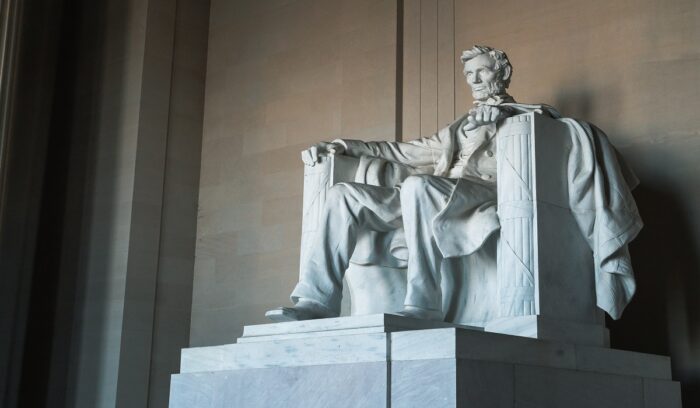
The Emancipation Proclamation took effect on January 1, 1863, after Lincoln’s preliminary announcement the previous September declared enslaved people in rebelling Confederate states “forever free.” It freed no one immediately, but it redefined the Civil War as a fight against slavery and opened Union ranks to Black soldiers — nearly 200,000 enlisted before the war’s end.
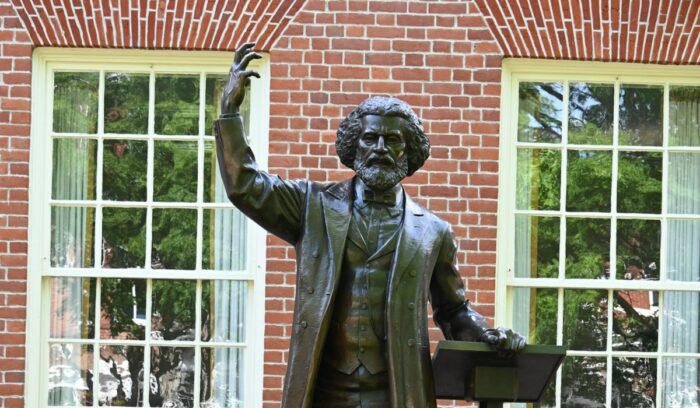
Frederick Douglass’s memoir landed in American bookstores on May 1, 1845, just seven years after its author had escaped slavery. The slim volume sold 5,000 copies in four months and reached nearly 30,000 by 1860, carrying his precise, literary voice far beyond the abolitionist lecture circuit. It remains among the most widely read firsthand accounts of American slavery ever written.
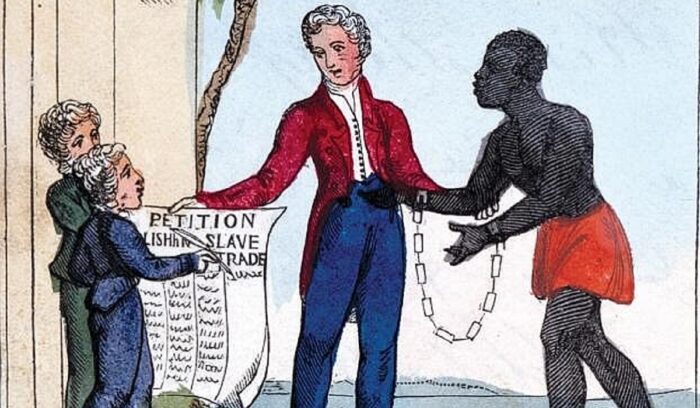
The Slavery Abolition Act became British law on August 28, 1833, setting in motion the freedom of roughly 800,000 enslaved people across the Caribbean, South Africa, and Mauritius. It was the fruit of decades of campaigning, Black writers like Ignatius Sancho, and the 1831 Baptist War in Jamaica. A milestone, though freedom arrived in uneven stages.
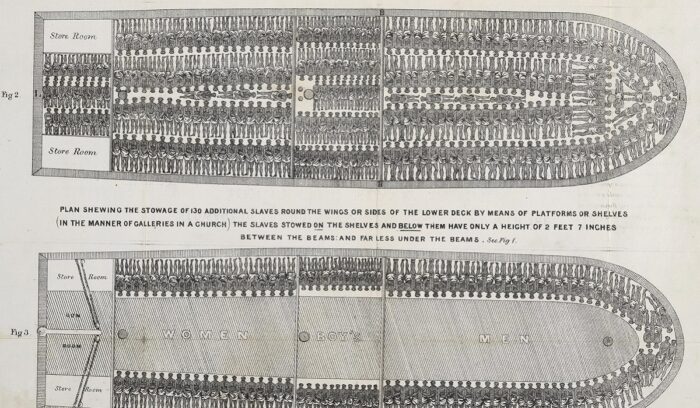
Britain’s Atlantic slave trade abolition became law on 25 March 1807, when King George III signed the Slave Trade Act after two decades of failed attempts. The final Commons vote was 283 to 16, the culmination of a campaign carried by Quakers, formerly enslaved writers like Olaudah Equiano, and petitioners across the country. It was the first time a major empire legislated against its most profitable trade on moral grounds.
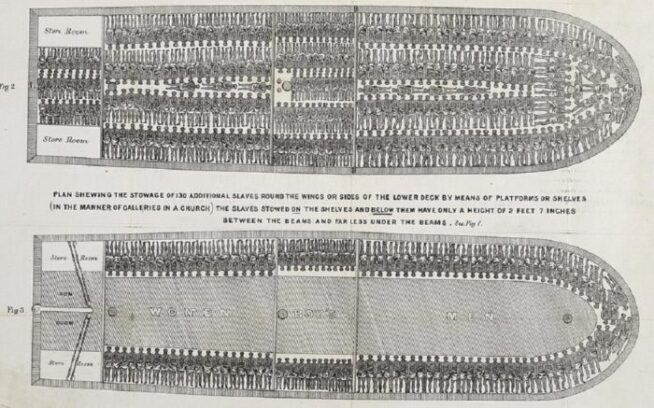
The U.S. Congress passed an act to “prohibit the importation of slaves into any port or place within the jurisdiction of the United States…from any foreign kingdom, place, or country.”