
Scientists test revolutionary plastic-eating enzyme in bid to fight pollution
It is a world first in an effort to find a solution for the 300 million tonnes of plastic produced every year.
Plastic pollution touches every ocean, watershed, and food chain on Earth — but solutions are gaining ground. This archive tracks scientific advances, policy wins, and community-led efforts that are reducing plastic waste and cleaning up what’s already out there.

It is a world first in an effort to find a solution for the 300 million tonnes of plastic produced every year.

Each pair uses an average of 11 plastic bottles and incorporates recycled plastic into the laces, heel webbing, heel lining and sock liner covers.

Campaigners hail progress as Amsterdam store offers dedicated aisle of more than 700 products, with plans for a national roll-out

Single-use non-biodegradable plastic, including bags and polystyrene takeaway containers, will be banned in Vanuatu from January 31, as the Government tries to control a growing plastic waste problem.
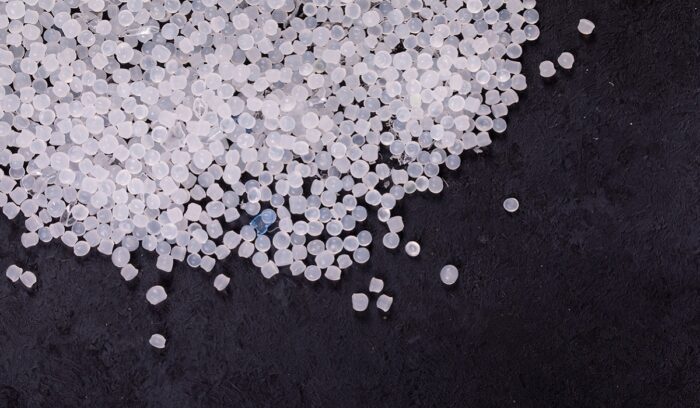
Manufacturing ban means the tiny beads which harm marine life can no longer be used in cosmetics and personal care products

China’s “National Sword” policy banned the import of most plastics and other materials headed for that nation’s recycling processors, which had handled nearly half of the world’s recyclable waste. The move was an effort to halt a deluge of soiled and contaminated materials that was overwhelming Chinese processing facilities and causing environmental havoc. Within one year, China’s plastics imports plummeted by 99%, leading to a major global shift in where and how materials are being processed and incentivizing less wasteful behavior around the world.

Victorian Premier Daniel Andrews has announced the government will ban single use plastic bags “as quickly as we can”.
Cameroon, Guinea-Bissau, Mali, Tanzania, Uganda, Ethiopia, Mauritania and Malawi are among the countries that have adopted or announced such bans.

“The National Capital Territory of Delhi shall take appropriate steps against storage, sale, and use of such plastic material at the above-mentioned places and it shall stand prohibited with effect from January 1, 2017,”

France’s plastic ban, passed in September 2016, made it the first country to outlaw single-use plastic plates, cups, and cutlery nationwide. The law gave producers until 2020 to switch to compostable, biosourced materials. Three years later, the EU followed with its own sweeping directive — a quiet French precedent becoming a continental norm.