
The world’s first ocean cleanup system launched from San Francisco
The cleanup system is heading to a location 240 nautical miles offshore for a two-week trial before continuing its journey toward the Great Pacific Garbage Patch.
Oceans cover more than 70% of Earth’s surface and regulate climate, feed billions, and sustain extraordinary biodiversity. This archive tracks verified progress on ocean health — from coral reef recovery and plastic reduction to marine protected areas and fishing reform. It covers what’s working and who’s making it happen.

The cleanup system is heading to a location 240 nautical miles offshore for a two-week trial before continuing its journey toward the Great Pacific Garbage Patch.

Overall, 90 percent of the retailers profiled received passing scores, ten years after every single retailer failed the first assessment.

The island nation has announced its aim to completely ban common plastics and single-use Styrofoam cups and food containers — effective January 2019.

San Francisco supervisors voted unanimously to ban restaurants, bars and retailers from selling or using on Tuesday, becoming the largest city to block establishments from giving out plastic straws

The World Heritage Committee credited Belize’s safeguarding measures as the cause for the historic conservational victory.

Starbucks says it will eliminate plastic straws from its stores globally by 2020. The company becomes the largest food and beverage company to do so as calls to cut waste globally grow louder.

The Hawaiian state legislature just passed a bill that would ban the sale of sunscreens containing the chemicals oxybenzone and octinoxate. Research has shown these chemicals are toxic to coral.

The landmark plan includes funds for improving water quality by reducing pollution from farm fertilizer runoff, and encourage reef restoration by experimenting with laboratory-grown coral that is more durable at higher temperatures.

Single-use non-biodegradable plastic, including bags and polystyrene takeaway containers, will be banned in Vanuatu from January 31, as the Government tries to control a growing plastic waste problem.
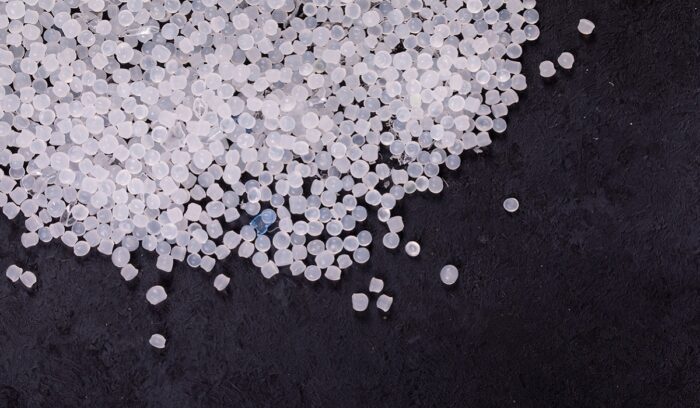
Manufacturing ban means the tiny beads which harm marine life can no longer be used in cosmetics and personal care products