Indigenous rights & well-being

This archive tracks meaningful progress on Indigenous rights, sovereignty, and community well-being across the U.S. and around the world. The 138 articles here cover land rights victories, cultural preservation efforts, health equity gains, and policy wins won by Indigenous communities and their advocates. Each story centers the people driving change.

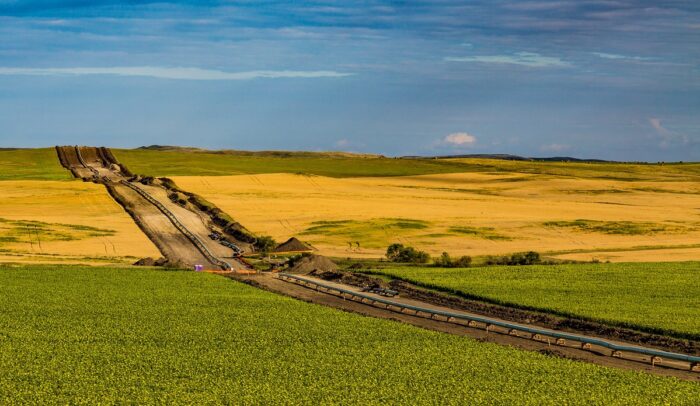
Dakota Access Pipeline, for article on Dakota Access Pipeline

U.S. Army halts Dakota Access Pipeline route in Standing Rock victory

At Standing Rock in December 2016, thousands of water protectors camped on the North Dakota plains erupted in cheers when the U.S. Army Corps denied the easement to drill the Dakota Access Pipeline under Lake Oahe. The pause proved temporary, but the movement brought tribal treaty rights and the phrase “water is life” into wider American conversation.

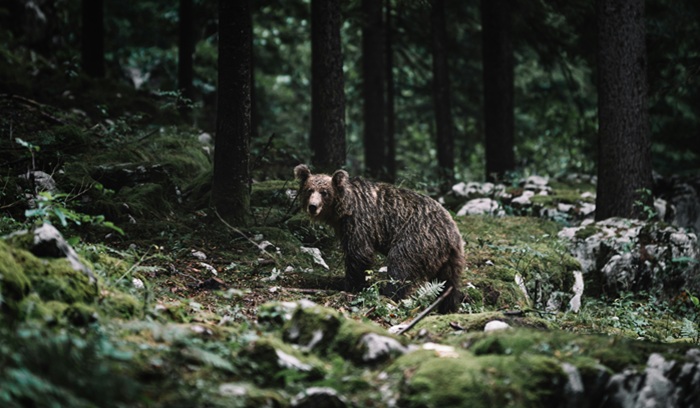
Bear roaming through the misty old-growth forest of the Great Bear Rainforest agreement protected wilderness

Great Bear Rainforest agreement protects millions of acres under Indigenous leadership

The Great Bear Rainforest agreement, signed in February 2016, protected 85% of old-growth trees across 6.4 million hectares of British Columbia’s coast — a temperate rainforest roughly the size of Ireland. Reached after nearly 20 years of negotiation, it placed 26 First Nations at the center as co-managers, embedding Indigenous authority into conservation law.

Tree frog, for article on yasuní national park

Ecuador formally establishes Yasuní National Park, protecting Earth’s most biodiverse patch of Amazon\n\n*(83 chars — within range)*

Yasuní National Park was established in 1979, when Ecuador drew a boundary around roughly 10,000 square kilometers of Amazonian rainforest where the equator, Andes, and Amazon converge. A single hectare there holds more insect species than all of North America. The park remains home to the Huaorani and two uncontacted peoples who have lived there for generations.

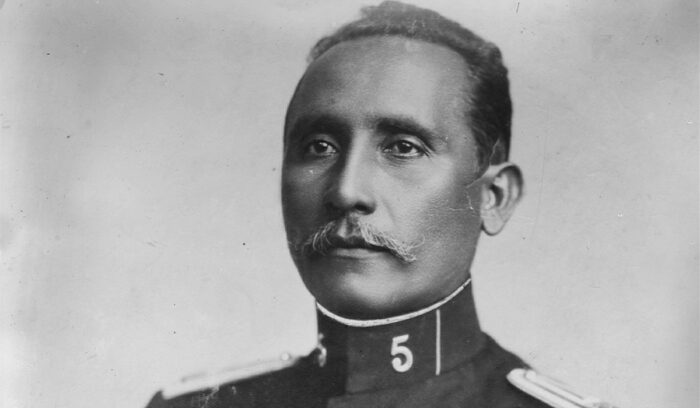
Cândido Rondon, for article on indigenous protection Brazil

Brazil’s Serviço de Proteção aos Índios gives Indigenous peoples legal protection

Indigenous protection in Brazil took its first formal shape on June 20, 1910, when the government created the Serviço de Proteção aos Índios, the Americas’ first federal agency tasked with shielding Indigenous peoples from settler violence. Its leader, Cândido Rondon, instructed agents entering uncontacted territory unarmed: “Die if you must, but never kill.”