
Japanese scientists produce first 3D-bioprinted, marbled Wagyu beef
The world of lab-grown meats is fast filling with all kinds of tasty bites, from burgers, to chicken breasts, to a series of increasingly complex cuts of steak.
From urban farming breakthroughs to shifts in how communities access nutritious food, this archive covers progress in food systems and diet worldwide. These stories highlight real-world solutions — what’s working, where, and why it matters for human health and the planet.

The world of lab-grown meats is fast filling with all kinds of tasty bites, from burgers, to chicken breasts, to a series of increasingly complex cuts of steak.

The U.S. Environmental Protection Agency (EPA) is finally acting to protect more than two dozen endangered West Coast salmon and steelhead species from pesticides.

Studies from Columbia University, University of California Berkeley, and other renowned institutions show that chlorpyrifos can damage the developing brains of children, causing reduced IQ, loss of working memory, and attention deficit disorders.

The percentage of American families with kids who report not having enough to eat fell dramatically after the first child tax credit payments were distributed last month, according to new data from the U.S. Census Bureau.

The Biden administration has approved a significant and permanent increase in the levels of food stamp assistance available to needy families—the largest single increase in the program’s history.

In 2015, the World Health Organization declared that glyphosate is “probably carcinogenic to humans.” Bayer now faces tens of thousands of legal claims from U.S. customers.
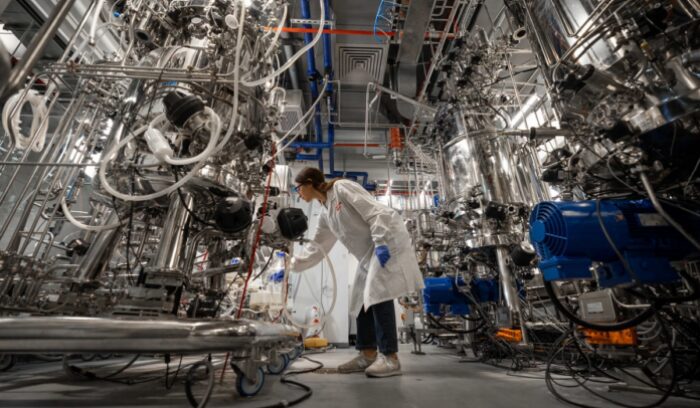
The factory will have the capacity to produce 1,100 lb of cultured chicken, pork and lamb each day, which is equivalent to around 5,000 burgers, and the company says beef products are on the way.
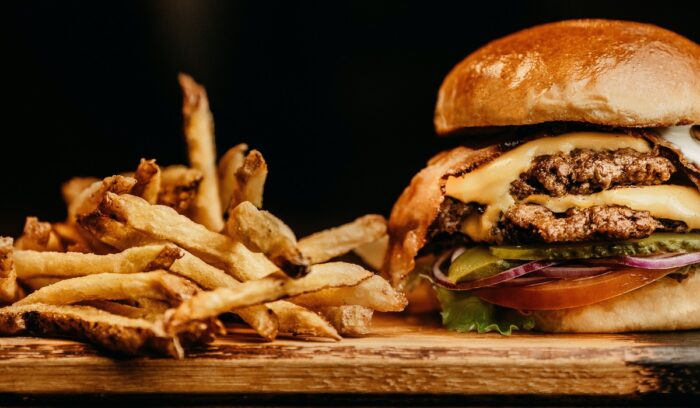
A new report also shows that cultivated beef in 2030 will be about 90% more environmentally friendly than conventional beef, emitting 93% fewer greenhouse gases and using 95% less land for nutrient production.

Along with mushrooms, Cycloponics grows chicory as well as microgreens like mini broccoli. These are delivered via bicycle to local organic grocery stores.

The restaurant is in southwestern France and was started by chef Claire Vallée, a 41-year-old former archeologist who became a vegan after a trip to Thailand.