Finance

This archive covers finance as a force for good — from community lending programs and debt relief wins to policy shifts expanding economic access. Sixty articles track real progress in how money moves, who controls it, and what financial systems can look like when they work for more people.

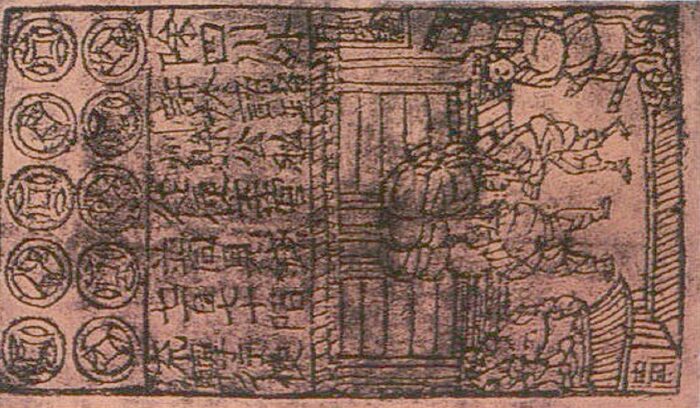
Song dynasty Jiaozi, for article on Tang Dynasty paper money

Tang Dynasty China pioneers paper money with flying-cash system

Paper money began quietly in 7th-century Tang Dynasty China, when merchants tired of hauling heavy bronze coins started depositing them at regional offices in exchange for lightweight paper certificates called fei-ch’ien, or “flying money.” Redeemable at the capital, these slips weren’t quite currency yet, but they planted the idea that trust itself could travel.

Coins, for article on Lydian coinage

Lydia’s King Alyattes mints the world’s first official coins

Lydian coinage began around 600 B.C.E., when King Alyattes authorized small stamped lumps of electrum — a natural gold-silver alloy from local rivers — as official money in what is now western Turkey. The stamp, likely a lion’s head, meant the crown vouched for the metal. It was an early leap toward trusting an institution, not just a substance.