
Minneapolis City Council approves $15 minimum wage
The Minneapolis City Council approved a $15 minimum wage Friday, a move years in the making that will affect hundreds of businesses and thousands of workers across the city.
Economic inequality shapes opportunity, health, and security for billions of people. This archive tracks real progress — policy wins, research breakthroughs, and community-driven solutions — that are narrowing gaps in wealth, wages, and access around the world.

The Minneapolis City Council approved a $15 minimum wage Friday, a move years in the making that will affect hundreds of businesses and thousands of workers across the city.
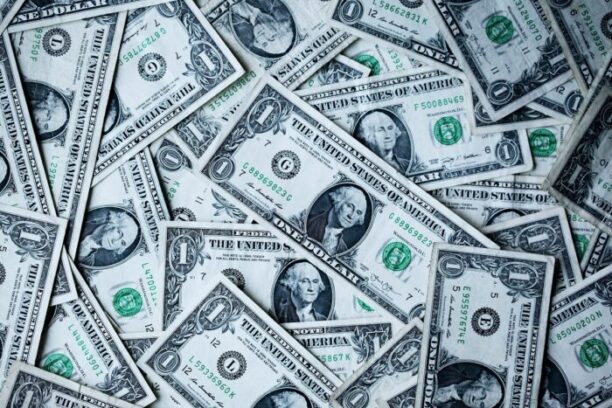
Universal basic income got its first serious American test run in December 2016, when the Economic Security Project pledged $10 million over two years to fund U.S. pilots and research. More than 100 signatories joined in, from Sam Altman to Robert Reich. It marked the moment a long-running thought experiment finally met real money.
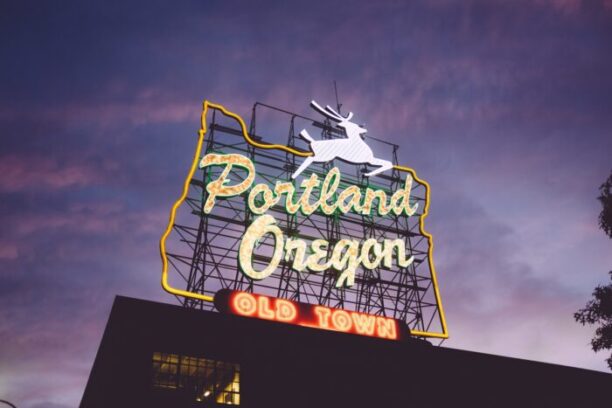
Portland’s CEO pay surtax, passed by the City Council in December 2016, became the first U.S. tax tied directly to corporate pay ratios. Companies paying chief executives more than 100 times their median worker owed a 10 percent surcharge on their business license tax, with steeper rates above 250:1. A small city turning federal disclosure data into local consequence.

American income inequality narrowed for the first time since 2007, according to Census Bureau data released in September 2016. Median household income jumped 5.2% in a single year — the largest gain on record — and 3.5 million people rose above the poverty line. One hopeful year, hard-won after four decades of widening gaps.
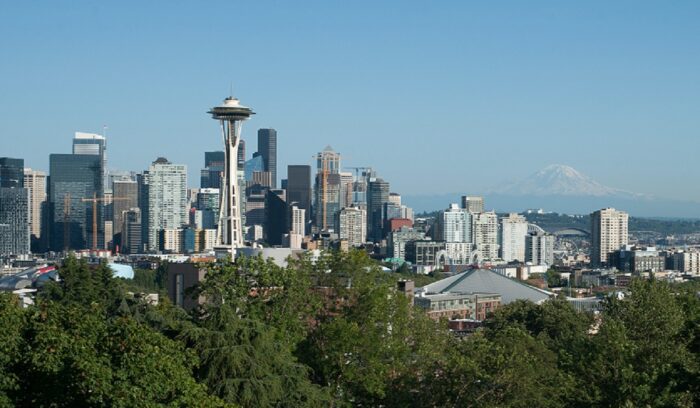
Washington state voters approved Initiative 1433 on Election Night 2016, raising the minimum wage from $9.47 to $13.50 over four years and guaranteeing paid sick leave for the first time statewide. Roughly 60 percent backed the measure, tying future wages to inflation so their value wouldn’t quietly erode over time.

The Higher Education Act, signed by President Lyndon Johnson on November 8, 1965, opened college to millions of Americans who’d been priced out. Johnson chose his own alma mater in Texas for the signing, launching federal student loans, work-study, and scholarships under one roof. Six decades and eight reauthorizations later, it still shapes who gets to learn.
In 1939, Antiguan workers formed the Antigua Trades and Labour Union, their first organized voice more than a century after Britain’s 1833 emancipation had left the plantation economy intact. Under Vere Cornwall Bird, who became president in 1943, the union grew into a political platform — and eventually a pathway to independence in 1981.
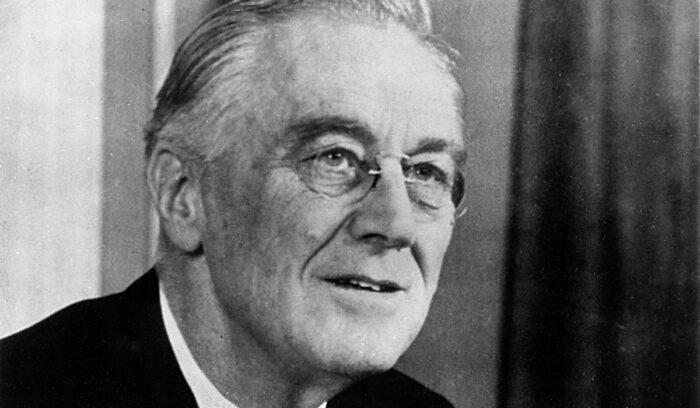
The New Deal launched in spring 1933, when Franklin D. Roosevelt took office with roughly a quarter of Americans out of work and banks collapsing nationwide. Over the next five years, a rush of laws created Social Security, federal deposit insurance, and jobs for millions. Much of that architecture still shapes American life today.
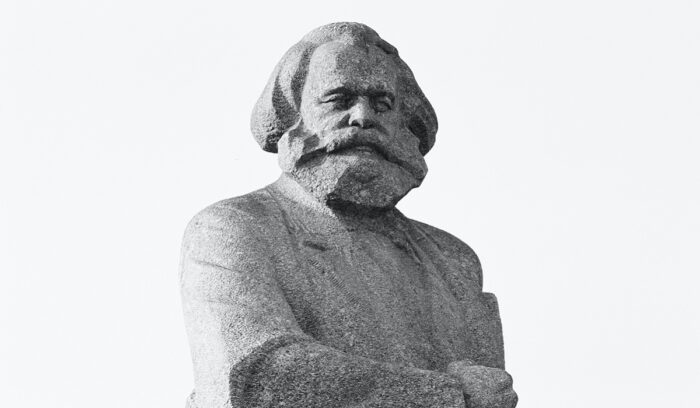
The Communist Manifesto rolled off a London press on February 21, 1848, a slim 40-page pamphlet written by Karl Marx with Friedrich Engels. One day later, revolution erupted in France. Whatever one makes of its legacy, the pamphlet reshaped how people everywhere talk about labor, class, and power.
Plebeian consul Rome: in 366 B.C.E., Lucius Sextius Lateranus became the first commoner to hold the republic’s highest office, ending centuries of patrician monopoly. His election followed a decade of stubborn tribune activism, including five years of blocked elections. It marked an early crack in Rome’s rigid class order, opening a slow path toward shared political power.