Drinking water; sanitation & hygiene

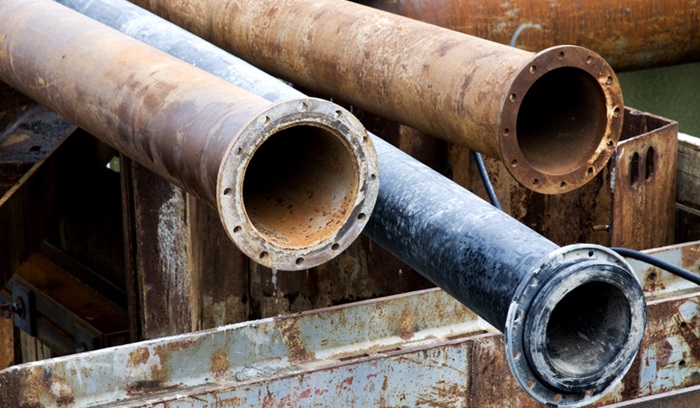
A worker replacing a corroded lead pipe in a residential street for an article about Flint lead pipe replacement

Flint replaces lead pipes a decade after water crisis exposed a city to poison

Flint lead pipe replacement is complete, with Michigan officials confirming in a court filing that all 11,000 lead service lines have been replaced and more than 28,000 properties restored — fulfilling a core requirement of the city’s 26 million legal settlement. The milestone arrives more than a decade after state-appointed managers switched Flint’s water source in 2014, exposing nearly 100,000 residents to toxic lead. For a majority-Black city that spent years being dismissed by officials, the achievement reflects both relentless community organizing and hard-fought legal accountability. Flint’s struggle directly shaped federal lead pipe policy now affecting cities nationwide.


Water flowing from faucet

U.S. Environmental Protection Agency announces first-ever national regulations for “forever chemicals” in drinking water

Commonly called “forever chemicals,” PFAS are synthetic chemicals found nearly everywhere — in air, water, and soil — and can take thousands of years to break down in the environment.

The EPA has stated there is no safe level of exposure to PFAS without risk of health impacts, but now it will require that public water utilities test for six different types of PFAS chemicals to reduce exposure in drinking water. The new standards will reduce PFAS exposure for 100 million people, according to the EPA, and prevent thousands of deaths and illnesses.