
Ireland unveils plan for 70 per cent renewable energy by 2030
Ireland has published its long-awaited Renewable Electricity Support Scheme, unveiling details on how the country will increase its share of renewable energy to 70% by 2030.
The climate crisis demands action — and action is happening. This archive tracks real progress: policy wins, clean-energy milestones, community resilience, and scientific advances that show meaningful change is possible. Stories here come from every corner of the world.

Ireland has published its long-awaited Renewable Electricity Support Scheme, unveiling details on how the country will increase its share of renewable energy to 70% by 2030.

Countries from around the world have pledged more than $9.7 billion to replenish the Green Climate Fund (GCF), which was established in 2010 by the 194 countries to serve as a key channel for delivering climate finance to developing countries.

EasyJet will begin to offset emissions from its 331 planes immediately. It will become the world’s first major airline to operate net zero carbon flights across their entire network.
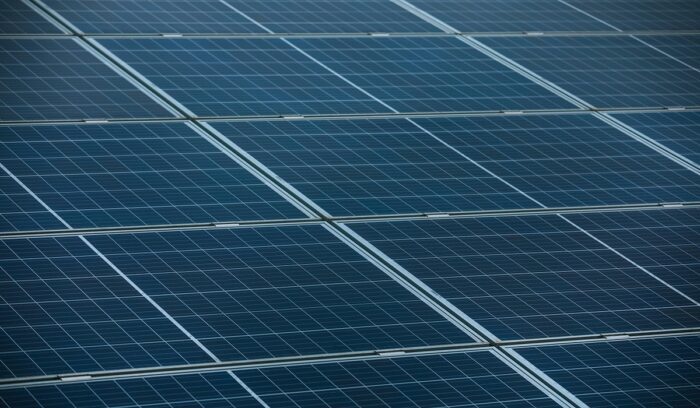
With their technology, concentrated solar energy can now create the extreme heat required to make cement, steel, glass and other industrial processes – replacing fossil fuels in a heavy carbon-emitting corner of the economy.

The New Zealand parliament has passed landmark legislation that enshrines the country’s commitment to the Paris Agreement into law, and will see the country achieve zero net carbon dioxide emissions by 2050.

Not only will Formula 1 focus on reducing emissions of their cars, but they will also aim to run all their operation facilities on 100 per cent renewable energy.

The bank will end its financing of oil, gas, and coal projects after 2021, a policy that will make the EU’s lending arm the first multilateral lender to rule out financing for projects that contribute to the climate crisis.

A Kenyan startup, Opibus, is forging ahead with its plans to electrify old Matatus and Boda Bodas. Opibus begins mass EV conversions of minibuses and motorcycles in Q1 2020.

New solar and onshore wind projects have reached parity with average wholesale power prices in California and parts of Europe, while in China levelised costs are below the benchmark average regulated coal price, according to BloombergNEF.

A plan is under way to develop 11 solar power plants and 10 wind power plants in the prefecture, on farmlands that cannot be cultivated anymore and mountainous areas from where population outflows continue.