
China’s wind capacity up 13% in first quarter of 2017
In the first quarter of 2017, China’s installed wind capacity increased by 13 percent compared to the same period last year, bringing the country’s cumulative capacity to 151 gigawatts (GW).
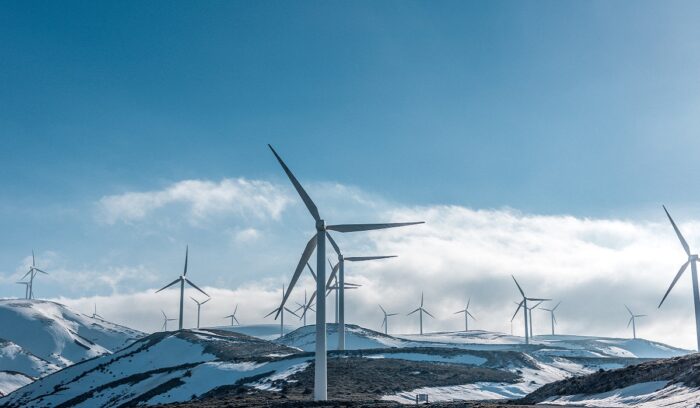
In the first quarter of 2017, China’s installed wind capacity increased by 13 percent compared to the same period last year, bringing the country’s cumulative capacity to 151 gigawatts (GW).

Atlanta City Council unanimously approved a measure Monday establishing a community-wide goal of transitioning 100 percent to renewable energy by 2035.
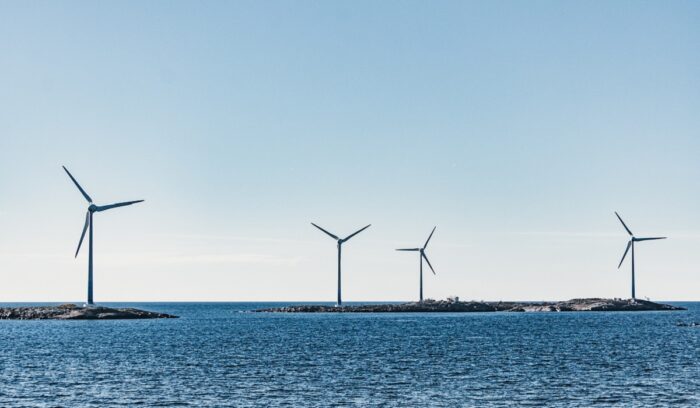
The company in charge of developing, constructing, and operating the Saint-Brieuc offshore wind farm announced this week that it had received the three administrative authorizations required to construct and operate the project.

The U.K. has launched a £8.6 million national research programme to investigate how to remove greenhouse gases from the atmosphere, the first of its kind.
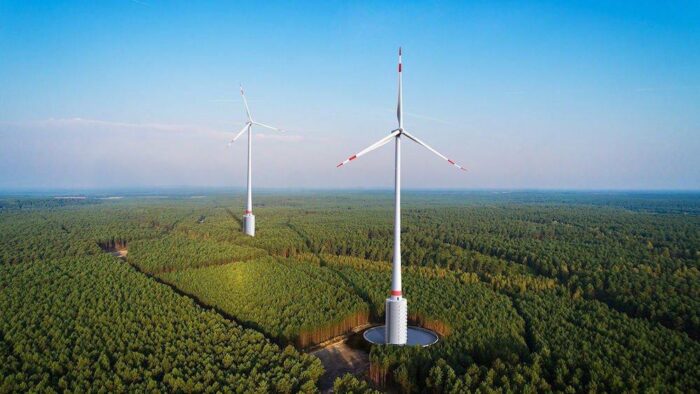
South Australia is not just likely to have already met its target of 50 per cent renewables some eight years ahead of time, it is now heading for an extraordinary penetration rate of 80 per cent wind and solar by 2021.
According to the National Grid, the U.K. did not use coal to generate electricity for a full day on Friday 21 April, the first time since the Industrial Revolution.

Mayor Ed Lee on Thursday set a new goal for San Francisco that at least 50 percent of the city’s electricity come from renewable sources by 2020. That’s 10 years ahead of the target the state has set for itself.

The government of Pakistan’s second largest province, Punjab, has affirmed its commitment to the installation of rooftop solar power systems on around 20,000 schools.
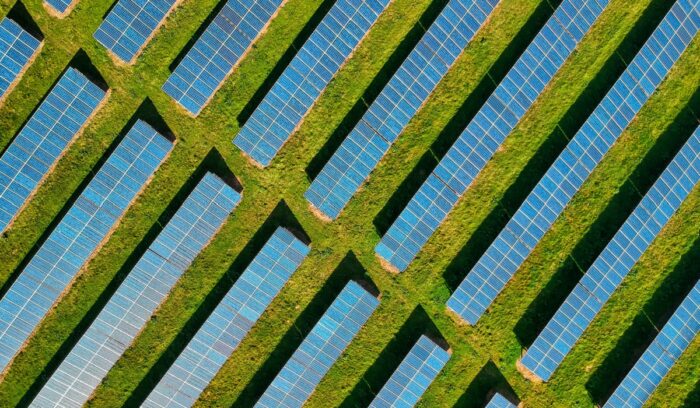
Berkeley Energy Group, the coal company behind the project, billed it as the first large-scale solar farm in the Appalachian region, which has been hit hard by the decades-long decline in the U.S. coal industry.
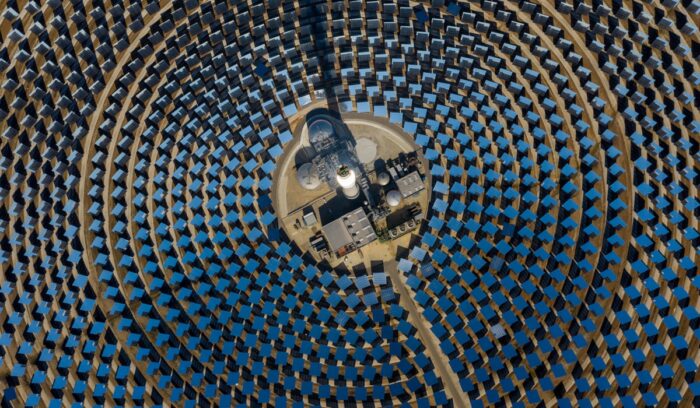
For the first time, more than half the power needs of the entire state came from solar power for a few hours that day, according to the US Energy Information Administration (EIA).