
Vodafone & Iron Mountain commit to 100% renewable energy, join RE100
Vodafone and Iron Mountain have announced 100% renewable energy targets and committed to joining RE100, an initiative spurring corporate renewable energy targets around the world.
The climate crisis demands action — and action is happening. This archive tracks real progress: policy wins, clean-energy milestones, community resilience, and scientific advances that show meaningful change is possible. Stories here come from every corner of the world.
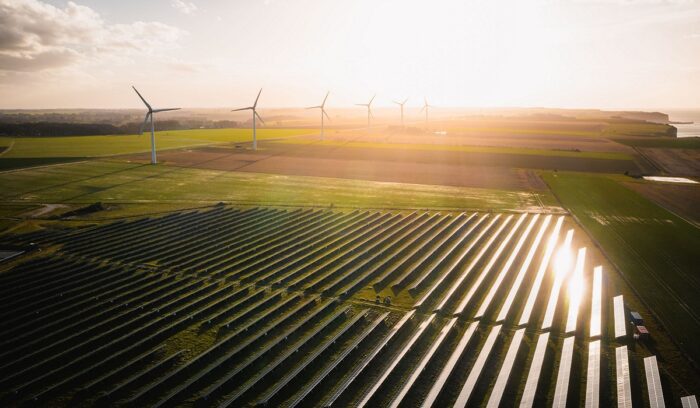
Vodafone and Iron Mountain have announced 100% renewable energy targets and committed to joining RE100, an initiative spurring corporate renewable energy targets around the world.

The Queensland government has approved the country’s largest windfarm, a $1bn project to build almost 200 turbines in the shadow of the Bowen basin’s coalmines.

“What we’re seeing is one of the largest and most well-thought-out approaches to advancing electrification of vehicles,” says Adrian Martinez, an attorney for Earthjustice.

Accra, Dar es Salaam, Addis Ababa, Lagos, Dakar, Durban, Tshwane, Johannesburg, and Cape Town have pledged to reach zero carbon in 30 years.
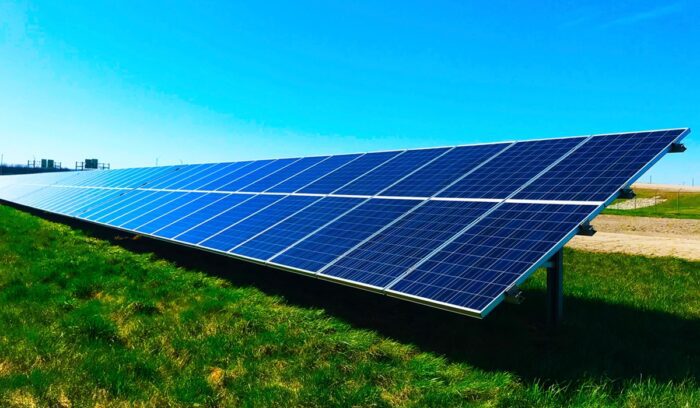
India’s federal government recently gave the go-ahead for development of the country’s largest solar power park in the state of Gujarat.

The hotel giant, which comprises brands like Embassy Suites and DoubleTree, wants to halve its environmental footprint by 2030, while also doubling its social impact investments.

The Scottish government also said it would have a new interim target for 2020 of a 56 per cent cut compared with the existing goal of 42 per cent.

The report, launched today, finds that there are currently 51 carbon pricing initiatives around the world, consisting of 25 emissions trading schemes and 26 carbon taxes.

Pivot Power unveiled plans to build the world’s first national network of grid-scale batteries and rapid-charge stations across the U.K. to accelerate electric vehicle adoption.

Within a year of eight coal- and oil-fired power plant retirements, the rate of preterm births in mothers living close by dropped, finds new study on air pollution.