
World Bank offers $1 billion for batteries in emerging markets
The World Bank committed $1 billion to finance battery-storage systems in developing countries, and expects its participation to attract another $4 billion in backing.
The climate crisis demands action — and action is happening. This archive tracks real progress: policy wins, clean-energy milestones, community resilience, and scientific advances that show meaningful change is possible. Stories here come from every corner of the world.
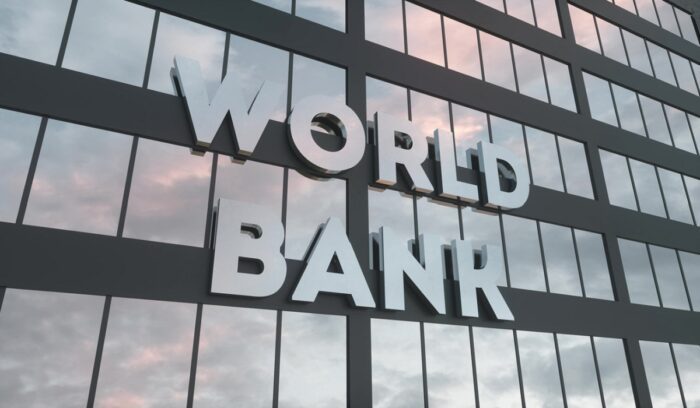
The World Bank committed $1 billion to finance battery-storage systems in developing countries, and expects its participation to attract another $4 billion in backing.
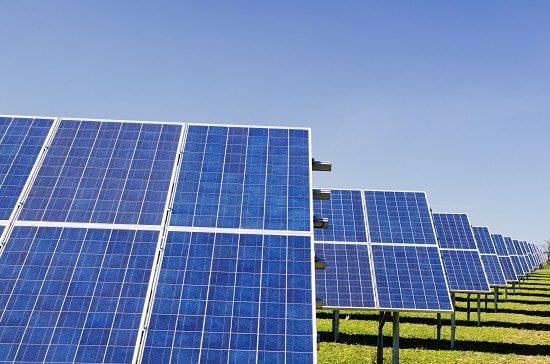
The Connecticut Green Bank was established in 2011, and since then has been working to accelerate the deployment of clean energy.

A coalition of investors managing over US$5.6 trillion in assets joined a coalition of more than 70 large food companies in calling for zero deforestation in Brazil’s Cerrado region.

Japan’s Marubeni Corp said it would no longer start new coal-fired power plant projects and will halve its net coal power generating capacity of about 3 gigawatts (GW) by 2030.

Nearly a fifth of Fortune Global 500 companies have committed to set science-based targets, including this year alone big names such as McDonald’s, IKEA, and AB InBev.
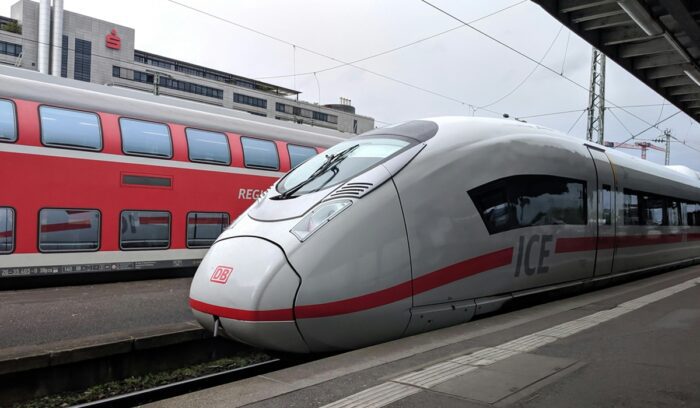
Germany has rolled out the world’s first hydrogen-powered train, signalling the start of a push to challenge the might of polluting diesel trains with costlier but more eco-friendly technology.

The schools have 40 MW of onsite renewable energy generation, with an additional 20 to 30 MW in planning stages.
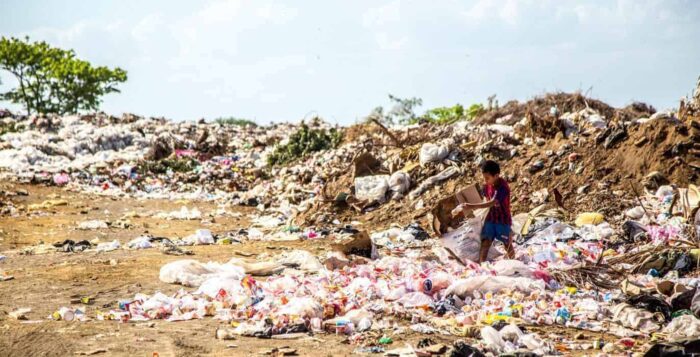
Waitrose will remove 5p bags from six shops from 8 October to understand how to manage the changeover ahead of their complete removal next year.

Barcelona, Basel, Berlin, Boston, Chicago, Copenhagen, Heidelberg, London, Los Angeles, Madrid, Melbourne, Milan, Montréal, New Orleans, New York City, Oslo, Paris, Philadelphia, Portland, Rome, San Francisco, Stockholm, Sydney, Toronto, Vancouver, Warsaw and Washington, DC have all seen their emissions fall over the last five years.
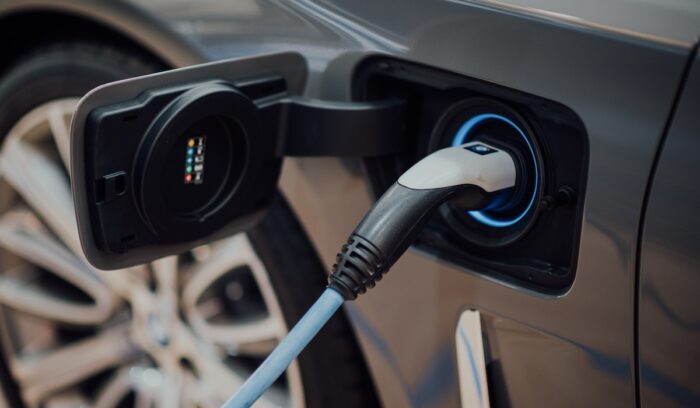
ChargePoint, one of the world’s largest charging station networks for electric vehicles, is targeting a near fifty-fold increase in its global network of loading spots by the middle of next decade.