
Apple says it’s now powered by 100 percent renewable energy worldwide
The iPhone maker has been working toward for years through the purchase of green energy bonds and other renewable investments in its supply chain and physical infrastructure.
This archive tracks real progress in clean and renewable energy — from solar and wind expansions to grid breakthroughs and policy wins. More than 850 articles document what’s working, where it’s scaling, and who’s driving the shift away from fossil fuels. If you follow energy news for signal rather than noise, this is a useful place to start.

The iPhone maker has been working toward for years through the purchase of green energy bonds and other renewable investments in its supply chain and physical infrastructure.
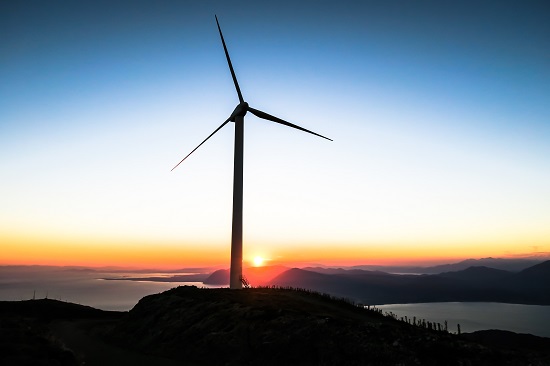
“Over the course of 2017, across the globe, for every kilowatt hour of electricity we consumed, we purchased a kilowatt hour of renewable energy from a wind or solar farm that was built specifically for Google.”
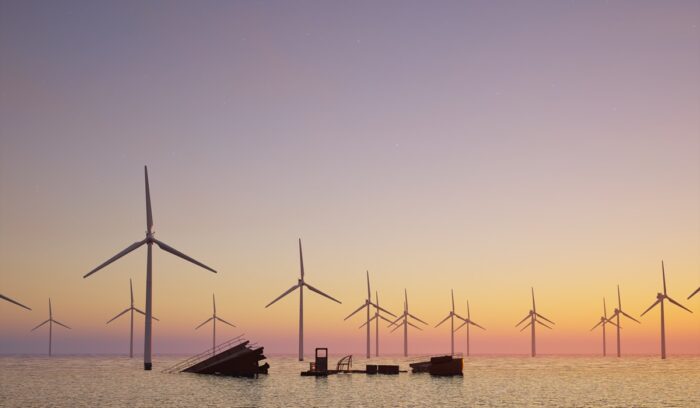
Onshore wind turbines in Scotland are set for another bumper year of generation, with figures for the first three months of 2018 revealing a 44 per cent uptick in wind power output compared to the same time last year.

Renewable energy accounted for 103.6% of Portugal’s electricity consumption last month.
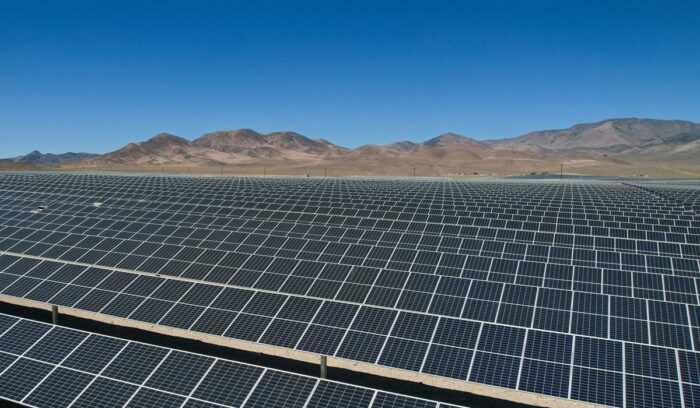
The plan envisions 200GW of solar capacity in Saudi Arabia by 2030. The venture may cost $200 billion and add 100,000 jobs.

China, the world’s biggest energy consumer, cut its 2005 carbon intensity level, or the amount of climate-warming carbon dioxide it produces per unit of economic growth, by 46 percent in 2017, Xie told a forum in Shanghai on Tuesday.
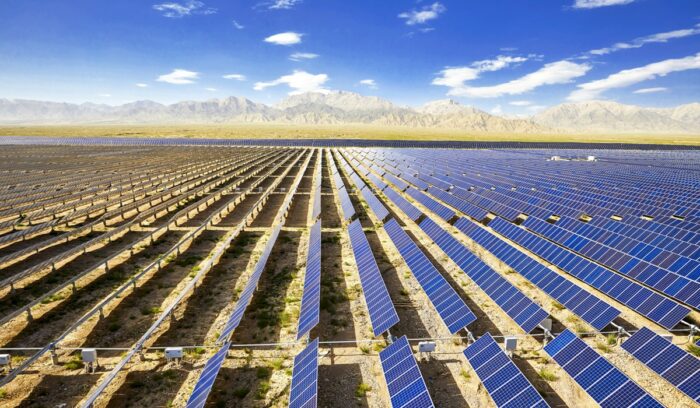
The economics of generating electricity from fossil fuels are deteriorating rapidly as renewable energy technology plunges in costs.

“With storage we can smooth out the intermittence of renewable energy and guarantee the balancing of power grids,” EDF chief executive Jean-Bernard Levy told reporters.
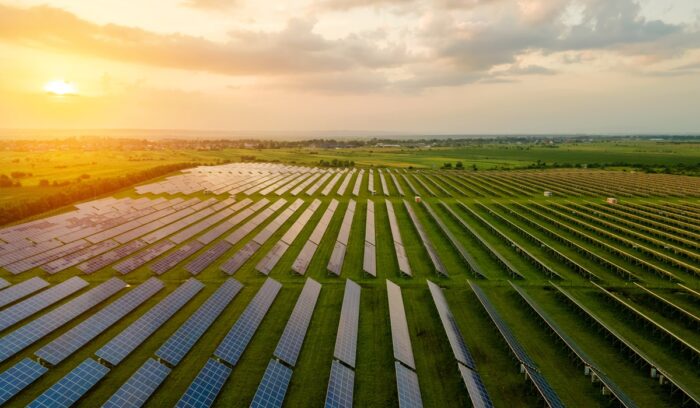
The $25 million in financing from the EIB will enable d.light design to develop the installation of solar kits in sub-Saharan Africa and aim to hit its goal of reaching 10 million solar installations within 5 years.

A recently published data by the CDP researchers disclosed that of the 570 cities in its book, 101 cities now use renewable energy to source for 70% of their electricity, a figure that was previously 42 cities in 2015.