
U.K. offshore wind power set to double as government confirms future auctions
The U.K. offshore wind energy industry is set to double after the country’s Department for Business, Energy, and Industrial Strategy announced long-term political support.
This archive tracks real progress in clean and renewable energy — from solar and wind expansion to grid upgrades and policy wins. Each story focuses on what’s working, where, and why it matters for people and the planet.

The U.K. offshore wind energy industry is set to double after the country’s Department for Business, Energy, and Industrial Strategy announced long-term political support.

The groundbreaking project has delivered its first power to the U.K. National Grid this week, marking yet another landmark moment for the offshore wind industry.

An exciting new report shows that Sweden has installed so much wind power, the country is now 12 years ahead of schedule for its renewable energy goals.

President Joko “Jokowi” Widodo inaugurated the 247-acre Sidrap Wind Farm in Sindereng Rappang Regency, South Sulawesi, in July 2018. It immediately became the largest of its kind in Southeast Asia and among the first major non-hydro renewable energy projects in the world’s fourth most populous nation. The farm produces 75 MW of electricity and can power up to 70,000 households.
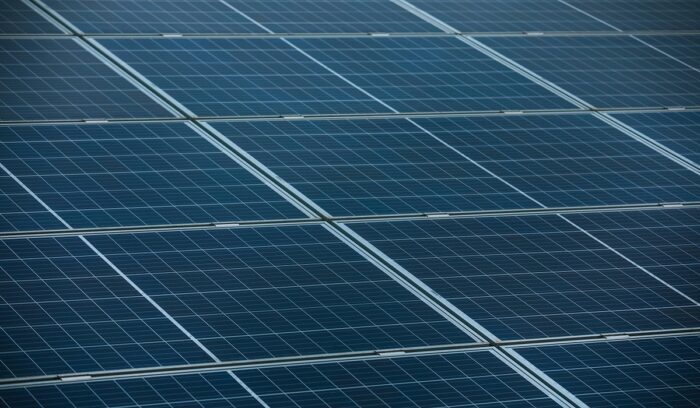
Solar panel recycling is finally catching up to solar power’s rapid growth, and France is showing the world how it’s done. A new facility in Rousset recovers glass, silicon, copper, and silver from aging panels — materials that can feed directly into making new ones, closing the loop on clean energy hardware. IRENA projects global PV waste could exceed five million tonnes by 2050, making infrastructure like this urgently needed. The plant currently handles crystalline silicon panels only, leaving thin-film recycling unsolved at industrial scale. Veolia hopes Rousset becomes a global template.

India’s energy minister R K Singh has flagged a massive solar tender of 100GW — by far the biggest in the world, as the fastest growing energy consumer turns increasingly to renewables to satisfy its enormous needs.

India’s power and renewable energy minister announced that India was increasing its 2022 target by 52 GW up to 227 GW.

Wind XII consists of 591 MW of new wind capacity in Iowa and has propelled the company to be the first investor-owned electric utility in the U.S. to generate renewable energy equal to 100% of its customers usage each year.

The plan is the most ambitious emissions reduction and renewable energy plan of any state in the country.

India’s federal government recently gave the go-ahead for development of the country’s largest solar power park in the state of Gujarat.