
Hyundai commits $7.4 billion to build electric cars
On May 13, the company announced it plans “to invest $7.4 billion in the U.S. by 2025 to produce future EVs, enhance production facilities, and further its investments in smart mobility solutions.”
This archive tracks real progress in clean and renewable energy — from solar and wind expansion to grid upgrades and policy wins. Each story focuses on what’s working, where, and why it matters for people and the planet.

On May 13, the company announced it plans “to invest $7.4 billion in the U.S. by 2025 to produce future EVs, enhance production facilities, and further its investments in smart mobility solutions.”

The IEA’s “renewable energy market update” forecasts nearly 40% higher growth in 2021 than it expected a year ago, putting wind and solar on track to match global gas capacity by 2022.

The solar panels will create enough electricity for about 5,000 homes annually, offsetting 120 million pounds of carbon dioxide annually. Construction is slated to start later this year with plans to be in operation by 2022.

United Mine Workers of America has announced that it would support a transition to renewable energy sources provided that union members were given opportunities for well-paying jobs in the new solar, wind, and hydropower sectors.

Honda’s new commitment to electrification was announced by CEO Toshihiro Mibe on Friday, and forms part of the company’s wider goal of achieving carbon neutrality across its entire operation by 2050.

The Republic of Ireland is set to say goodbye to coal, after the state-owned Electricity Supply Board announced it would transform its last remaining coal generation, the 915MW Moneypoint facility, into a green energy hub, including a 1.4GW floating offshore wind farm.

Private buyers will be qualified for subsidies of up to €7,000 per vehicle. Authorities in small towns, as well as companies purchasing fleets to use them as taxis, could get even more.
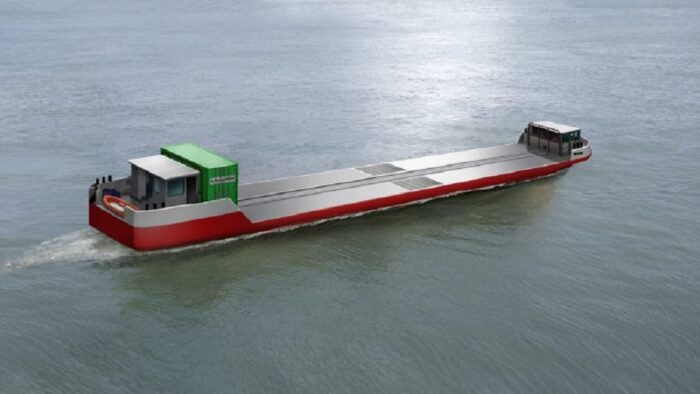
Developed by French shipowner Compagnie Fluvial Transport (CFT), the vessel will be the world’s first cargo ship to run on hydrogen and is set to be deployed on the river Seine in Paris.

IRENA’s annual Renewable Capacity Statistics 2021 shows that global renewable energy capacity grew by more than 260 GW last year, beating the previous record set in 2019 by nearly 50%.

By building the infrastructure, the Dutch government will make the transition to electric vehicles as seamless and painless as possible.