
Volvo builds a world-first vehicle using fossil-free steel
SSAB plans to begin producing its fossil-free steel at scale in 2026, while Volvo plans to have an entirely climate-neutral business by 2050, including its supply chain.
This archive tracks real progress in clean and renewable energy — from solar and wind expansion to grid upgrades and policy wins. Each story focuses on what’s working, where, and why it matters for people and the planet.

SSAB plans to begin producing its fossil-free steel at scale in 2026, while Volvo plans to have an entirely climate-neutral business by 2050, including its supply chain.
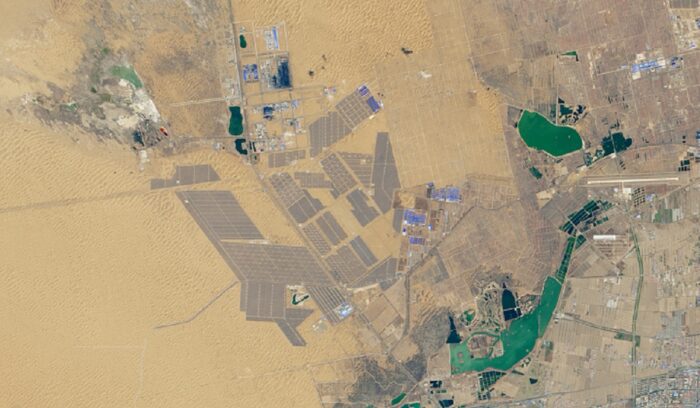
The new project, likely built in western China, will generate more renewable energy than all solar and wind installations in India combined.

“Long-duration energy storage, like this iron-flow battery, [is] key to adding more renewables to the grid,” Venkat Viswanathan, a battery expert and associate professor of mechanical engineering at Carnegie Mellon University.

According to Ford, the move will create 11,000 jobs and enable the company to produce more than a million electric vehicles per year.

More than 35 countries — from small developing island states to major emerging and developed economies — have made significant new energy commitments in the form of energy pacts, the UN said.

California got three new laws that allow more homes to be built. Denser cities should shorten commutes, lower emissions, and make for more equitable housing.

All new homes and offices will have to feature “smart” charging devices that automatically charge vehicles during off-peak periods. New office blocks will need to install a charge point for every five parking spaces.

The new law makes New York the second U.S. state to ban conventional cars and trucks. The legislation also requires the state government to create of a detailed plan for zero emissions vehicle development by 2023.
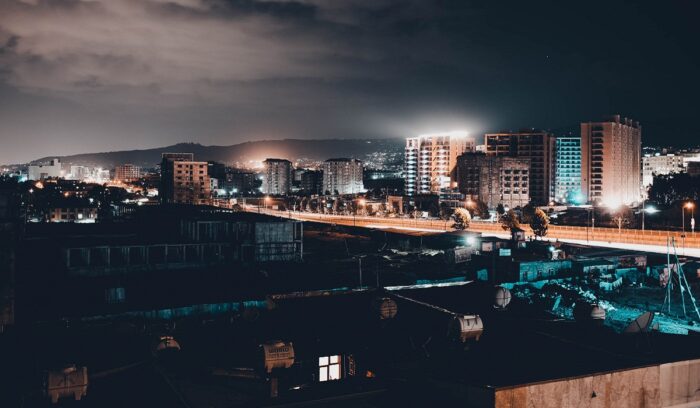
Ethiopia unveiled a $40bn roadmap to build 71 power projects over the next ten years. Of those projects, 16 are hydro-power, 24 wind, 17 steam, and 14 are solar.

The Serbian government has completely flipped on solar permitting, going from extremely difficult to unbeaten ease and convenience, promising to accelerate the uptake of renewable energy in the country,