Animal husbandry & domestication

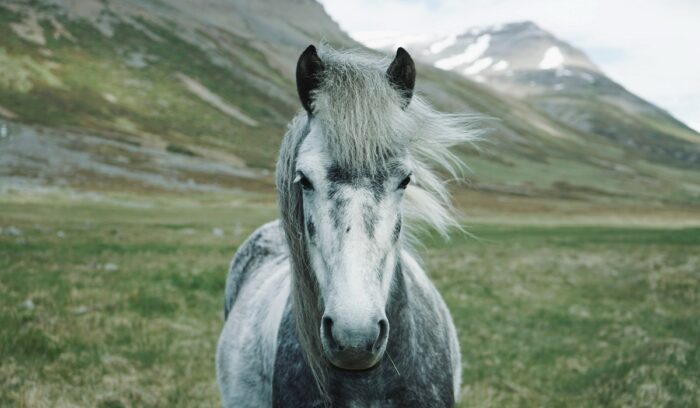
image for article on Botai horse domestication

Botai people show earliest evidence of horse domestication on the Central Asian steppe

Botai horse domestication began around 3500 B.C.E. on the grasslands of what is now northern Kazakhstan, pushing the known start of horse husbandry back nearly a thousand years. Archaeologists found bit wear on horse teeth, traces of mare’s milk in pottery, and villages of more than 160 pit-houses. It marks one of the earliest glimpses of a partnership that would reshape human life.

jesse schoff unsplash, for article on chicken domestication

Humans domesticate the chicken in Southeast Asia, changing food forever

Chicken domestication began roughly 8,000 years ago in the forests of Southeast Asia, where early farmers transformed the skittish red junglefowl into a steady companion. The bird spread outward with traders and sailors, reaching the Indus Valley by 2000 B.C.E. and crossing the Pacific with Polynesian voyagers. Today, over 33 billion chickens live alongside us — a quiet thread running through human history.

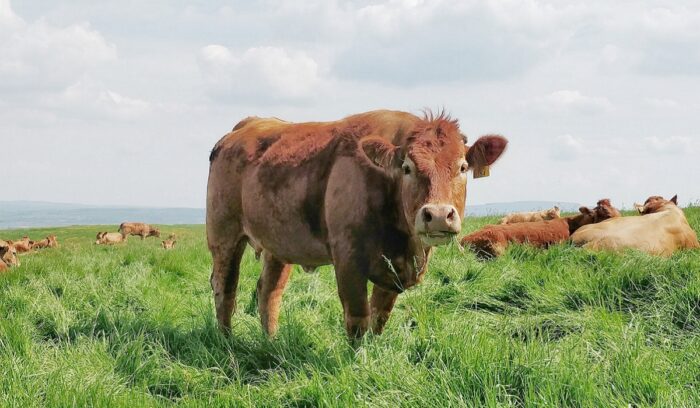
Cow, for article on cattle domestication

Cattle domestication begins in the Taurus Mountains of Turkey

Cattle domestication began roughly 10,500 years ago in the Taurus Mountains of what is now southeastern Turkey, where Neolithic communities gradually transformed the massive wild aurochs into a calmer, smaller animal. Archaeological sites like Çayönü Tepesi show the shift unfolding generation by generation — a patient reshaping of one species that would travel with farmers across continents.

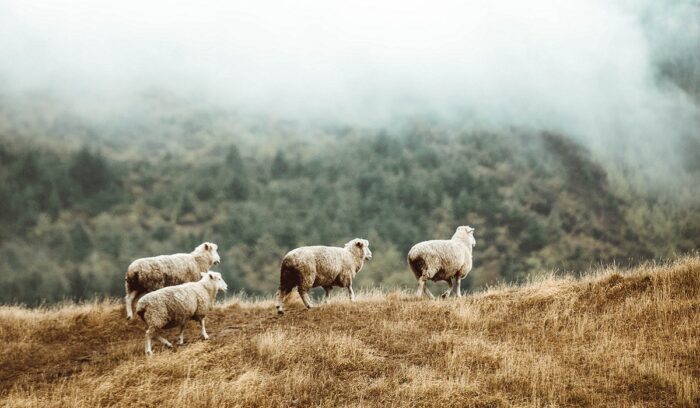
Sheep, for article on sheep domestication

Humans domesticate the sheep in ancient Mesopotamia

Sheep domestication began around 11,000 B.C.E. in the hills of ancient Mesopotamia, when people first tamed the wild mouflon for meat, milk, and hides. Thousands of years later, around 6,000 B.C.E., selective breeding produced woolly fleece — a renewable resource that helped settle colder lands and seeded one of humanity’s oldest industries.