
California passes sweeping law to protect online privacy
The new law grants consumers the right to know what information companies are collecting about them, why they are collecting that data and with whom they are sharing it.
California is home to some of the nation’s most ambitious climate, housing, and social policy experiments. This archive tracks the progress stories and milestones emerging from the state — from clean energy breakthroughs to community health wins.

The new law grants consumers the right to know what information companies are collecting about them, why they are collecting that data and with whom they are sharing it.
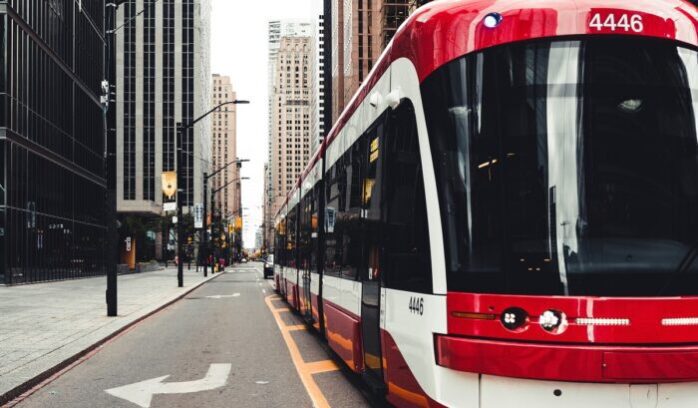
“What we’re seeing is one of the largest and most well-thought-out approaches to advancing electrification of vehicles,” says Adrian Martinez, an attorney for Earthjustice.

Disney says that marks the largest increase to starting wages it’s ever offered.
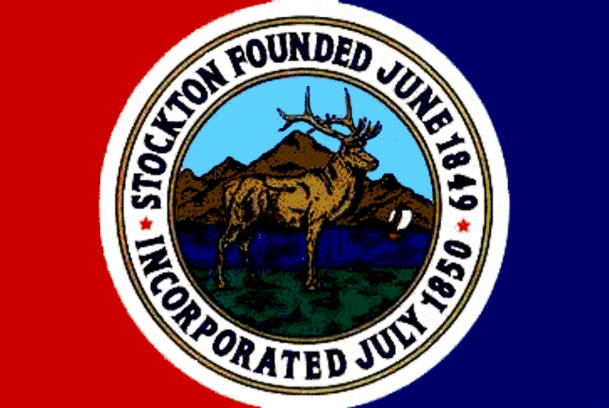
Stockton, Calif., hopes to become an exhibition ground for fighting poverty with a simple yet unorthodox experiment: giving $500 a month in donated cash to perhaps 100 local families, no strings attached.

Within a year of eight coal- and oil-fired power plant retirements, the rate of preterm births in mothers living close by dropped, finds new study on air pollution.
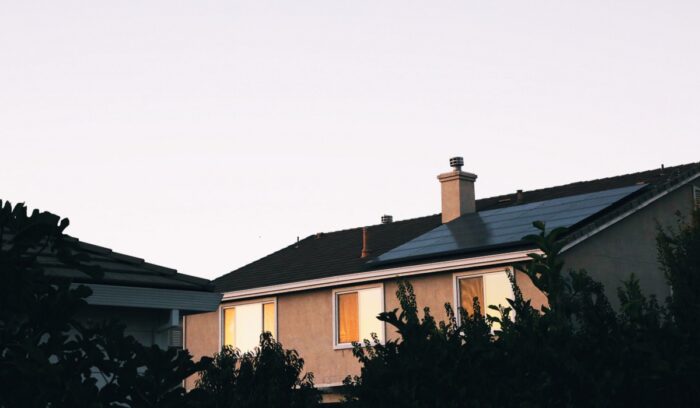
Most new units built after Jan. 1, 2020, will be required to include solar systems as part of the standards adopted by the California Energy Commission.
California privacy advocates say it is “more critical than ever that the amount of surveillance and personal data collected be the bare minimum, to ensure the safety of our community from unlawful and inhumane targeting.”
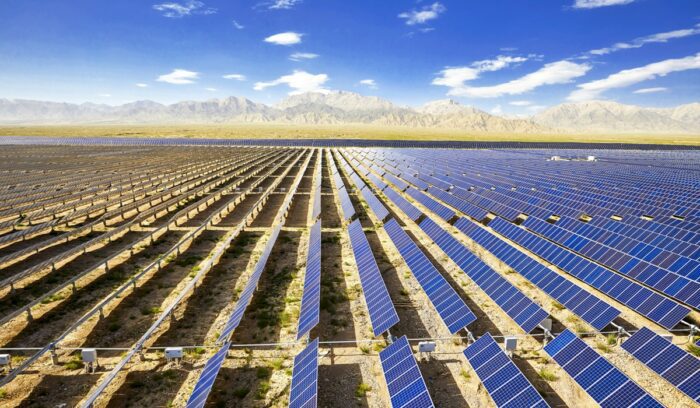
For the first time in the state’s history utility-scale solar generation surpassed 10.5 gigawatts. Then two days later, that record was broken when 10,539 megawatts were generated.
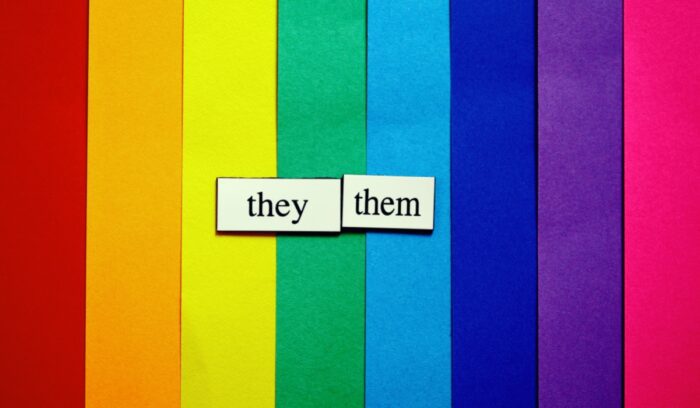
SB 179 helps people of all gender identities be their authentic selves.

On Sunday, Governor Jerry Brown signed into law Senate Bill No. 258, otherwise known as the Cleaning Products Right to Know Act.