
The Songhai Empire rises to power in the western Sahel
At its peak, it was one of the largest states in African history. The state is known by its historiographical name, derived from its leading ethnic group and ruling elite, the Songhai.

At its peak, it was one of the largest states in African history. The state is known by its historiographical name, derived from its leading ethnic group and ruling elite, the Songhai.

The Cap-Vert peninsula was settled no later than the 15th century, by the Lebou people, an aquacultural ethnic group related to the neighboring Wolof and Serer. Dakar is now the capital and largest city of Senegal.

The Kingdom of Kongo was a kingdom located in central Africa in present-day northern Angola, the western portion of the Democratic Republic of the Congo, the Republic of the Congo as well as the southernmost part of Gabon. From c. 1390 to 1859 it was mostly an independent state.

The Jolof Empire, also known as the Wolof or Wollof Empire, was a West African state that ruled parts of Senegal from 1350 to 1549.

In the 12th century, waves of Bantu-speaking immigrants arrived during the Bantu expansion. Among them, the Tonga people (also called Ba-Tonga, “Ba-” meaning “men”) were the first to settle in Zambia and are believed to have come from the east near the “big sea”.
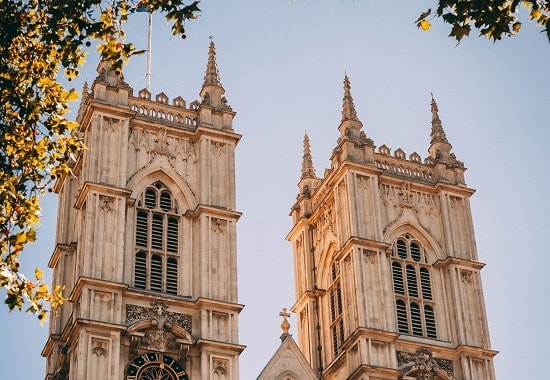
The empire began as a small Mandinka kingdom at the upper reaches of the Niger River, centred around the town of Niani (the empire’s namesake in Manding).
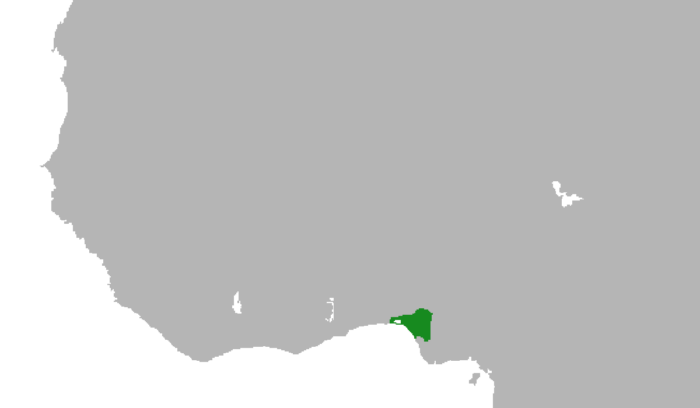
The Benin Kingdom was “one of the oldest and most highly developed states in the coastal hinterland of West Africa, dating perhaps to the eleventh century CE”,[2] until it was annexed by the British Empire in 1897.
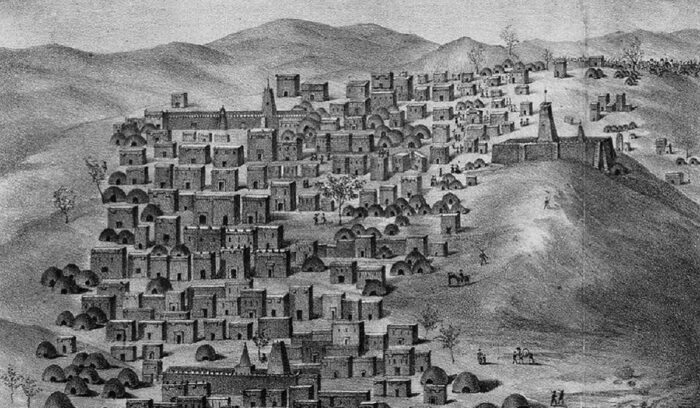
Timbuktu started out as a seasonal settlement and became a permanent settlement early in the 12th century. After a shift in trading routes, Timbuktu flourished from the trade in salt, gold, ivory, and slaves.

Great Ardra, also known by numerous variant spellings, was a coastal West African kingdom in what is now southern Benin. It was named for its capital, the modern Allada.

Dagomba are one of the ethnic groups with a sophisticated oral tradition. Most of their history, until quite recently, has been passed down via oral tradition with drummers as professional griots.