Sub-Saharan Africa

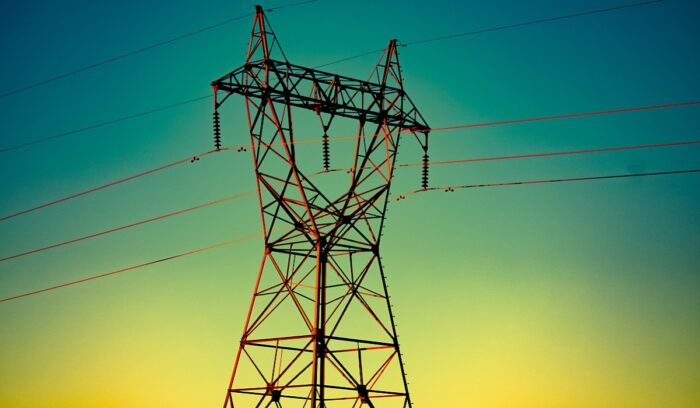
Powerlines

Kenya has more than doubled access to electricity since 2013

Kenya is progressing toward universal electricity access by 2030, bolstered by strong policy implementation and clean energy technologies, according to the International Energy Agency. Kenya has seen an increase in access, from 37% in 2013 to 79% in 2023, supporting poverty reduction, education, healthcare, and economic development. The Last Mile Connectivity Project has been instrumental in connecting nine million rural inhabitants to the grid. By the end of this year, the project aims to connect an additional 280,000 households nationwide.

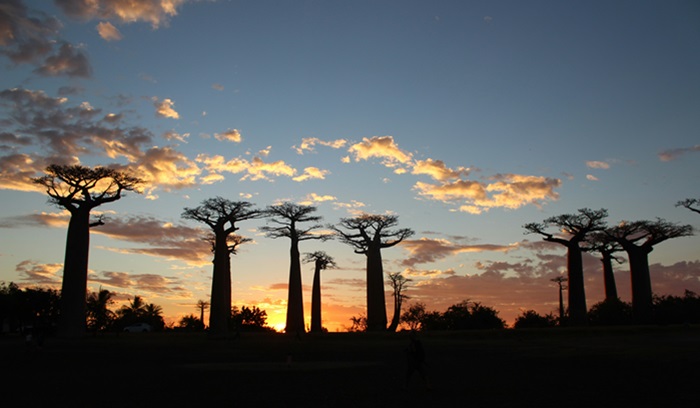
Silhouette of baobob trees

Seeds of 19 African tree species added to Svalbard Global Seed Vault

Norway is home to the Svalbard Global Seed Vault, a vast collection intended to secure the world’s vital genetic heritage against any eventuality. The vault currently holds duplicates of 1.3 million seed samples from nearly every corner of the world. Recently, the World Agroforestry Center deposited new seeds to the vault representing tree species of special value to communities across Africa. The 19 species represented included 13 native to Africa and six others that have found a place in the economies and ecologies of the continent.

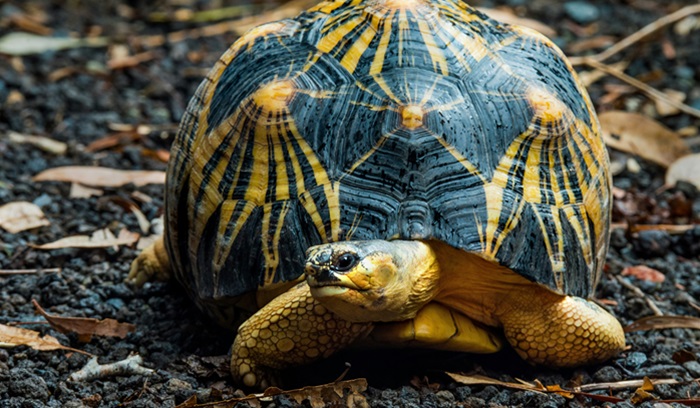
Radiated tortoise

Wave of arrests as Madagascar shuts down tortoise trafficking network

A crackdown on the illegal trade in Malagasy tortoises has led to a series of recent arrests. Following the arrest of a Tanzanian national with 800 tortoises in December 2024, officials said a major investigation had uncovered a major international trafficking network that led to the arrests of more than 20 people in Madagascar and Tanzania. Wildlife trade monitoring watchdog TRAFFIC says more than 30,000 trafficked radiated tortoises were seized between 2000 and 2021.

Power lines

African nations commit to electricity for 300 million people by 2030

The heads of 30 African nations have endorsed a plan to provide “reliable, affordable and sustainable” electricity to 300 million people who currently do not have regular access across the continent over the next five years. The plan is expected not only to boost renewable energy and economic opportunity around the continent, but also support new jobs. The World Bank has committed $30 billion to the plan, while the AfDB pledged $10 billion. The Asia Infrastructure Investment Bank pledged $1 billion in financing, while the Islamic Development Bank committed $4.65 billion.

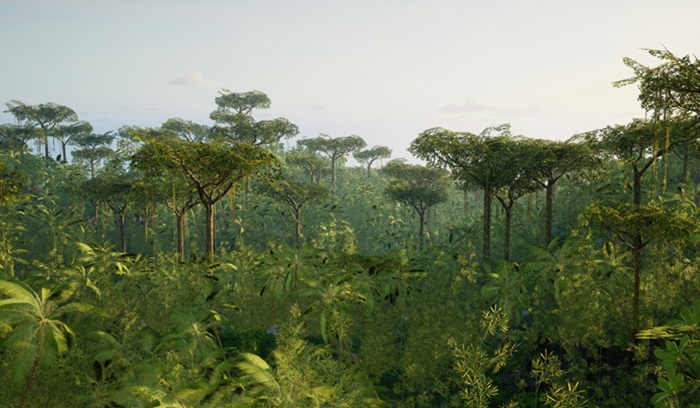
Rainforest canopy

The Democratic Republic of Congo to create the Earth’s largest protected tropical forest reserve

An area covering the size of France will now be protected through partnerships with communities that integrates conservation and restoration with green economic development. This forms the world’s largest protected forest area and consists of a network of economic hubs built on sustainable agricultural production and powered by renewable energy derived from the hydropower potential of the Congo River. The initiative aims to create 500,000 new jobs and transfer a million tons of food annually to Kinshasa, Africa’s largest city.

Prison cell

Zimbabwe abolishes the death penalty

Zimbabwe’s President Emmerson Mnangagwa has approved a law that abolishes the death penalty in the southern African state with immediate effect. Mnangagwa’s move comes after Zimbabwe’s parliament voted earlier in December to scrap the death penalty. Zimbabwe last carried out an execution by hanging in 2005, but its courts continued to hand down the death sentence for serious crimes like murder.

Namibian President Netumbo Nandi-Ndaitwah

Namibia elects Netumbo Nandi-Ndaitwah as its first female president

Nandi-Ndaitwah was a member of the underground independence movement in Namibia in the 1970s. She was promoted from foreign minister to vice president in February after President Hage Geingob died while in office. She was widely viewed as a steady hand, a seasoned diplomat not tainted by the corruption scandals that had engulfed some other members of the ruling Swapo party.

A doctor is about to vaccinate a child

Sudan launches first malaria vaccine in landmark child health initiative

Malaria remains a leading cause of childhood mortality in Sudan, which has one of the highest malaria rates in the region. The disease claimed an estimated 7,900 lives in Sudan in 2023, though the actual toll may be higher due to ongoing conflict between rival militaries. The launch follows the arrival of the first consignment of 186,000 doses to Sudan in October and the campaign will begin across 15 health facilities in Gedaref and the Blue Nile states, benefitting more than 148,000 children under 12 months-old. In 2025 and 2026, the vaccine will be introduced in a further 129 localities.

Good news for wildlife conservation

Republic of Congo to catalyze investment in high-integrity forests

Conservation authorities in the Republic of Congo have launched a plan to invest in the protection of “high-integrity forests” in Nouabalé-Ndoki National Park, treating these ecosystems as an asset class. The new initiative aims to fill a funding gap to protect the ROC’s forests by selling high-integrity forest (HIFOR) units, defined as representing “one hectare of healthy, high integrity tropical forest actively conserved within a large landscape for decades.”

Virus up close

‘Gamechanger’ HIV prevention drug to be made available cheaply in 120 countries

Gilead Sciences says it has signed agreements with six manufacturers to make and sell generic lenacapavir in 120 “high-incidence, resource-limited” countries. Lenacapavir, given as a twice-yearly injection, has shown strong results for HIV prevention. It stopped infection in a trial involving girls and women in South Africa and Uganda, and offered almost complete protection in a second trial that mainly involved men across Argentina, Brazil, Mexico, Peru, South Africa, Thailand, and the U.S.