South Asia

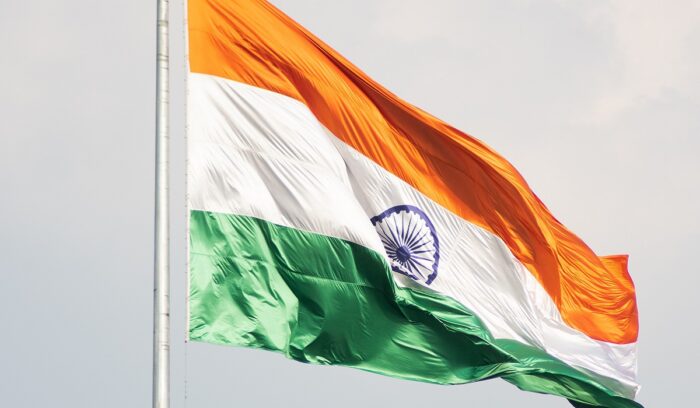
Indian flag

India has treated 6.8 million cancer patients for free in seven years

India’s Health Minister just reported that a national insurance program has treated an astonishing 6.8 million people for cancer, three-quarters of whom live in rural areas. The cost of the work amounted to $1.5 billion USD. Managed and paid for by the country’s flagship health insurance program called Ayushman Bharat, patients could get financial assistance to fight breast, oral, cervical, and lung cancers, as well as metastatic melanoma, chronic myeloid leukemia, and Burkitt’s lymphoma.

Flower floating on the water with lilies

New Delhi transforms degraded lands into biodiversity parks

New Delhi, India’s capital city, struggles with numerous environmental challenges, including extremely poor air quality and heat waves. In response, since 2004, the city has created seven large “biodiversity parks” on previously degraded land. The Aravalli Biodiversity Park, a 692-acre park located near an upscale neighborhood, is now a thriving forest of native plants. The Neela Hauz Biodiversity Park is home to a lake that was once a dumping ground for untreated sewage. All seven parks were restored by the Delhi Development Authority and the University of Delhi and together span 2,026 acres.

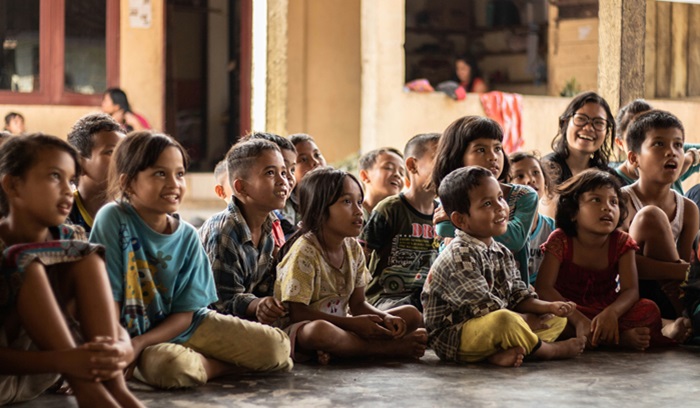
Indonesian children smiling

Nine Asian nations have cut child mortality by more than half since 2000

Child mortality in Asia has fallen sharply, especially in Afghanistan, Bangladesh, Cambodia, China, India, Indonesia, Laos, Myanmar, and Nepal, which have all seen a decline of at least 50% since 2000. This progress amounts to millions more children surviving through the crucial early years of life. Particularly noteworthy, India’s child mortality fell from 9% to 3% and China’s from 4% to just 1%. These huge strides have been made possible by improved nutrition, clean water, sanitation, vaccinations, and poverty reduction.

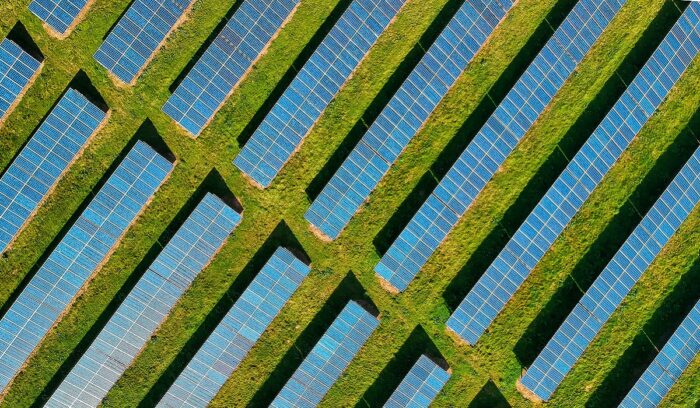
Solar farm from above

India adds record 24.5 GW of solar in 2024

India added 24.5 GW of solar and 3.4 GW of wind capacity in 2024, doubling solar installations and increasing wind capacity by 21% from 2023, according to JMK Research & Analytics. These additions brought India’s total renewable energy capacity to 209.44 GW, with solar accounting for 47%. Utility-scale additions nearly tripled from 2023, while rooftop and off-grid installations rose 53% and 197%, respectively, driven by the PM Surya Ghar: Muft Bijli Yojana program, which spurred 700,000 rooftop installations in 10 months.

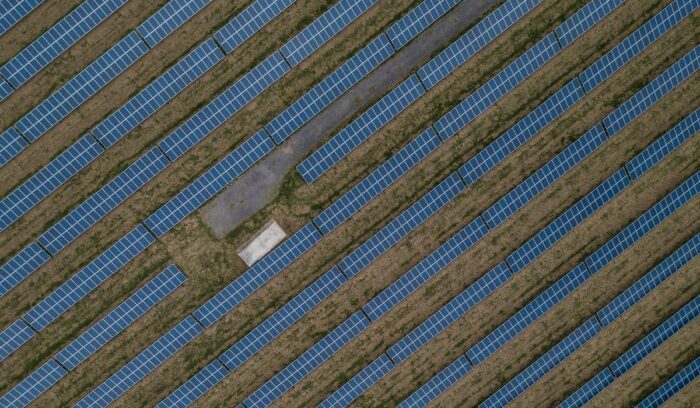
A top view of solar farm

Solar power booms in Pakistan

Sky-high power prices are fueling a massive solar buildout in Pakistan. Solar is gaining traction on farms and factories after the government cut electricity subsidies, causing prices to spike. In many places, electric bills cost more than rent, and blackouts are common. Panels purchased in 2024 amount to 17 GW of capacity, enough to raise Pakistan’s total power capacity by a third.

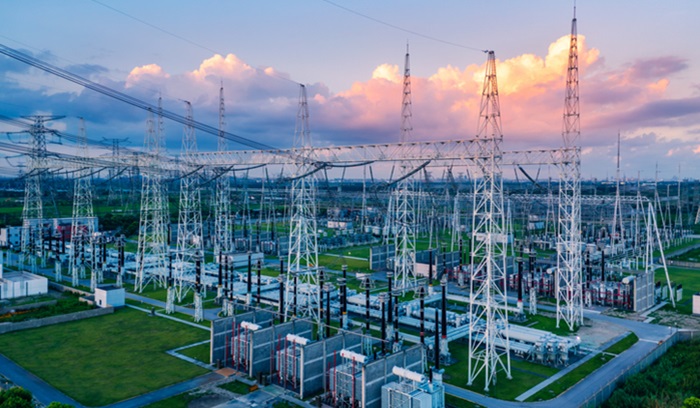
Aerial view of a high voltage substation.

India unveils whopping $109 billion transmission plan for renewable energy

Transmission constraints have emerged as a key obstacle for the growth of renewable energy the world over, with a spurt in demand causing delayed deliveries and surging prices of grid equipment. Now, India’s power ministry has unveiled a plan to revamp its power grid to accommodate a large renewable expansion through 2032. The project, estimated to cost 9.15 trillion rupees ($109 billion), will help integrate 500 gigawatts of renewable power by the end of the decade, a more than two-fold increase from now.

Indian flag

India eliminates trachoma as a public health problem

The World Health Organization has validated the world’s most populous country as having eliminated trachoma as a public health problem. India joins Nepal and Myanmar in the WHO South-East Asia Region and 19 other countries globally that have previously achieved this feat. Though trachoma is preventable, blindness from trachoma is extremely difficult to reverse. Trachoma continues to be a public health problem in 39 countries and is responsible for the blindness of about 1.9 million people.

Landfill. A lot of plastic garbage. Environmental problems.

Bangladesh implements strong measures to eliminate single-use plastic

Data shows Bangladesh generates around 87,000 tons of single-use plastics annually, of which 96% are directly discarded as garbage. Lack of awareness has led to the collection of plastic waste all over the cities, especially near rivers or lakes, where they mix with water and soil, affecting ecosystems and food chains. The new country’s new government has now decided to implement an existing, but unenforced 2001 law by banning all single-use plastics.

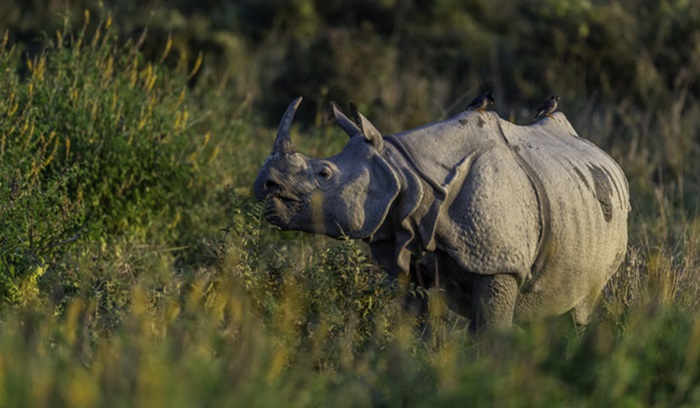
Greater one-horned rhino in grassland

India’s state of Assam sees 86% drop in poaching and five-fold increase in rhinos since 2016

By expanding protected areas and bolstering ranger patrols, the steady growth in the number of rhinos, seen since the late 60s, has now accelerated to the point where 3,000 horns grace the Assam savannah. “Rhinos are synonymous with the identity of Assam. They are our pride and the crown jewel of our biodiversity. Ever since we assumed office, we have taken various initiatives to protect the prized species, expand its habitat and ensure its safety,” Assam state’s Chief Minister Himanta Biswa Sarma wrote.

Nepal river valley with mountains in background

The Supreme Court of Nepal extends no-construction zones along major rivers in Kathmandu Valley

The ruling introduces an additional 66-foot buffer zone, which would impact thousands of households, raising concerns about property rights and potential displacement. While environmental campaigners have welcomed the court’s decision as a crucial step toward saving the rivers of the valley, where encroachment and dumping of untreated solid and liquid waste is rampant, the federal government, under pressure from the local people, has filed for a review of the decision.