
Chile to build massive 450 MW solar thermal power plant
This week, the Chilean government gave the green light to development of SolarReserve’s 450 megawatt (MW) Tamarugal concentrated solar power project.
This archive covers progress stories and milestones from across South America, spanning countries from Brazil and Colombia to Argentina and Peru. Expect reporting on conservation wins, public health advances, economic shifts, and community-led efforts shaping life across the continent.

This week, the Chilean government gave the green light to development of SolarReserve’s 450 megawatt (MW) Tamarugal concentrated solar power project.

Lesotho decriminalized male same-sex activity in 2012, lifting a colonial-era common law offense that had long shadowed gay and bisexual men in the small southern African kingdom. A year later, Maseru held its first pride march, with police escorting hundreds through the streets. The reform echoed Basotho traditions of same-sex partnership that predated colonial rule.

The Amazon Fund launched in 2009, when Brazil built a public finance mechanism that paid for verified reductions in rainforest loss rather than promises. Managed by the national development bank and backed early by Norway, it has since supported more than 115 projects across the Amazon Biome. It became an influential model for paying to keep forests standing.

UNASUR was born on May 23, 2008, when all 12 South American nations gathered in Brasília to sign a single treaty binding a continent of more than 400 million people into one union. For a region long defined by rivalry and isolation, it was a rare written promise that their futures would be shaped together.

Paraguay’s 1992 constitution marked a real break from the country’s long history of strongman rule, ratified just three years after dictator Alfredo Stroessner was ousted following 35 years in power. Drafted by a freely elected assembly, it banned presidential re-election and recognized Guaraní as an official language. More than three decades on, it still holds.

Brazil’s return to civilian rule began on January 15, 1985, when an electoral college in Brasília chose Tancredo Neves as president, ending 21 years of military government. Neves fell ill before his inauguration and died that April, never taking office. Still, the opening he helped negotiate led to the 1988 “Citizen Constitution” — a framework that has now held for four decades.

Jaú National Park was created by government decree in September 1980, drawing a protective boundary around 2.3 million hectares of Amazon rainforest in Brazil — an area roughly the size of Slovenia. The park safeguards an entire blackwater river basin, jaguars and giant otters, and one of Earth’s most intact tropical ecosystems.
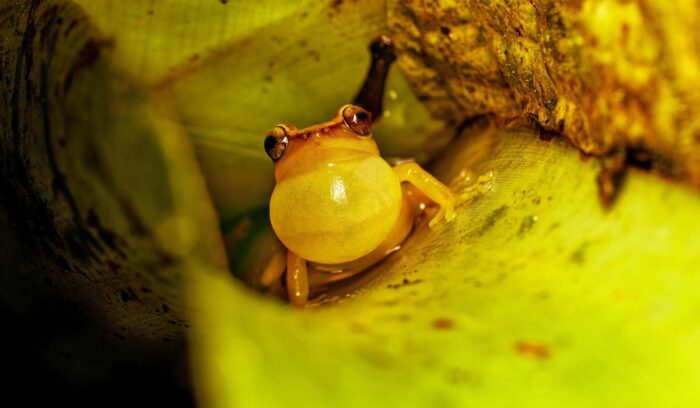
Yasuní National Park was established in 1979, when Ecuador drew a boundary around roughly 10,000 square kilometers of Amazonian rainforest where the equator, Andes, and Amazon converge. A single hectare there holds more insect species than all of North America. The park remains home to the Huaorani and two uncontacted peoples who have lived there for generations.

Guyana independence arrived on 26 May 1966, when more than 150 years of British rule gave way to a new nation on South America’s northern coast. The name itself, drawn from an Indigenous language, means “land of many waters” — a reminder that the territory was home to nine Indigenous peoples long before any European map existed.
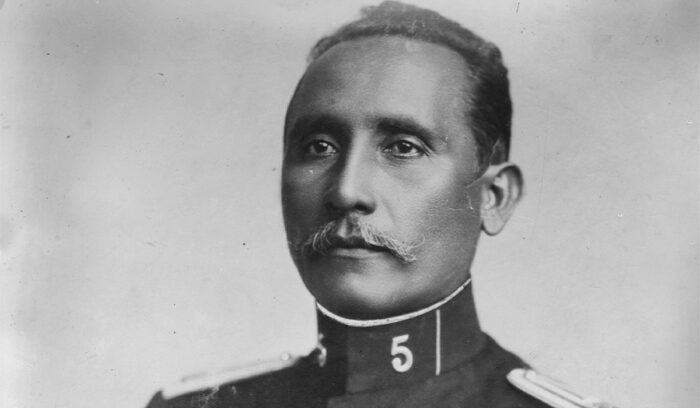
Indigenous protection in Brazil took its first formal shape on June 20, 1910, when the government created the Serviço de Proteção aos Índios, the Americas’ first federal agency tasked with shielding Indigenous peoples from settler violence. Its leader, Cândido Rondon, instructed agents entering uncontacted territory unarmed: “Die if you must, but never kill.”