
McDonald’s to trial McPlant plant-based burger in the U.S.
McDonald’s is looking to expand its menu to include purely plant-based options, and began trialing its first such offering, the PLT, in Europe and Canada in 2019.
This archive covers progress stories from North and Central America, spanning the U.S., Canada, Mexico, and the nations of Central America. Readers will find reporting on health, environment, community resilience, and policy advances across the region.

McDonald’s is looking to expand its menu to include purely plant-based options, and began trialing its first such offering, the PLT, in Europe and Canada in 2019.

“Race-norming” made it harder for black players to prove they suffered from injuries linked to their careers. The draft agreement means thousands of retirees may qualify for compensation.

In March, Levine became not only the first openly transgender person approved by the Senate but also the highest-ranking #trans federal official in the country.
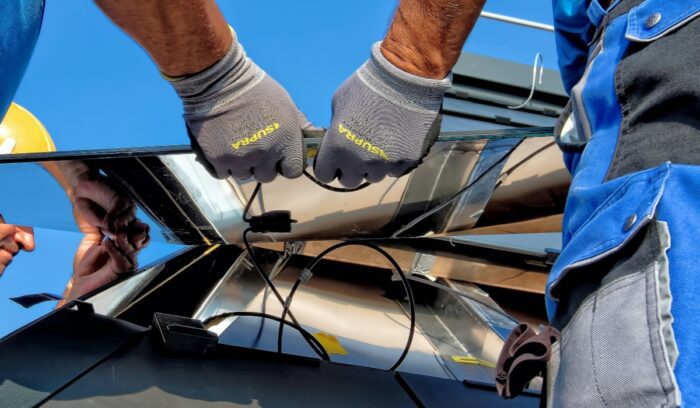
If the Biden Administration reaches its targets, it would result in $1 billion in energy savings. Further, clean energy would create jobs while providing cheaper and sustainable energy for Americans.
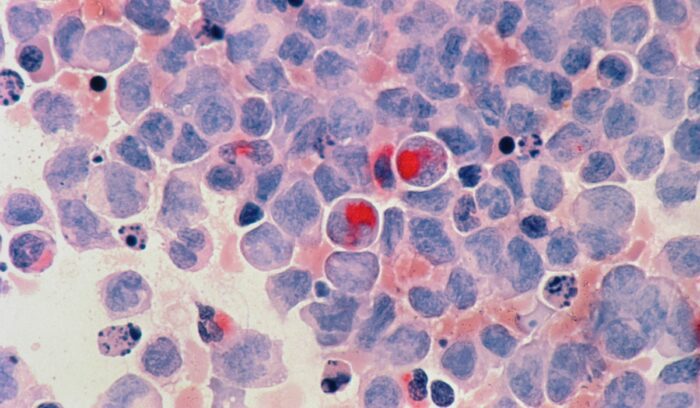
A handful of states including New Jersey, Vermont, Michigan, and New York, have already moved to regulate the chemicals on their own while the EU has banned many of the chemicals outright.

The seven lease sales are part of Biden’s plan to generate 30 gigawatts of offshore wind energy in the next nine years and could create up to 77,000 jobs.

The move is being described as a “first of its kind victory,” as Microsoft becomes the only major company to bow to the whims of a shareholder resolution regarding the “right-to-repair.”

In a statement, Google said it will restrain advertisement revenue for creators who refer to climate change as a hoax.

A gas-powered leaf blower for just one hour produces the same amount of emissions as a drive from Los Angeles to Denver.

The decision to restore the Bears Ears and Grand Staircase-Escalante monuments will protect the sites’ stunning physical beauty and fossil record, as well as substantial Native American history.